Oil painting styles explained: realism to abstract
Two paintings can hang on the same wall and look as though they came from different centuries. That is style doing its work. Before size or frame, style decides the mood of a room — whether a canvas settles into the background or becomes the thing everyone notices. This guide explains the main styles we paint by hand in Dafen, in plain language.
Realism
Realism aims to make the painted surface read like the thing itself: a face, a bowl, a street in afternoon light. It is the most demanding style to paint well because the eye forgives very little. Look at the edges — in good realist work, some edges are sharp and others dissolve into shadow, exactly as they do in life.
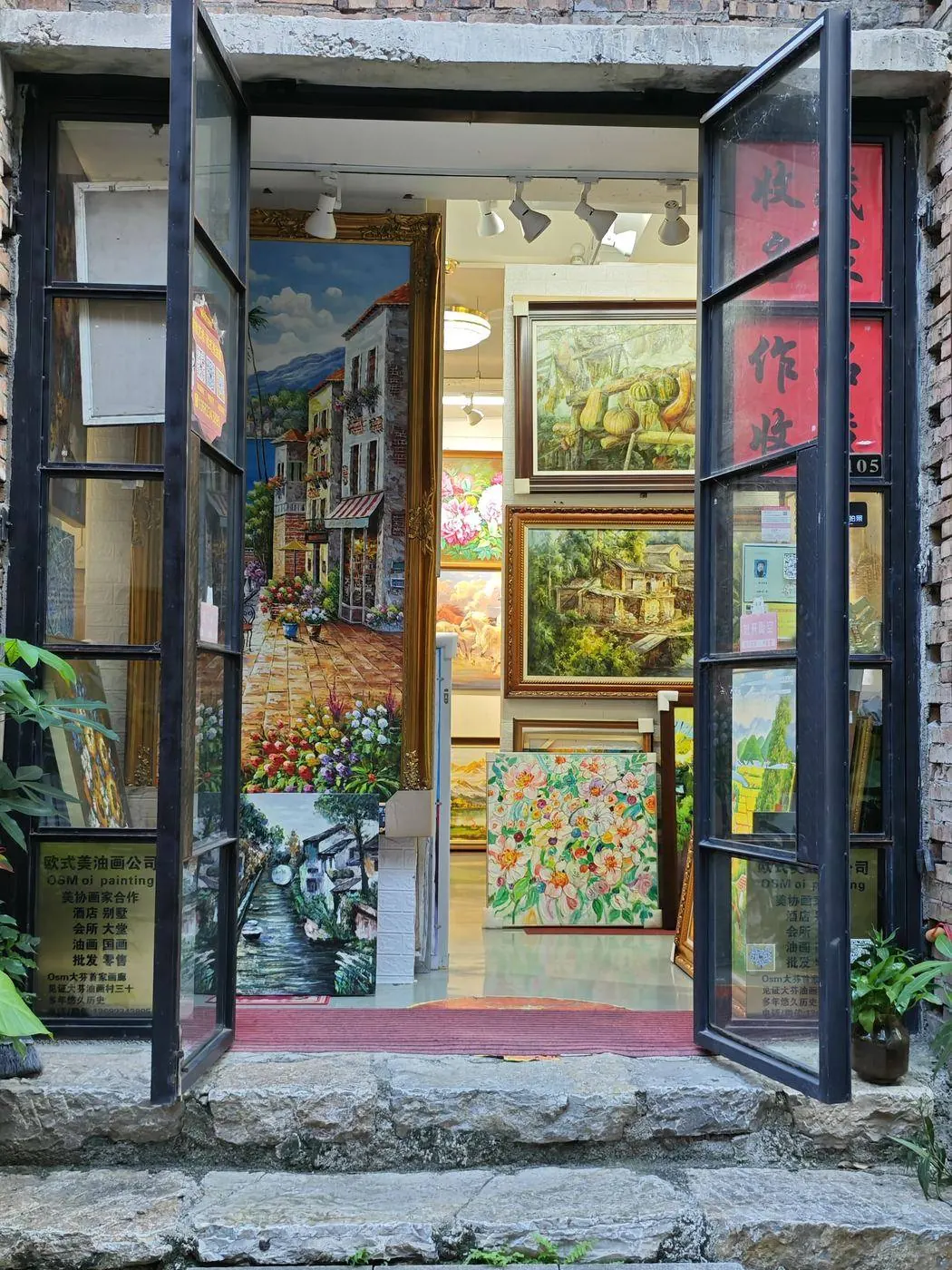
Impressionism
Impressionism trades precise edges for the feeling of light. Colour is laid down in separate strokes that mix in the eye rather than on the palette — Monet's broken colour is the best-known example. Up close the canvas looks like marks; step back and it becomes a scene. That is why it hangs so well in a room you actually move around in.
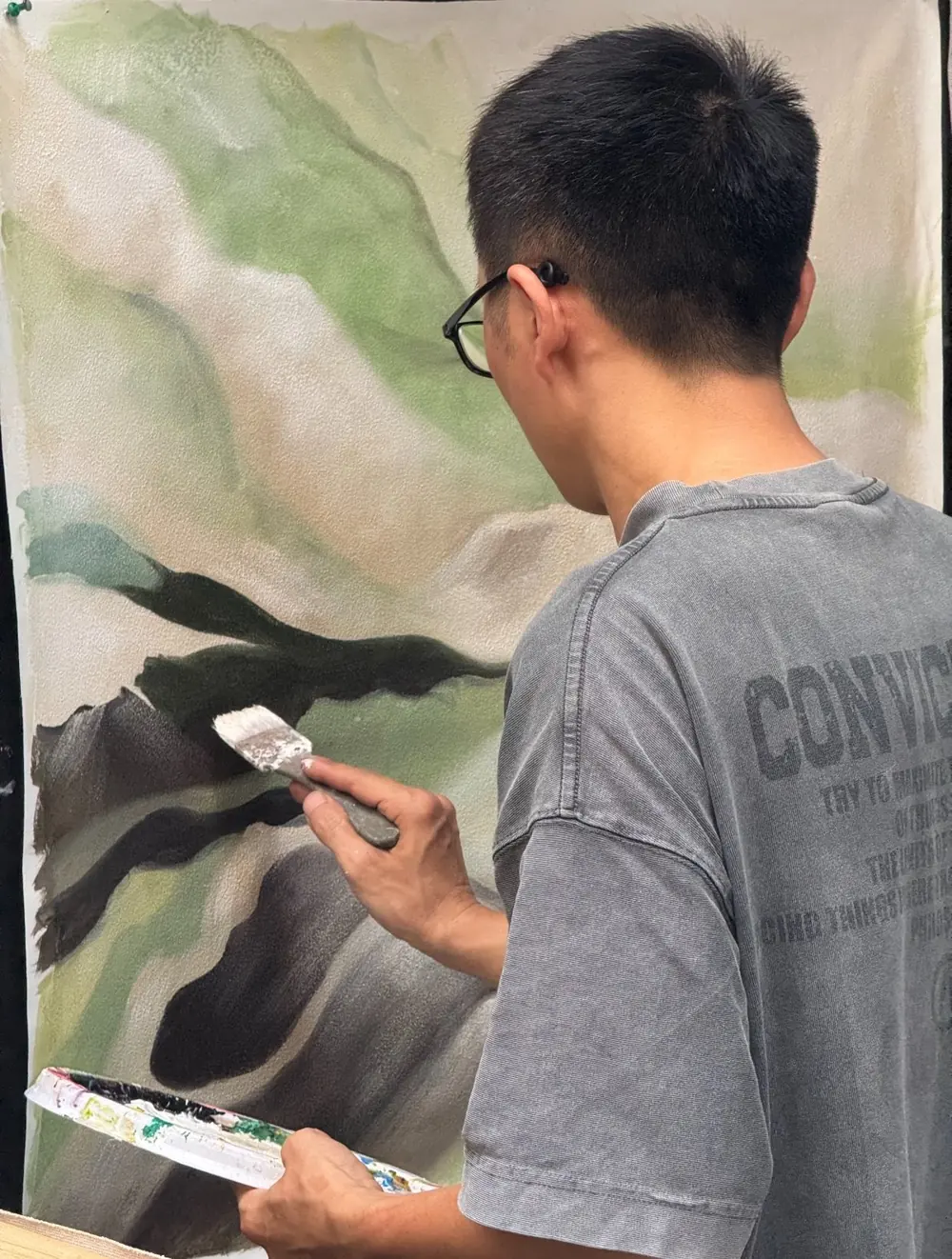
Abstract
Abstract painting lets colour, shape and texture carry the meaning. It is the easiest style to fit to a modern interior because it can be made to a specific palette. Texture matters here: a palette knife leaves ridges that throw small shadows, so the surface changes as the light in the room changes through the day.
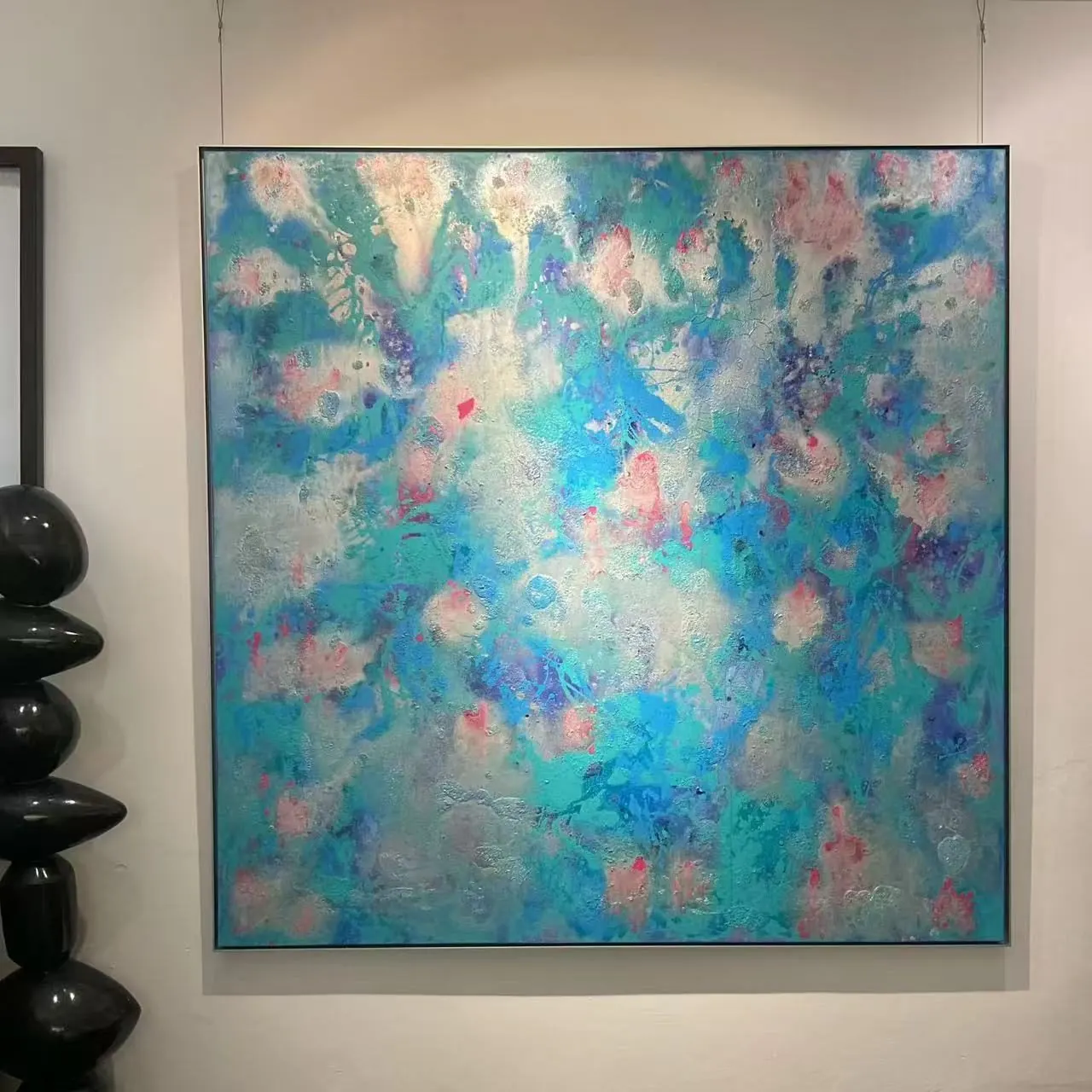
Contemporary and decorative
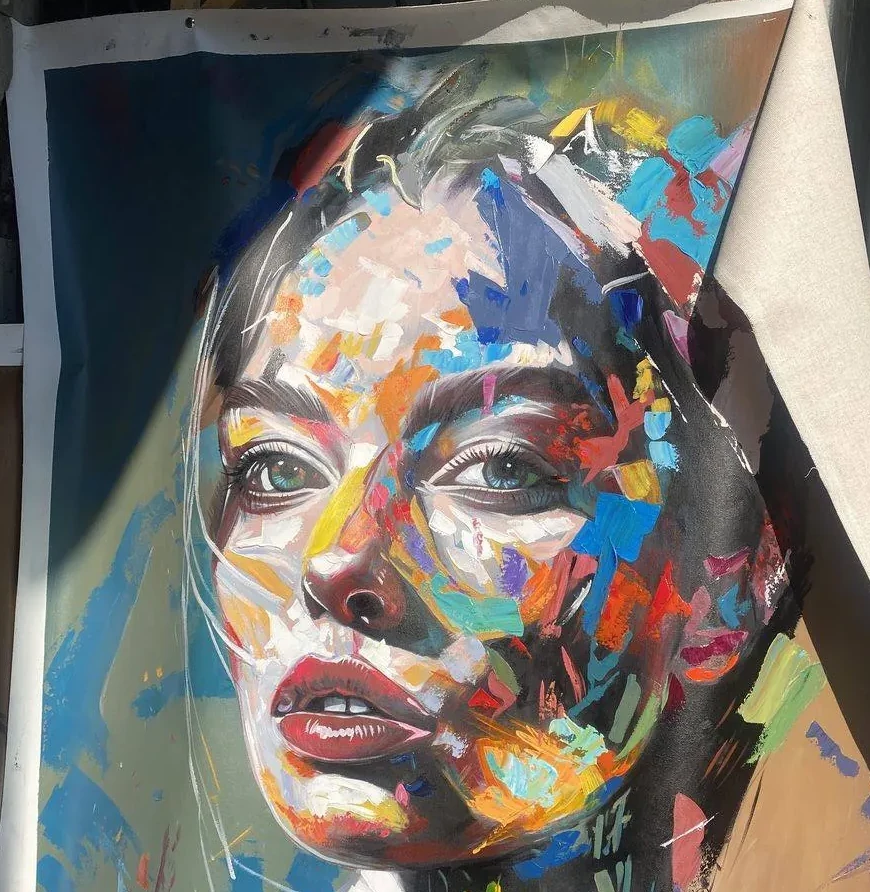
Not everything needs an art-historical label. Contemporary decorative work is made to please the eye and suit a space — a soft figure, a city at night, a calm field of colour. It is a popular choice for hotels, restaurants and offices, where the painting has to work with a strong interior scheme rather than against it.
Classical reproduction
The style the village is most associated with is the hand-painted reproduction of public-domain masters — a Van Gogh sunflower, a Monet water lily, a Turner sky. These are painted in the original artist's manner rather than in a generic house style, and they are sold honestly as reproductions. They are the most straightforward style to order because the reference is well known.
How to choose a style for your room
A simple rule: the busier the room, the quieter the painting. A patterned sofa and bold cushions sit better with a soft impressionist or abstract field; a bare, neutral room can carry a detailed realist piece or a strong classical reproduction. Light matters too — a textured abstract rewards a wall with a lamp grazing it, while a realist portrait needs even light to read properly.
Still unsure? Send a photo of the wall and tell us the colours nearby. We will suggest a style and a size that works, then quote exactly.
Tell us your room and your preferred style — we reply with a quote and options.
💬 Ask on WhatsAppCommon questions
- What is the difference between realism and impressionism?
- Realism aims for precise edges and lifelike detail; impressionism uses separate strokes of colour that blend in the eye, prioritising light and feeling over sharp detail.
- Is abstract painting hand-painted?
- Yes. Our abstract canvases are painted in oil by hand, with real palette-knife texture and layered colour — not printed.
- Which style suits a modern living room?
- Abstract and contemporary styles usually fit modern interiors most easily, especially when matched to the room's palette. A quiet impressionist landscape also works well.
- Can you paint in the style of a famous artist?
- We can paint hand-painted reproductions of public-domain works in the original artist's manner. For living artists we do not copy a signature style.
- Does style affect the price?
- Detail affects painting time, so a dense realist piece may cost more than a simple abstract of the same size. Send the style and size for an exact quote.
- Can you match my room colours?
- Yes. Abstract and contemporary pieces in particular can be painted to a palette you choose. Send a photo of the wall and the surrounding colours.
- What is impasto?
- Impasto is thick oil paint laid on with a brush or palette knife so it stands proud of the canvas. It creates real texture and small shadows that change with the light.
- Can I see the painting before it ships?
- Yes. We photograph the finished painting and send the images for your approval before packing and shipping.