Two curves from zero: Shenzhen, Dafen, and the move from copies to originals
There is a comparison that comes up often in Shenzhen this week, with APEC in the city. Shenzhen was a small fishing settlement not long ago; now it is spoken of as a city of the future. People repeat that contrast because it is striking.
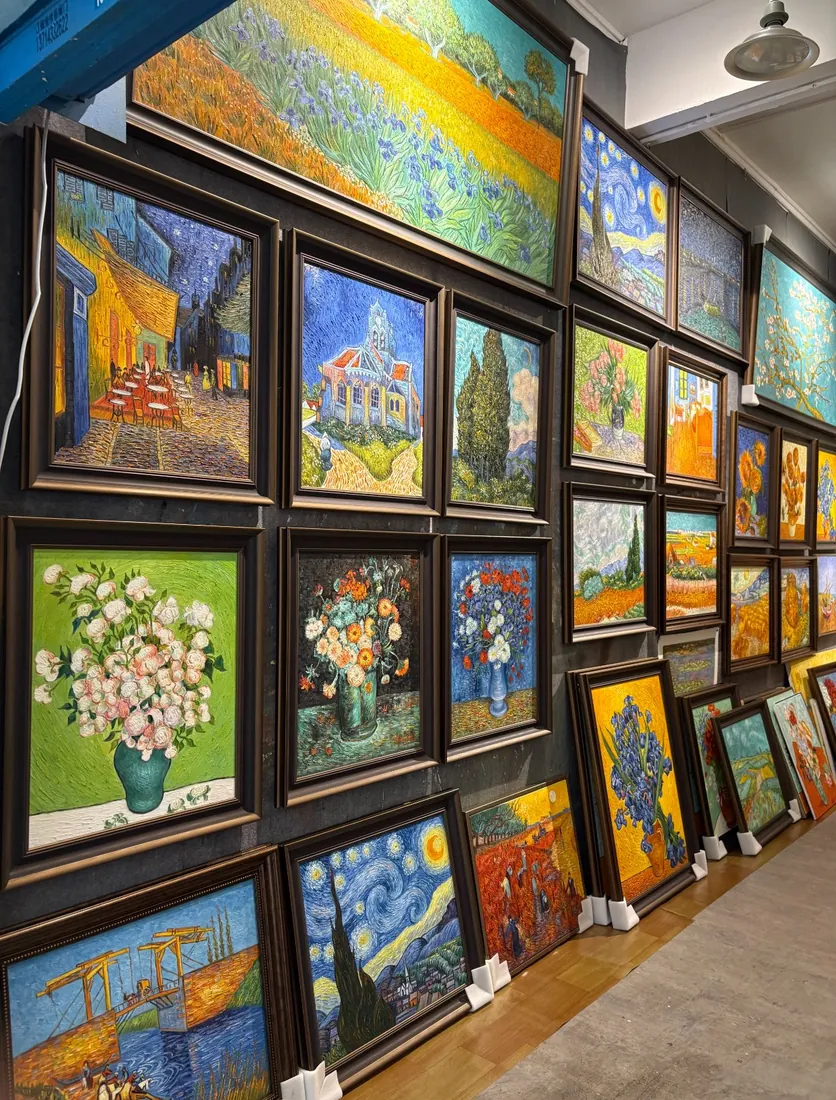
We work in a village inside that city, and we hear a quieter version of the same story. Dafen was known, for good reason, as a place that reproduced masterpieces by the thousand. Walk in now and you will still see those reproductions. You will also see things that could not be described as copies at all. This is an attempt to set the two curves side by side — not to claim they are the same, only to say that both are still moving.
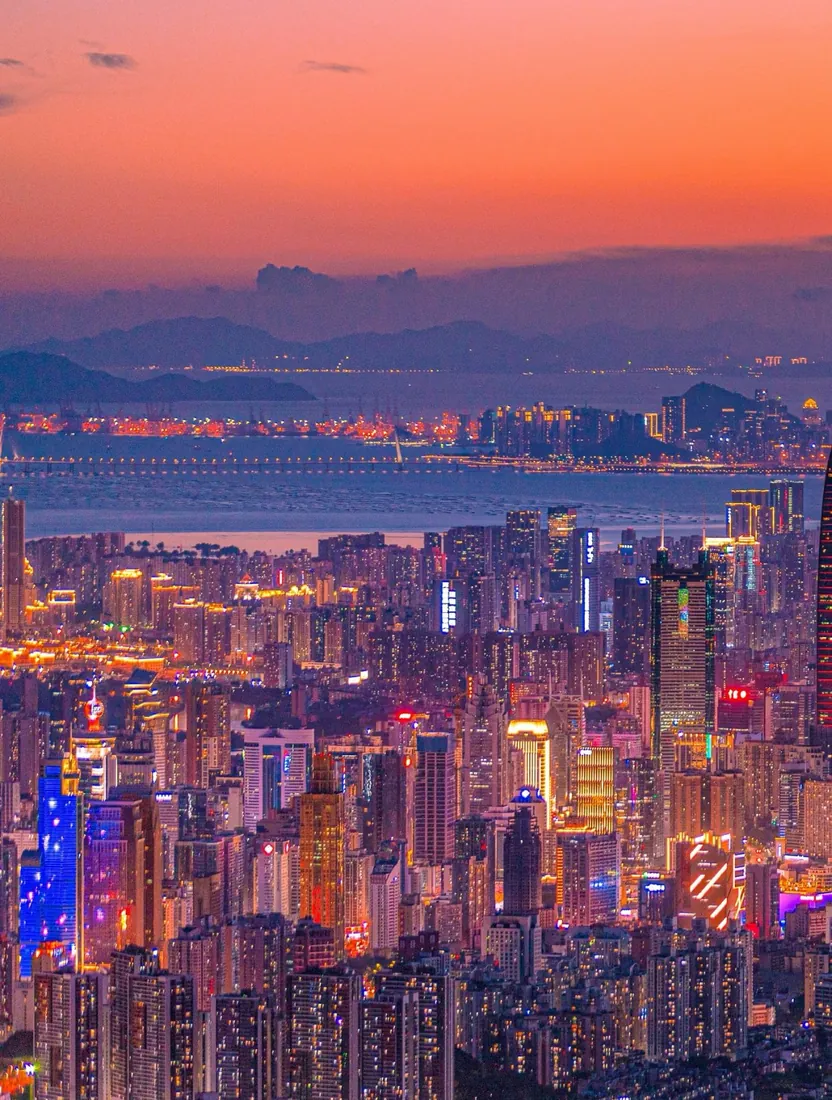
Curve one: a fishing settlement becomes a metropolis
The broad outline is well documented. Shenzhen was a modest coastal settlement; from the early 1980s it was designated a special economic zone, and over the following four decades it became one of China largest cities and a centre for technology and manufacturing. During APEC week, overseas reporters have described the drone deliveries and the skyline, and the phrase "Shenzhen of our own" has travelled around social media.
What is easy to miss in that telling is that a metropolis has room for small, old-fashioned trades. A city known for flying cars still has streets where people stretch canvas by hand. That is where Dafen sits in the picture.
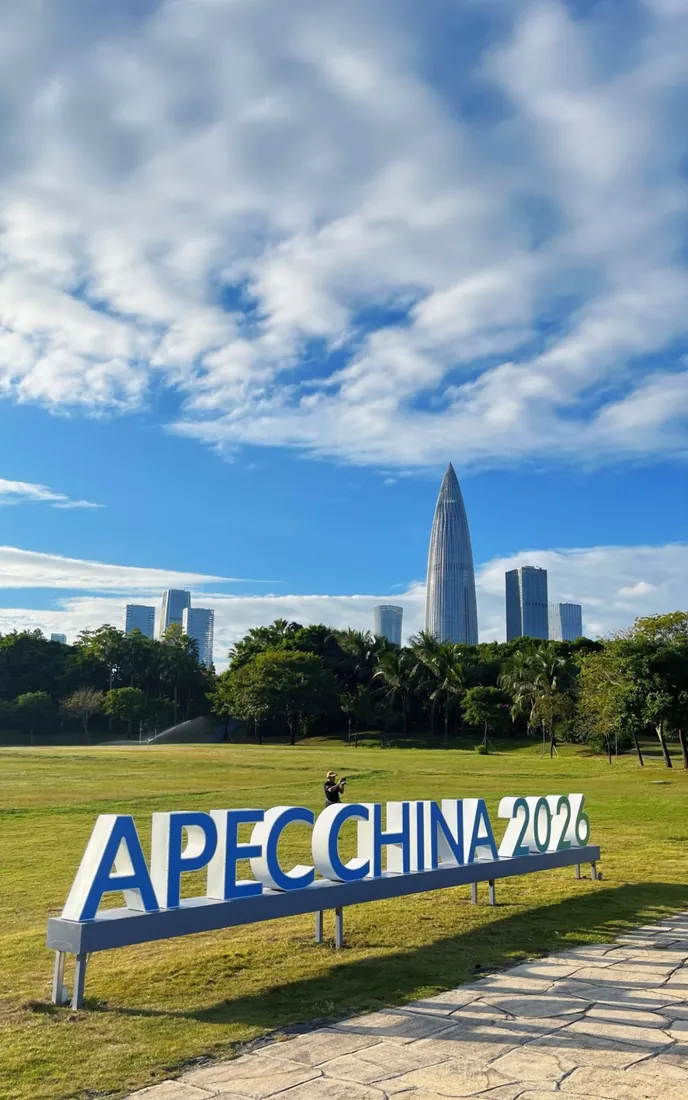
Curve two: a copy village learns to draw its own line
Dafen's rise is usually dated from 1989, when a Hong Kong dealer named Huang Jiang brought a small group of painters here and trained them to work on particular parts of a painting — skies, hands, foliage. The model scaled well. By the 2000s the village was supplying reproductions to galleries around the world, and the word "copy" became attached to it.
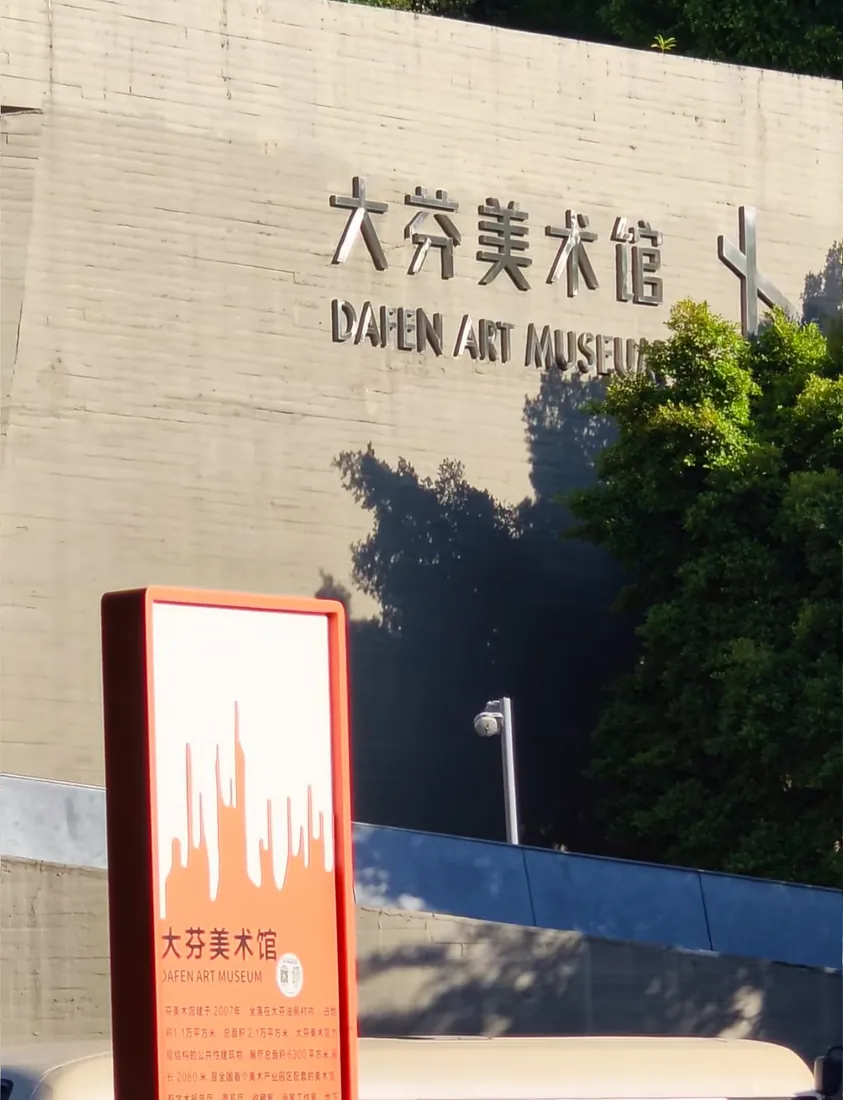
That word was never the whole story, but it was a useful shorthand, and the village has spent years loosening it. One marker is the Dafen Art Museum, opened in 2007. Another is the international biennale. Another, less visible to visitors, is the number of painters here who now work from their own designs or a client's photograph rather than a famous canvas.
A useful example is Zhou Yongjiu, a migrant painter whose life was the subject of the documentary China Van Gogh. His path — from copying for a living to being known for original work — is not unusual here, only more visible. There are other names, quieter ones: painters such as Zhao Xiaoyong, and the artists whose work appears in the museum and the biennale. We mention them as examples, not as a complete list.
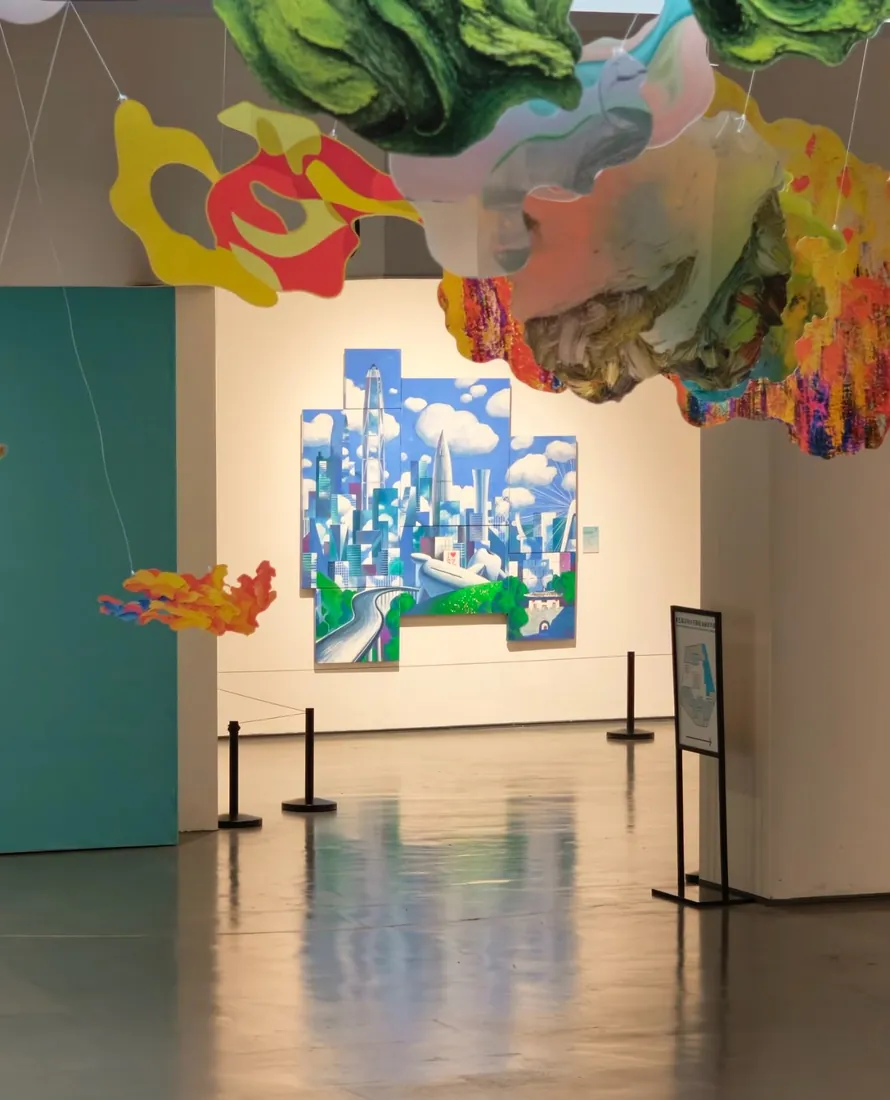
What "original" looks like on the ground
It would be dishonest to say the village has stopped making reproductions. It hasn't, and many buyers want exactly that — a hand-painted Van Gogh or Monet at a price they can manage. Public-domain works are public-domain works; there is nothing shadowy about it.
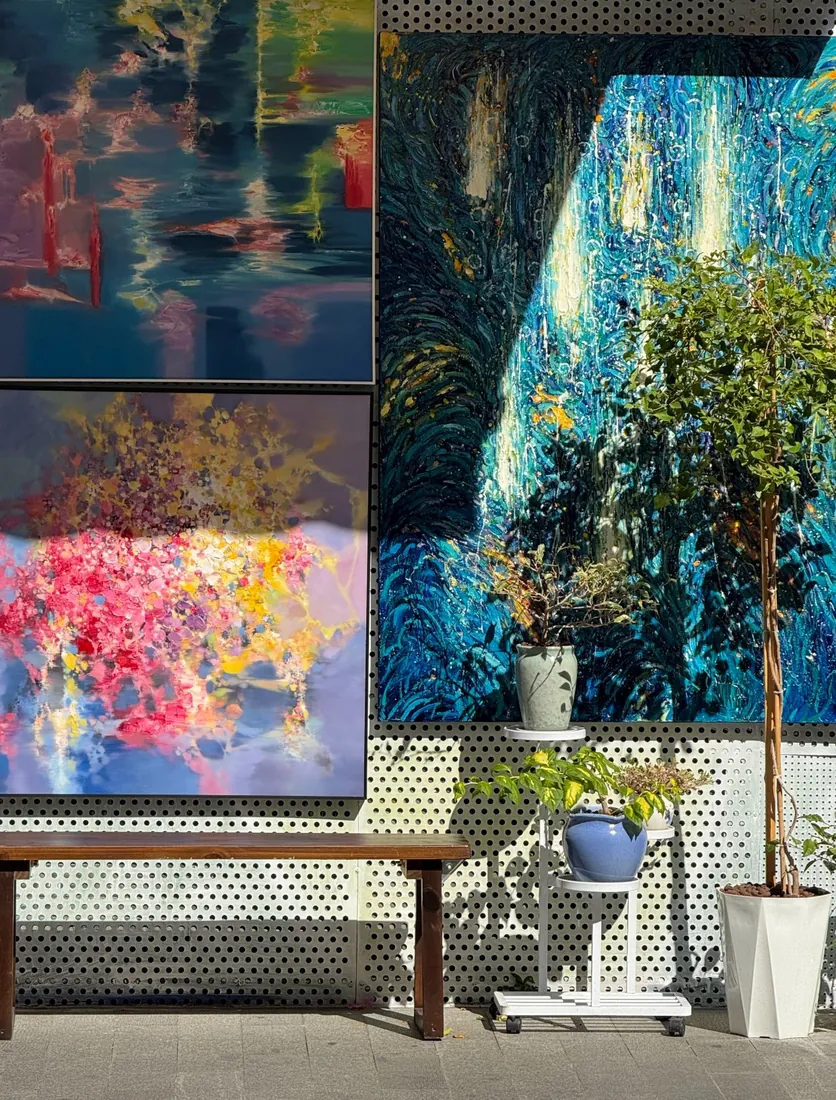
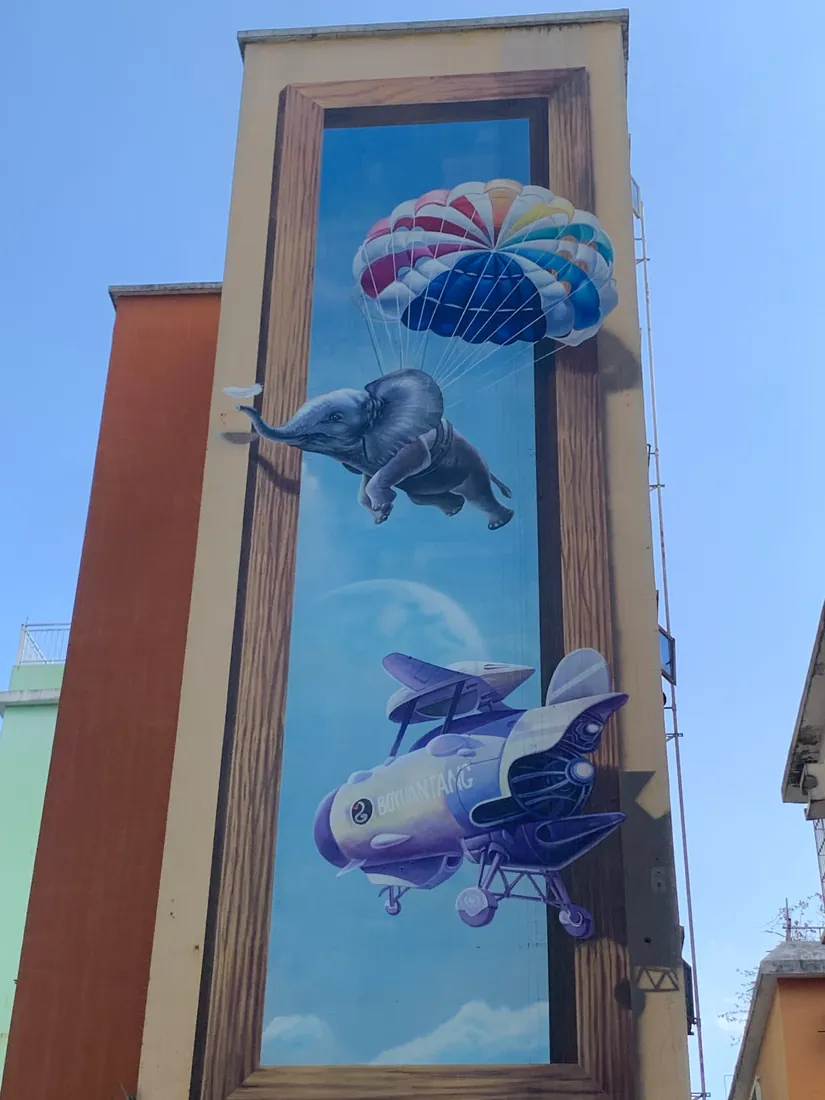
But the range has widened. Alongside the familiar flower vases and starry skies are large abstract canvases, murals on the sides of buildings, and commissioned portraits built from a customer's own photographs. A visitor walking the lanes can see the old trade and the newer one on the same street, sometimes in the same shop.
Why this matters to someone buying a painting
If you are choosing a studio, the distinction is practical. A shop that only reproduces famous images is very good at that specific job. If what you want is your dog, your house, or a colour that matches a room, you are asking for something closer to the newer side of the village. The useful question is not "is Dafen real?" but "which part of Dafen do I need?"
Our own studio sits in that second group. We paint from photographs, we send a photograph of the finished work before shipping, and we arrange delivery to the buyer's address. That is a small description, but it is a more accurate one than any claim about what the whole village has become.
Practical questions
- Is Dafen still a place for reproductions?
- Yes. Hand-painted reproductions of public-domain works remain a large part of the village, alongside original commissions and contemporary work. Both exist on the same streets.
- What changed in Dafen over the last two decades?
- The range widened. The museum opened in 2007, the biennale brought contemporary work in, and more painters now work from their own designs or client photographs rather than only from famous canvases. The older trade did not disappear.
- Who is Zhou Yongjiu?
- A painter who worked in Dafen and became known outside it; his story was told in the documentary China's Van Gogh. He is one example of a broader shift toward original work in the village.
- Can I commission an original painting rather than a reproduction?
- Yes. Send a photograph and the dimensions you need. A hand-painted oil can be made from a pet portrait, a family photograph or a reference you choose, and shipped after you approve the finished photos.
- How is an original commission priced?
- By size, subject complexity, framing and destination rather than a fixed list. We reply with a written quote once we have seen the reference image.
- Is the work in the Dafen Art Museum for sale?
- Exhibitions there are curated shows rather than a shop. For work you can take home, the surrounding galleries and studios are the places to look.
- Can a commissioned canvas be shipped internationally?
- Yes. Finished pieces are usually rolled in a tube or packed stretched, then sent by tracked courier. Freight depends on size and destination and is quoted separately.