What you are buying into
Leonardo Da Vinci died in 1519, so the work has been in the public domain for decades. Reproducing it by hand is legal, and so is owning one.
Ours is a painting made with brushes. There is no giclée, no canvas transfer and no digital underlayer anywhere in the process.
The painting was made in the years before 1519, and what we reproduce is the record of it, not the object.
You are buying a painting, not a file. That distinction is the whole business we are in.
Looking at it properly
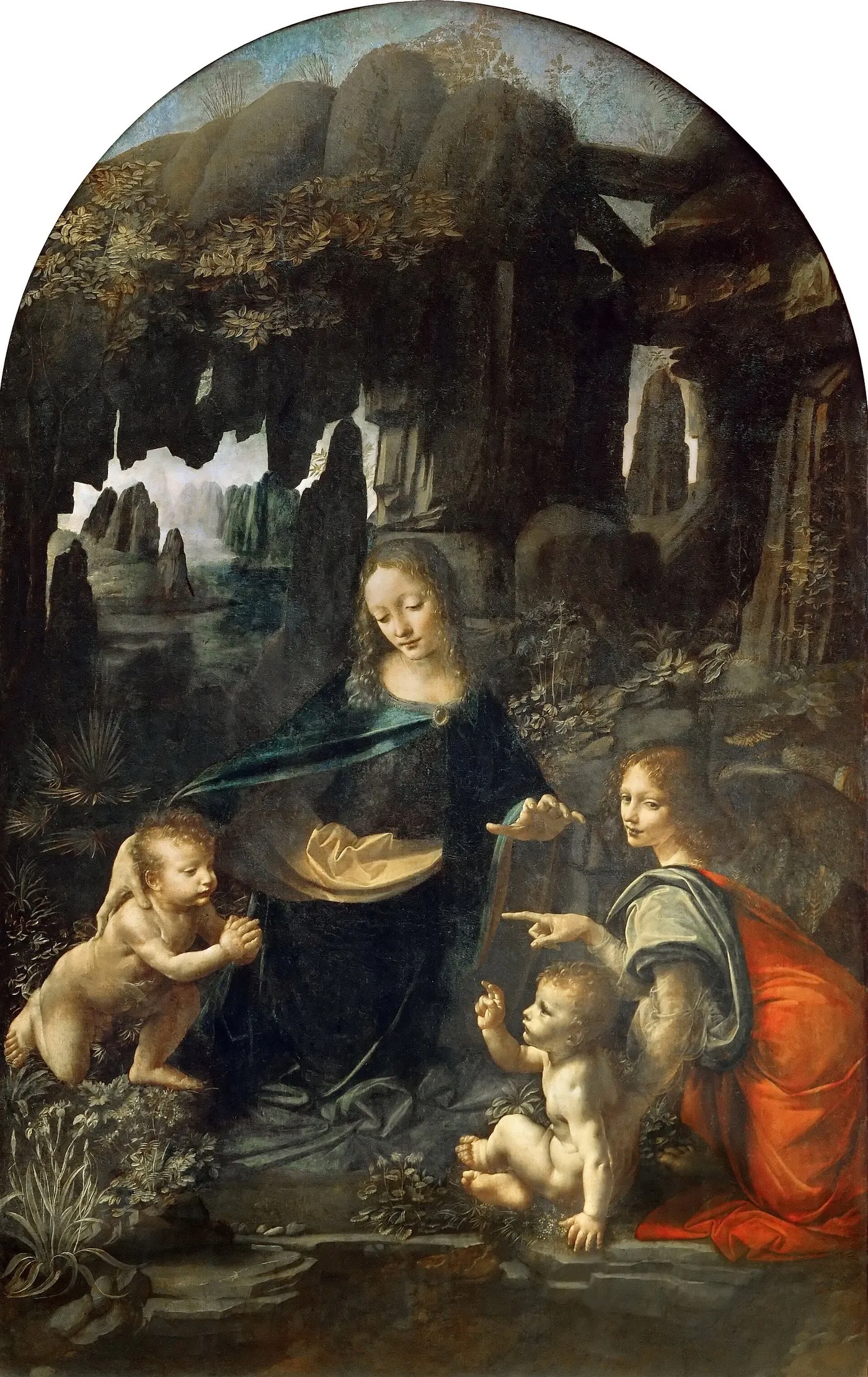
The Virgin of the Rocks depends on glazes for its depth, and glazes are layers of transparent paint. Nothing prints them.
Where the source has gold or strong highlights, we build them in layers rather than painting them flat.
Candle or window light, where present, is local and does not light the whole scene.
Our painter keeps the colour relationships rather than the exact hues, because relationships are what survive.
Nothing here is blended flat. Blending is what makes a painting look printed.
The passage that will take longest is the one that looks simplest.
In a bedroom it works above a headboard, sized to about two-thirds of the furniture width.
| Artist | Leonardo Da Vinci |
|---|---|
| Title | The Virgin of the Rocks |
| What you receive | A hand-painted oil painting on canvas |
| Public domain | Yes — the artist died over 70 years ago |
Hand-painted, not printed
The difference is not subtle when the two hang side by side. Ink sits on the surface; oil stands off it.
Edges are left soft where the form turns away and sharp where it does not. That single habit is what separates a painting from a copy.
| Aspect | Hand-painted oil | Printed canvas |
|---|---|---|
| Impasto | Real paint standing off the canvas | Flat ink, sometimes embossed to imitate |
| What it takes | One painter, several days, start to finish | A machine, a few minutes |
| Sense of depth | Real, created by layers of paint | Simulated by darker ink |
| How it ages | Warms and settles; cleanable by a conservator | Fades, then cracks at the stretcher |
| Handling of colour | Mixed on the palette and finished on the canvas | Fixed by the colour profile |
The difficulty is restraint: leaving out most of what a photograph would show.
Every canvas is painted to order, so the quote follows your size, frame and destination rather than a fixed list. Tell us what you need on WhatsApp and we reply with an exact figure, usually within the hour. You are buying from the workshop, not a catalogue.
From blank canvas to finished painting
Every canvas is painted to order, so nothing is pulled off a shelf. This is the sequence:
- The canvas is stretched and primed — cotton or linen, sized and ready before any paint goes near it.
- A loose underdrawing — proportions checked by eye against the source image.
- The first colour pass — thin and simple, establishing the main shapes only.
- The values are established — this is the stage that decides whether the painting works.
- The colour passes — each area gets its own mixture rather than one colour used throughout.
- Finishing passes — the loaded highlights go on at the end and stay there.
- Left to dry before varnish — nothing is photographed or packed until the surface is ready.
The hardest passage is the quiet one, where a small mistake has nowhere to hide.
Canvas, paint and varnish
Pigment is artist-grade oil colour, not acrylic and not house paint. It behaves differently and it lasts. We use a neutral-sized ground so the whites stay warm rather than going blue over time.
Oil paint dries by oxidation, not evaporation, which is why a finished canvas needs weeks before it travels. We buy pigment in tubes from the same suppliers the village has used for years, not in bulk drums.
Keeping it
Once the varnish has cured the surface can be cleaned by a conservator, but in a normal house it will not need it for decades.
Whether to frame it
Most clients wait for the photographs before choosing a frame, which is the sensible order.
A frame is a separate line on the quote, not a bundle. You choose it once the painting exists.
Canvas sizes
The canvas is cut to your wall, not the other way round. For reference, these are the dimensions most often requested:
| Size (inches) | Size (cm) | Best for |
|---|---|---|
| 16 × 24 in | 41 × 61 cm | Hallway end, beside a door |
| 20 × 30 in | 51 × 76 cm | A tight wall that needs height, not width |
| 24 × 36 in | 61 × 91 cm | Stairwell, tall entrance, gallery group |
| 30 × 45 in | 76 × 114 cm | Double-height space, narrow feature wall |
| 36 × 54 in | 91 × 137 cm | Lobby, chapel-like corner, tall foyer |
We will size the canvas to the room, not to a stock list. Send us the measurement. Duties and import taxes are the buyer's account (DAP). Your customs authority sets them; we do not.
Hang it at eye level — roughly 145 cm from the floor to the centre — and it will hold the wall.
Tell us your size and frame — we reply with an exact quote, usually within the hour.
💬 Get a The Virgin of the Rocks Quote on WhatsAppPlanning a wall or comparing options? Save this painting to Pinterest
Timeline and shipping
From order to finished canvas is 9–15 days. Freight appears as a separate line on the quote and is fixed before you pay.
Expect 7–10 business days in transit, with tracking from our door to yours. We send photographs of the finished painting before it is packed, and again once it is boxed.
Before anything is packed, you get photographs of the actual canvas and a chance to ask for changes. Adjustments are part of the process. Say what you want different and it gets done.
We quote DAP, so any duty or tax your country charges is settled by you at import. We do not add a tax line of our own.
Work begins on a deposit and ships on the balance. Both figures are on the quote. If a crate arrives damaged, send us photographs within 48 hours and contact us directly — we will sort it out with you.
The practical questions
Why not just print it?
A print flattens the surface into a poster: the distance collapses and the highlights turn to grey. Paint keeps the depth and the texture the original was built from.
Can I get this in a size that is not listed?
Yes — the listed sizes are the common requests, not a limit. Very wide or unusually tall proportions are routine for us.
Does it come with a certificate of authenticity?
No, and we would be wary of anyone who issues one for a public-domain reproduction. What you receive is a hand-painted canvas and photographs of it before it ships.
What does it cost?
There is no price list, because the number depends on your size and frame. Message us and we will quote exactly.
Is owning a reproduction legal?
Yes. Leonardo Da Vinci died more than 70 years ago, so the work is in the public domain and owning a hand-painted version is legal anywhere. We never pass ours off as the original.
Do you take a deposit?
A deposit starts the canvas and the balance falls due before it ships. Both figures appear on the quote.
How long does it take?
Painting takes 9–15 days. Air freight is usually 7–10 business days on top of that, tracked.
What is the canvas made of?
Cotton duck as standard, linen on request, artist-grade oil paint, and a final varnish once the paint is fully dry.
Who pays the import duty?
The buyer does. Terms are DAP: duties and taxes, where they apply, are paid on arrival. We never add a tax line of our own.
Do you sell prints?
No. Hand-painted oil on canvas only. No printing, no giclée, no canvas transfer.
How do I hang it?
Roughly 145 cm from floor to centre works for most rooms. Tell us your wall and we will give you the measurement.
Will I see it before it ships?
Yes — photographs of the actual painting go to you first, and nothing is packed until you have seen them.
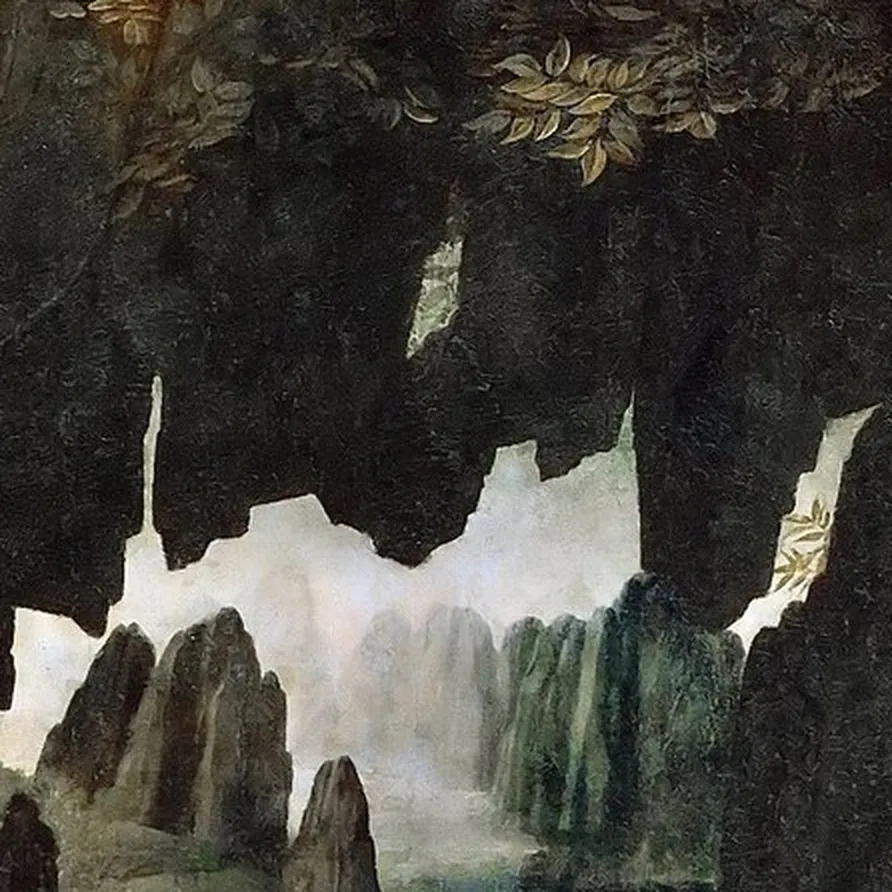
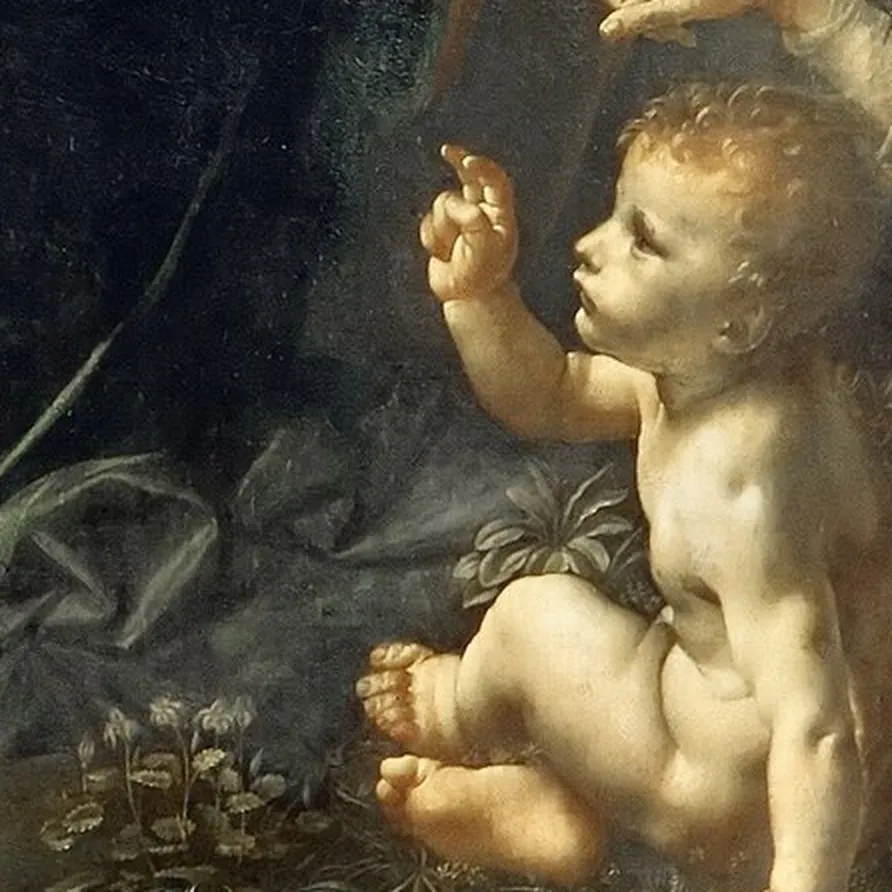
Brushwork details
Close-up crops of this 100% hand-painted oil reproduction — real oil texture, never a print.