Master Artist
Paul Gauguin
Oil repaintings of Paul Gauguin's canvases by senior artists working in Dafen Oil Painting Village. Brushwork built up in layers by hand — not printed, not a transfer. Tell us the size and we will quote it.
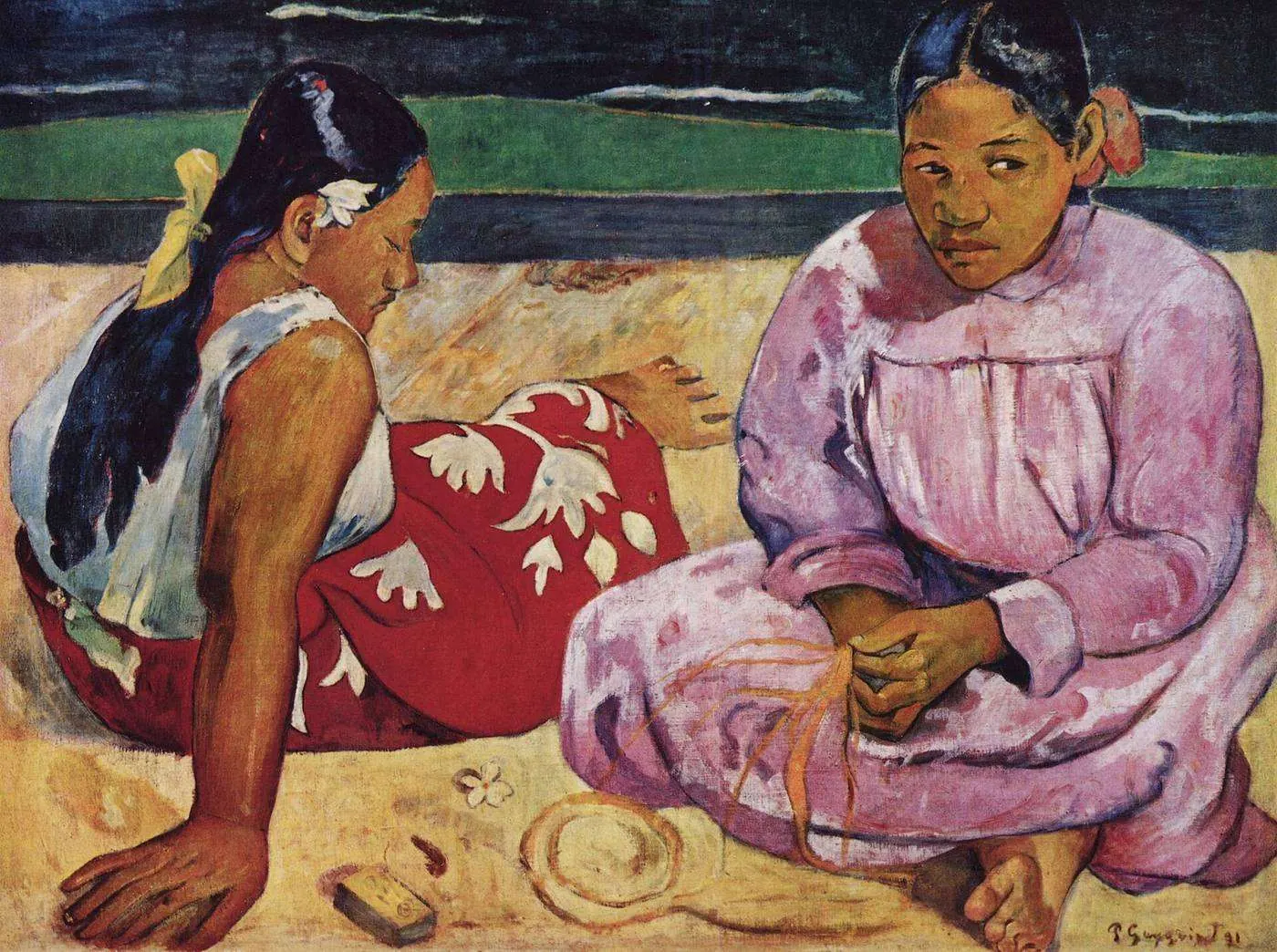
Oil repaintings of Paul Gauguin's canvases by senior artists working in Dafen Oil Painting Village. Brushwork built up in layers by hand — not printed, not a transfer. Tell us the size and we will quote it.
Paul Gauguin (1848 to 1903) began as a stockbroker in Paris and quit twice — first to paint, later to leave Europe altogether. He is usually filed under Post-Impressionism, but what he actually objected to was Impressionism's whole premise. His complaint about Monet and Pissarro was not their colour but their refusal to think — their willingness to put whatever happened to be in front of them onto canvas.
What he built instead, first in Brittany with Émile Bernard and then in Tahiti, has a name: Synthetism. The idea was that form should be simplified to memory rather than observed, and then enclosed — flat colour areas bounded by visible outlines, in open defiance of five hundred years of modelling. It is sometimes called cloisonnism, after the enamel technique it resembles.
Because nothing in a Gauguin is buffered. There is no gradual tonal transition anywhere for poor reproduction to hide inside — flat colour meets flat colour directly, so any banding, any dot-screening, any dulling of a hue is immediately visible as a fault rather than as atmosphere. His pictures were also often painted on coarse, poorly prepared surfaces, and the originals carry a dry, absorbent quality that even a good giclée turns glossy.
In oil, the difficulty is reversed. Oil is naturally glossy and naturally blendable, and both instincts have to be suppressed. Our painters mix each area by quantity and lay it flat, clean-brushed, on a fairly dry surface; the result has to look decisive rather than smooth. Getting that decisiveness without making the picture look childish is the entire job.
Gauguin used pure colour at full saturation and set it against its opposite on purpose — chrome yellow next to verdigris, vermilion against a deliberately unnatural background green or pink. He was explicit about it: colour was symbolic, not descriptive. Which means there is no "correct" flesh tone in any of these six. Everything depends on the relationships holding at full strength, and one wrong neighbour takes the whole picture with it.
Unlike most Old Masters, Gauguin works unusually well in contemporary interiors. Because the shapes are flat and the colour is unmodulated, these read almost as graphic art on a wall — they sit happily next to pale plaster, timber and linen, and they tolerate being hung higher in a stairwell or a hallway than a landscape would.
Yes. Gauguin died in 1903, so these paintings are free to reproduce anywhere in the world. We never present our canvases as originals and never issue a certificate of authenticity for one — this is honest, hand-made decoration.
Yes, within limits. Because the painters work freehand they can adjust the crop, though we would rather discuss it first — squeezing "Where Do We Come From?" into a square changes the reading order of the figures.
Screens differ, and Gauguin saturates hard. We photograph your finished canvas under neutral light before it ships, so what you approve is what you receive. If you want it a shade cooler or stronger, that adjustment is included before packing rather than after.
Choose the painting above, or send any Paul Gauguin reference image you have in mind.
Standard sizes or made exactly to your wall. Stretched, rolled in a tube, or framed.
We photograph the finished canvas for approval, adjust anything you want changed, then pack it for export.
Signed on request, shipped with a certificate of origin. Quotations answered within 24 hours on WhatsApp.
Tell us the title and the size you need.
A working studio inside Dafen Oil Painting Village, Shenzhen — since 2016. Every line below runs through the same floor and the same WhatsApp number.
All 25 Paul Gauguin reproductions in the catalogue — painted to order in oil on canvas, any size, any frame.


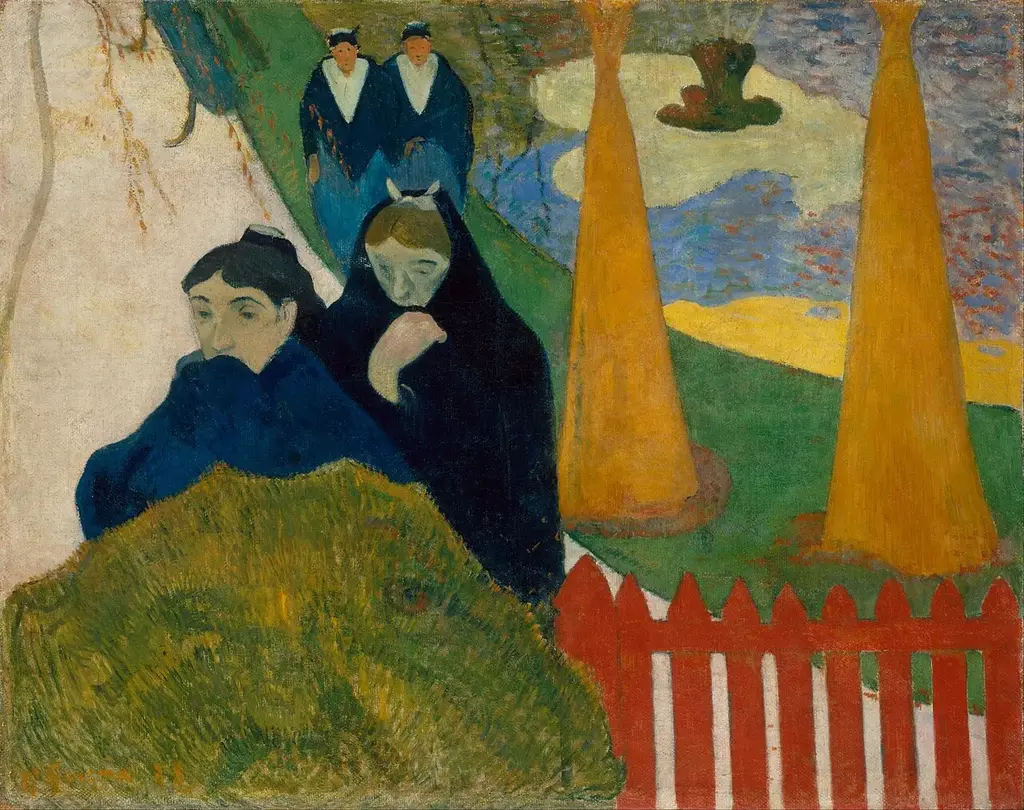
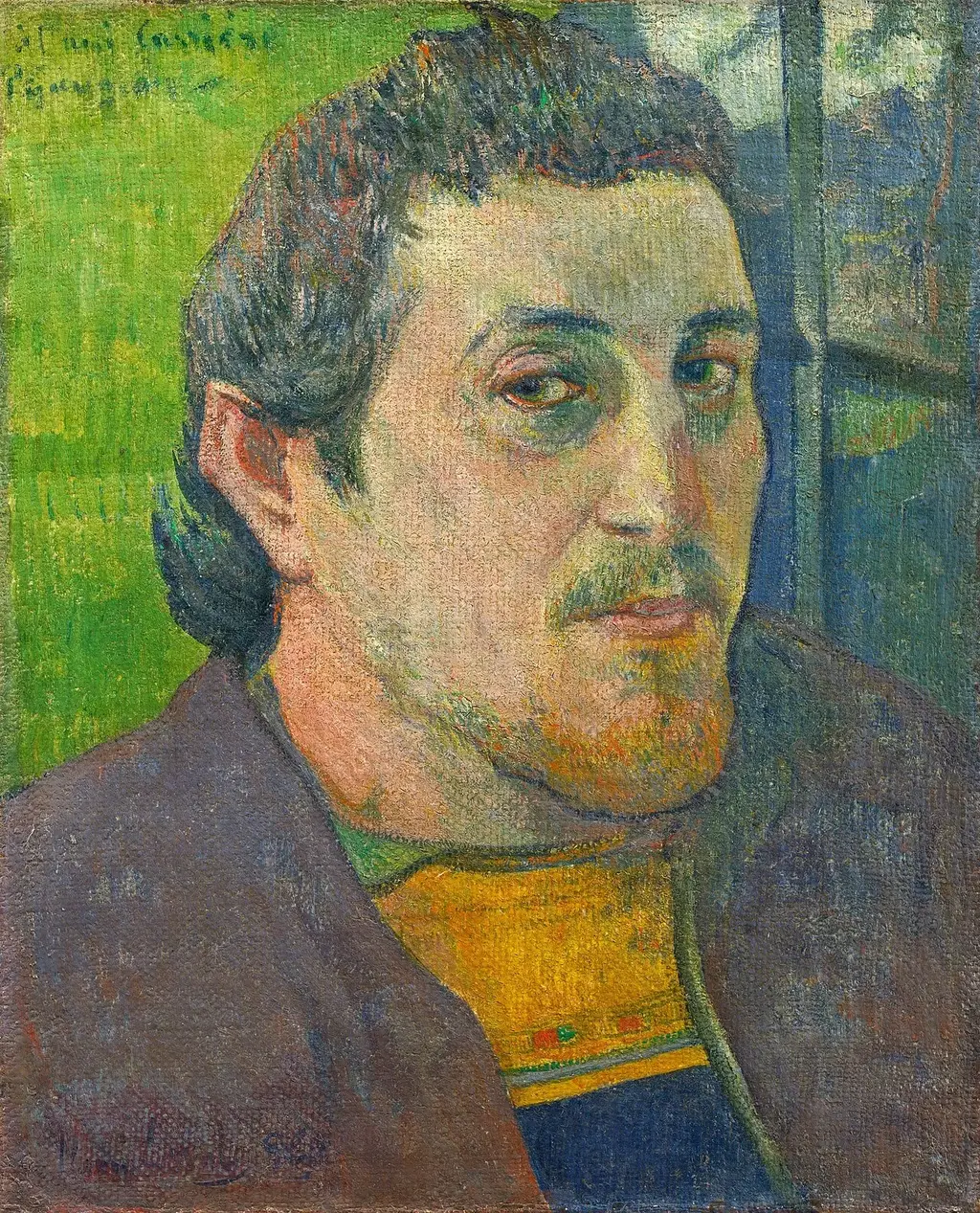
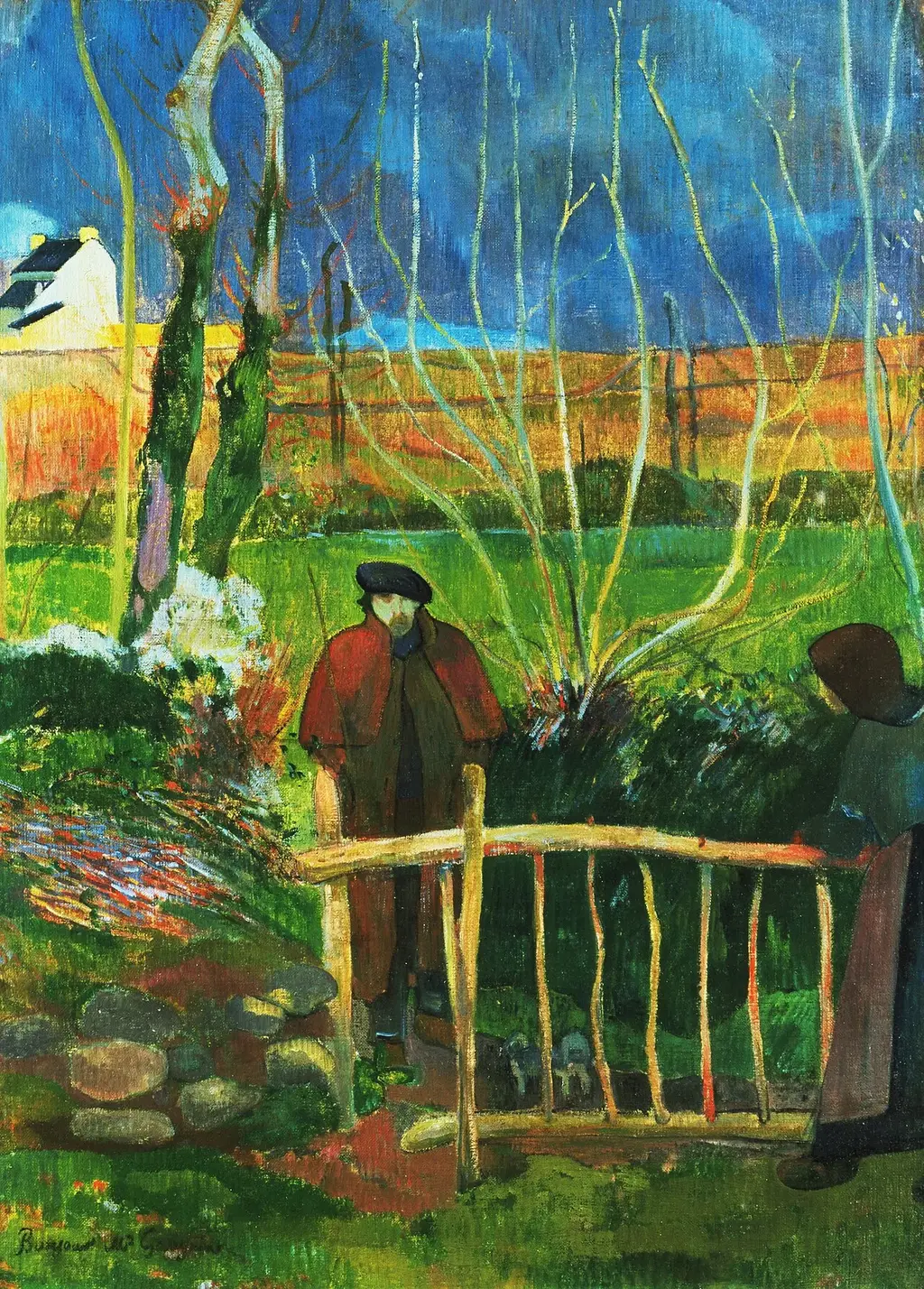
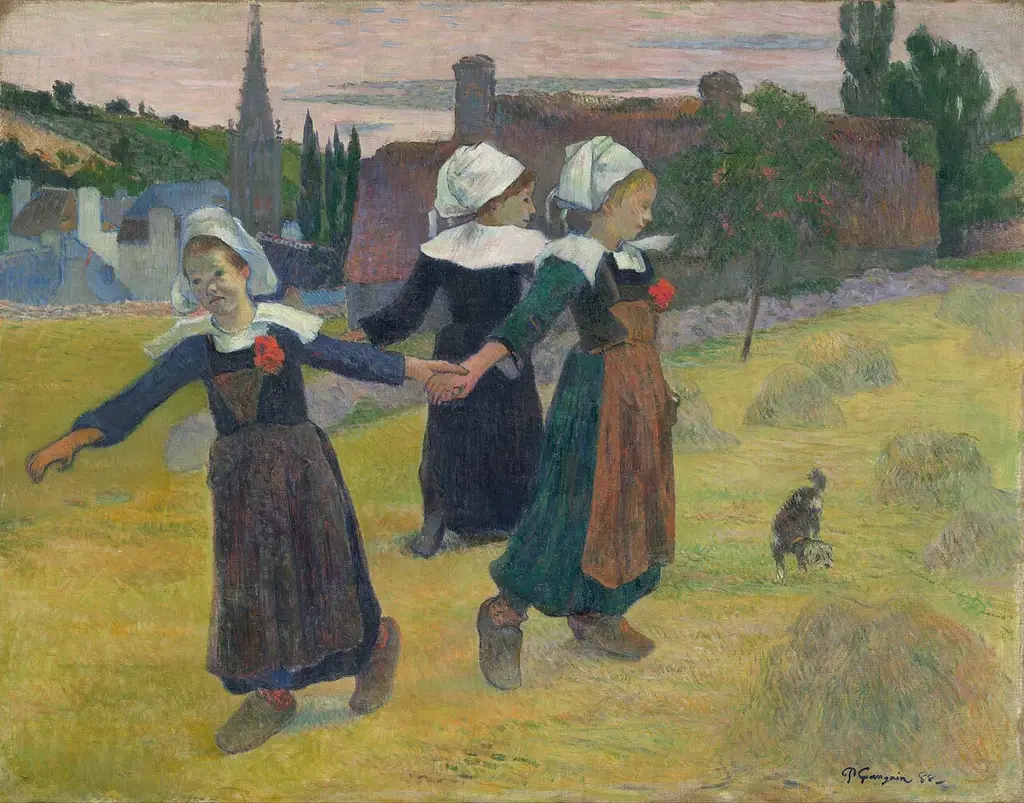
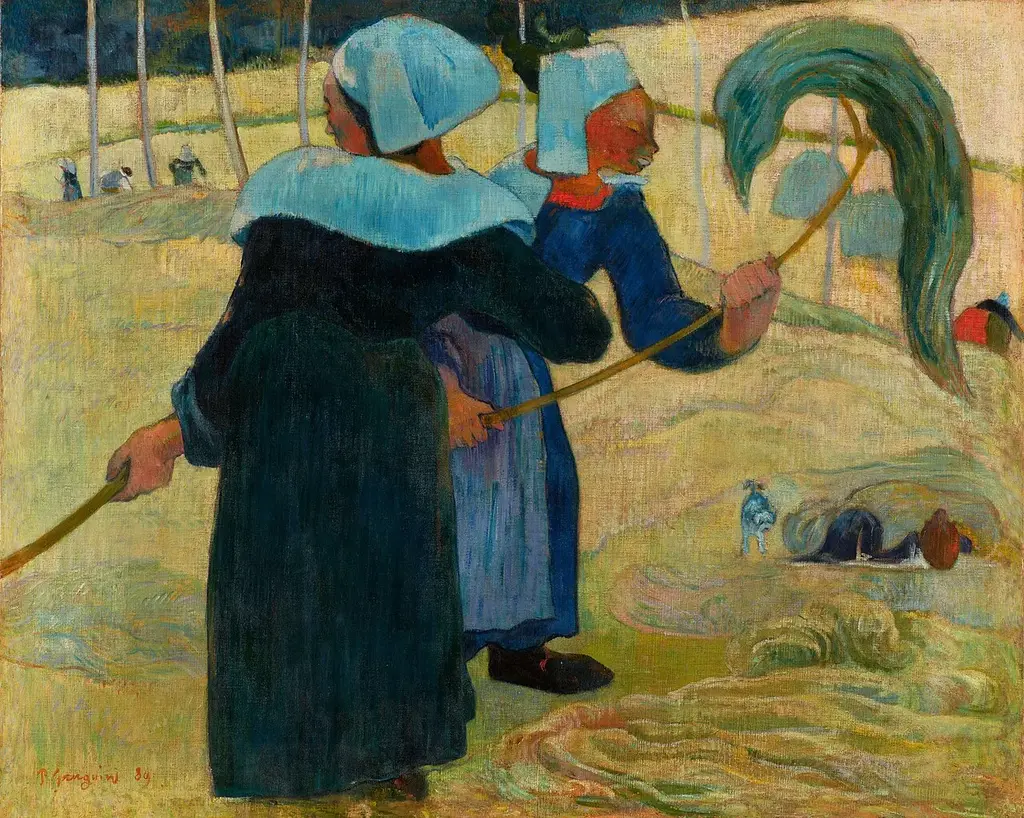
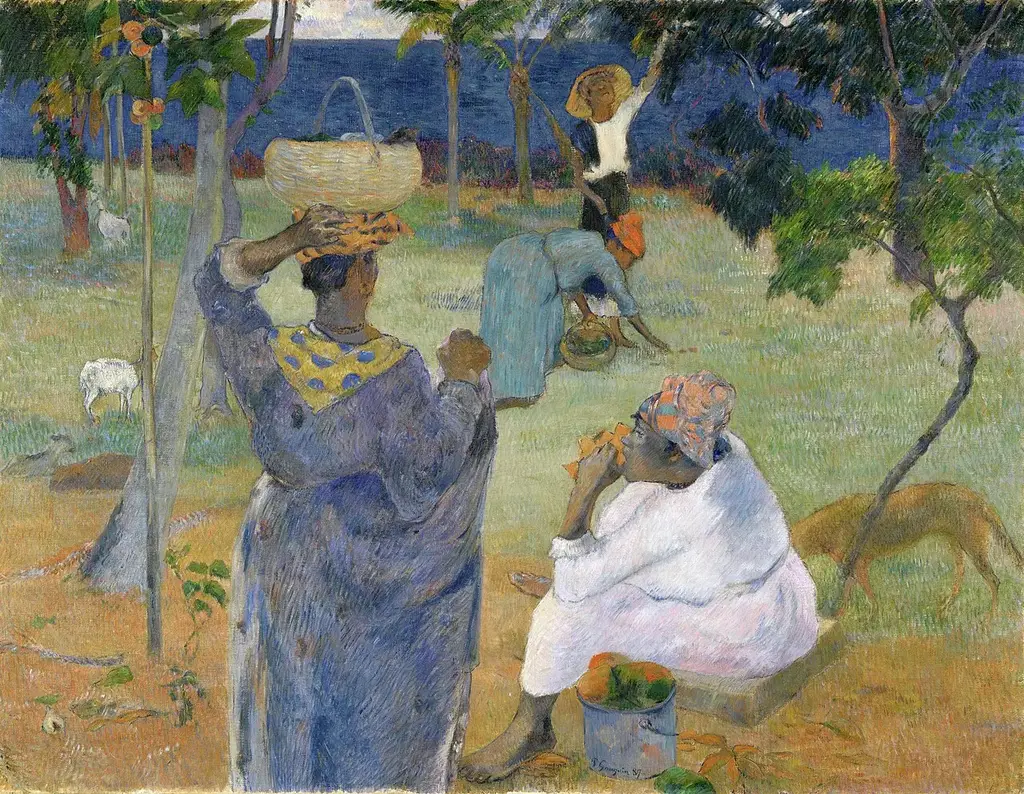
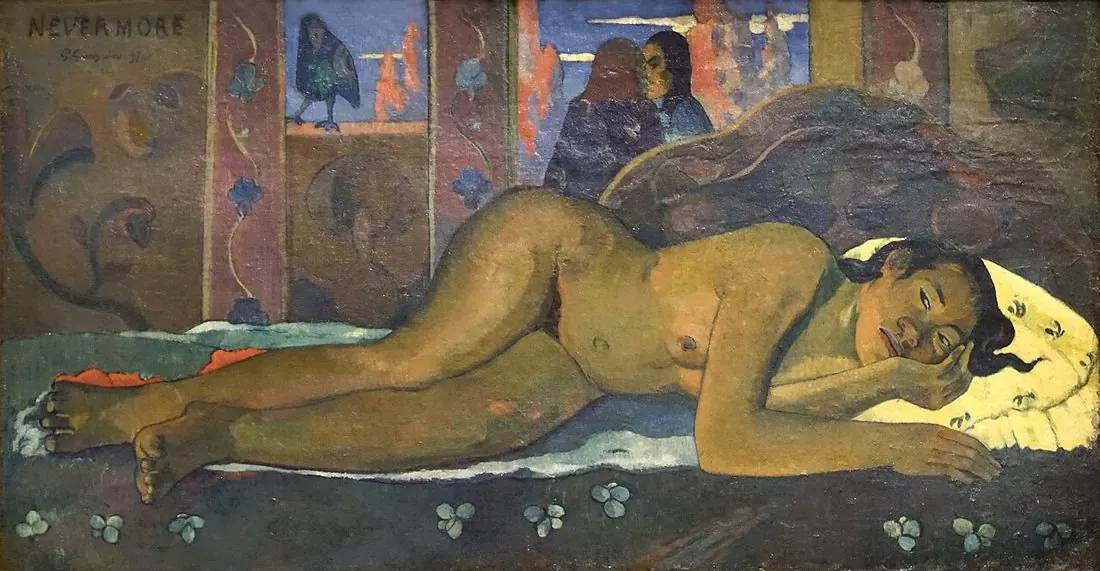
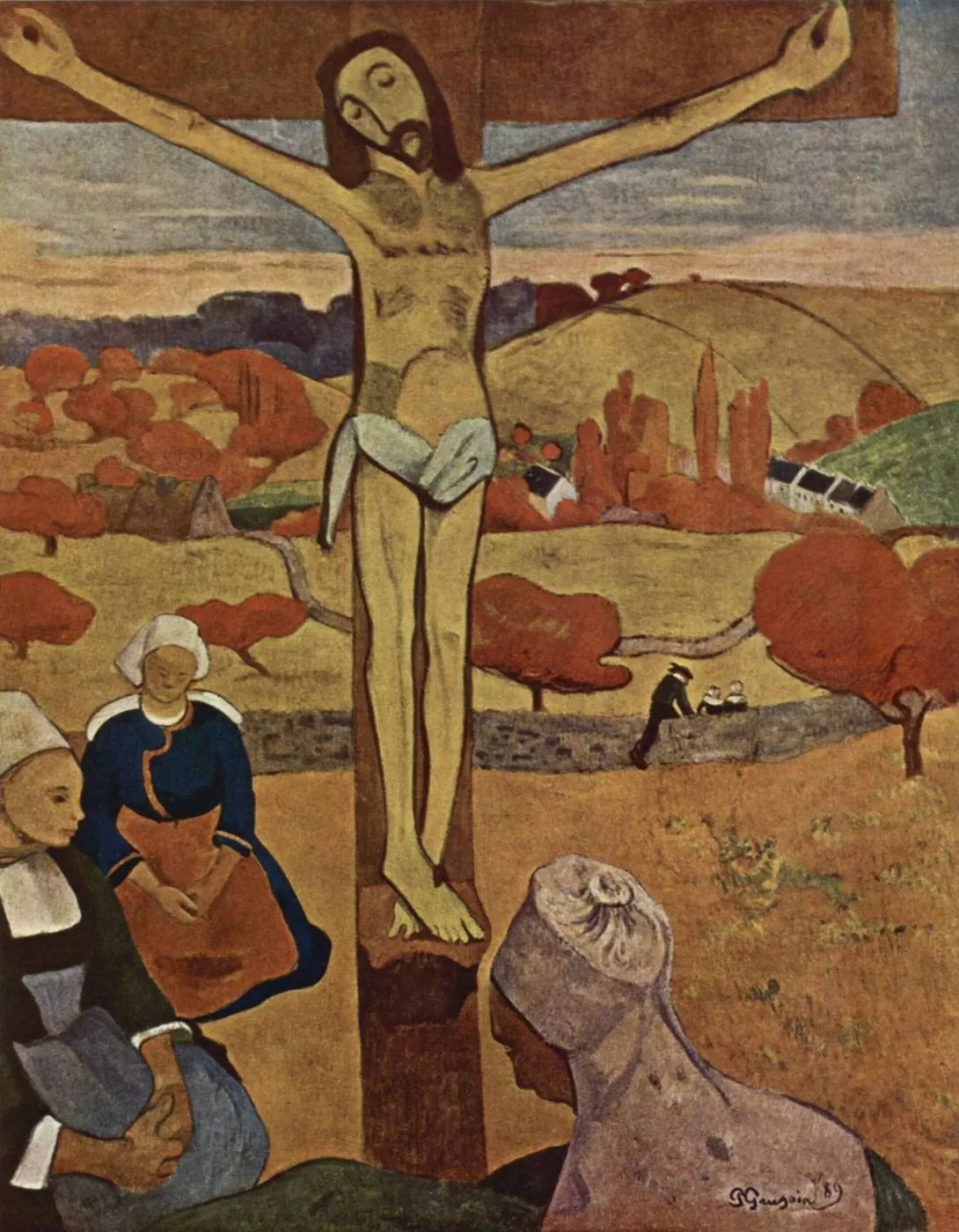
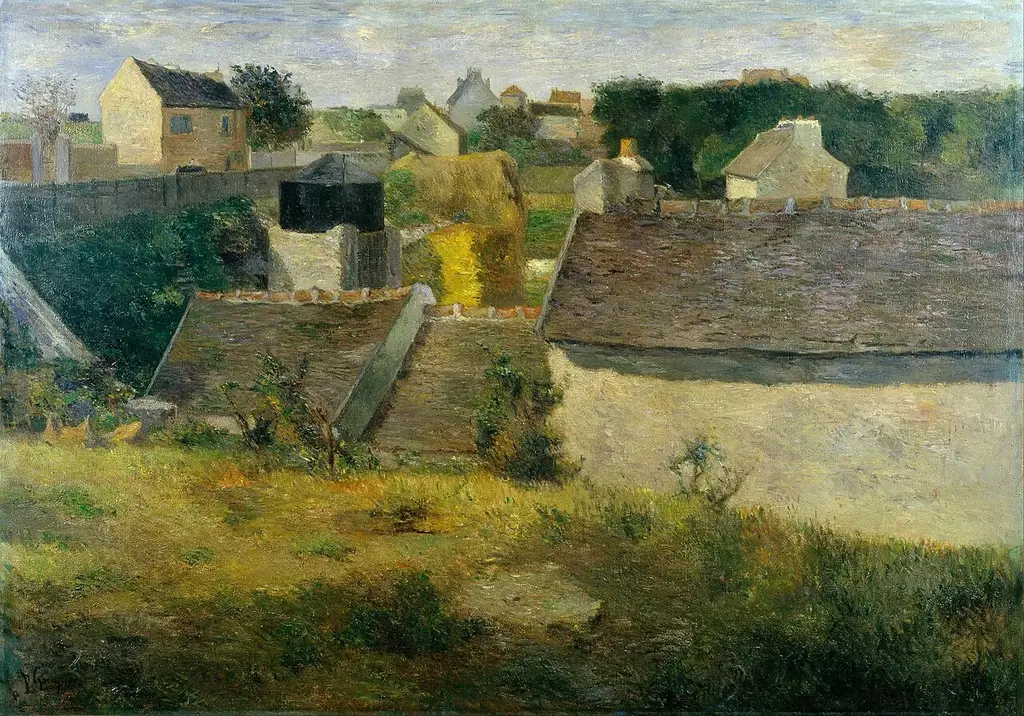
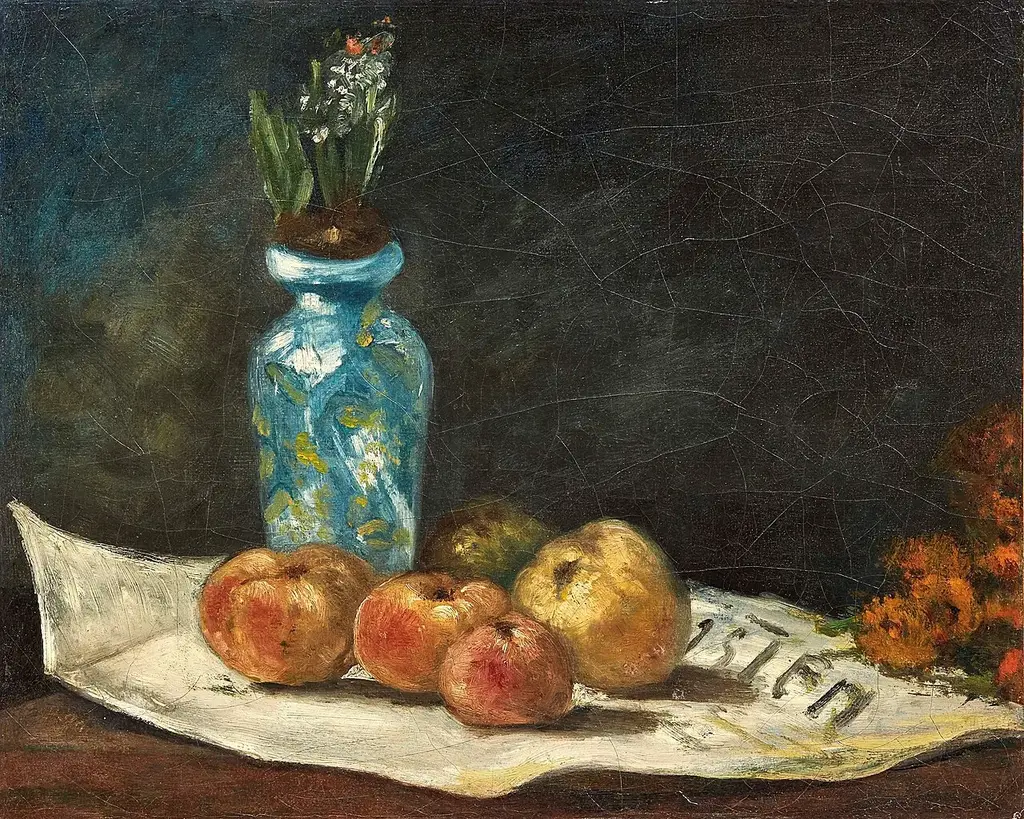
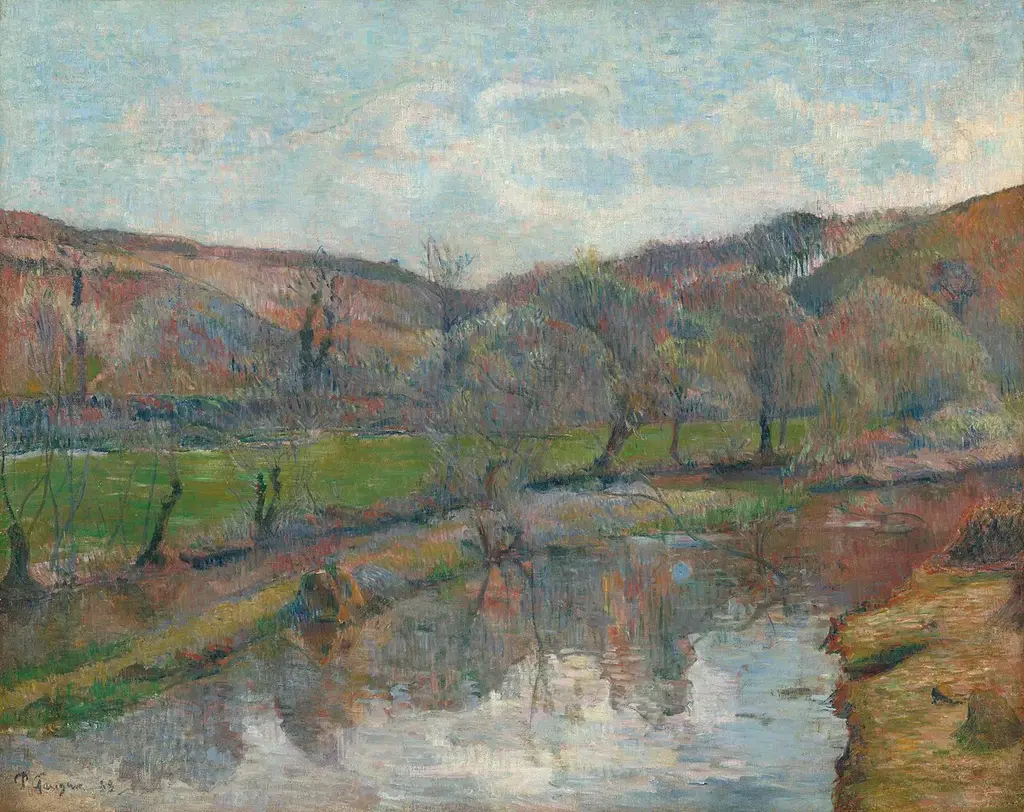
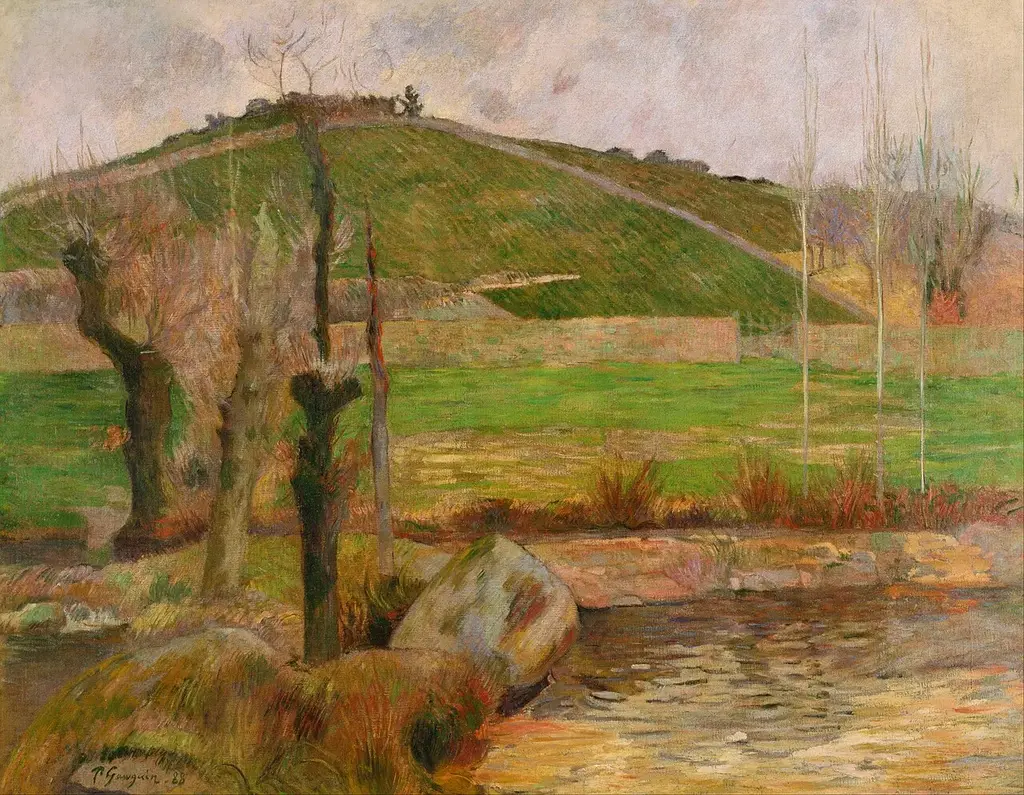
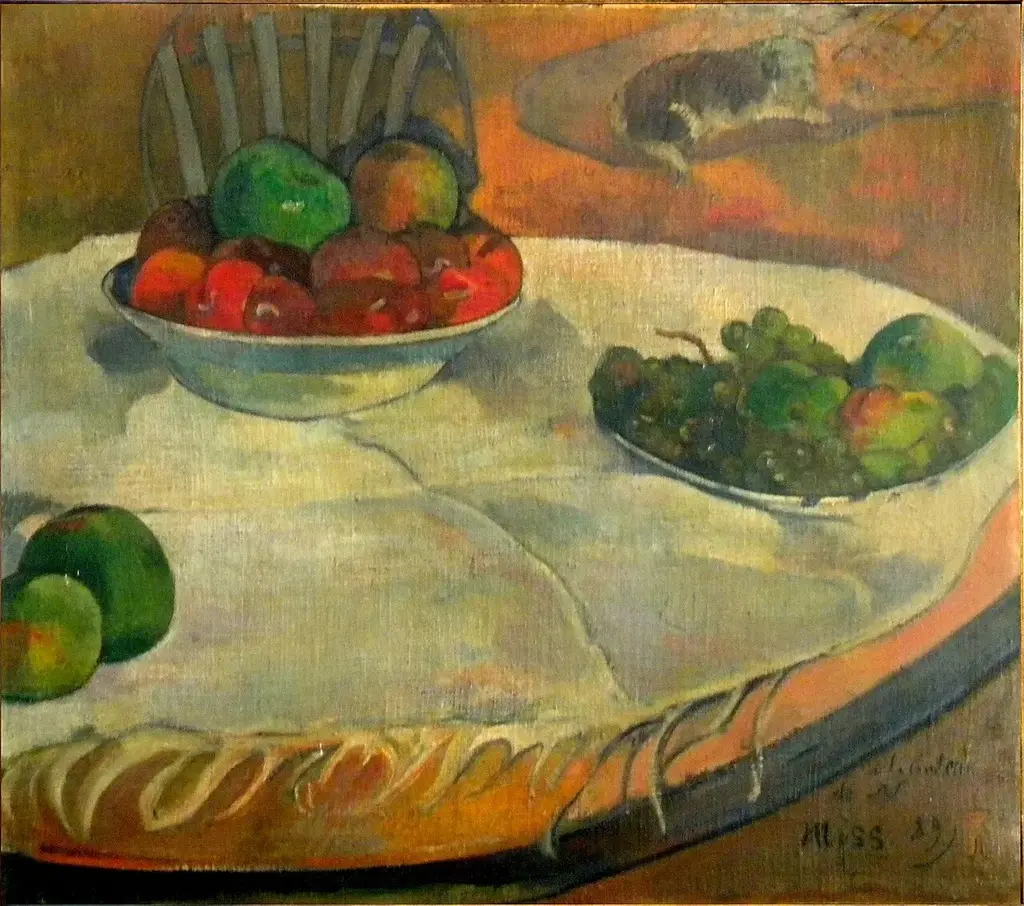
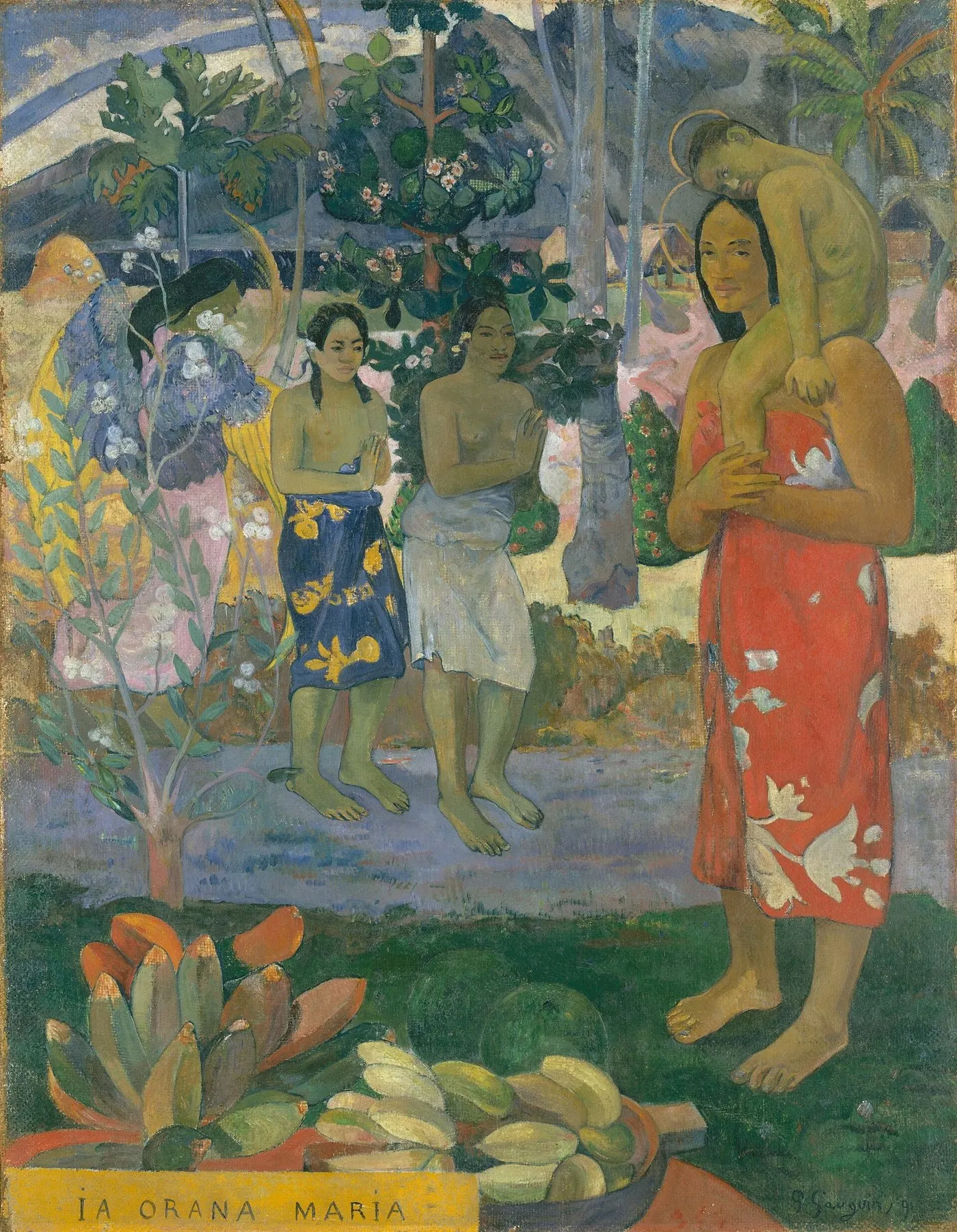
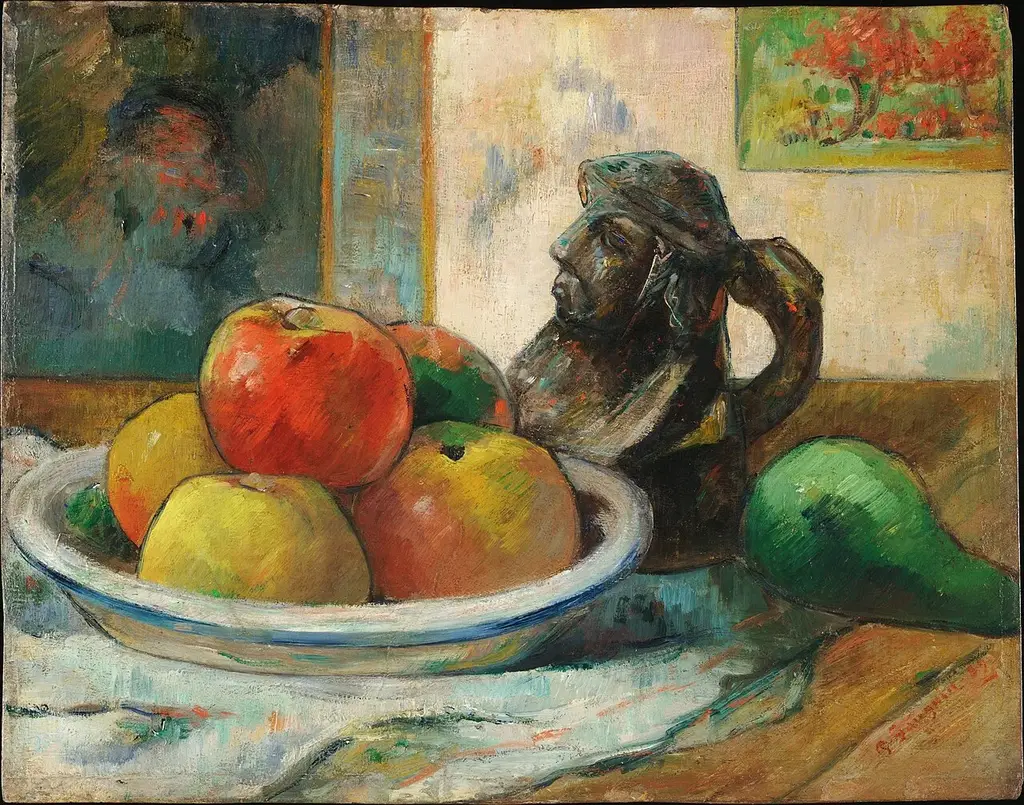
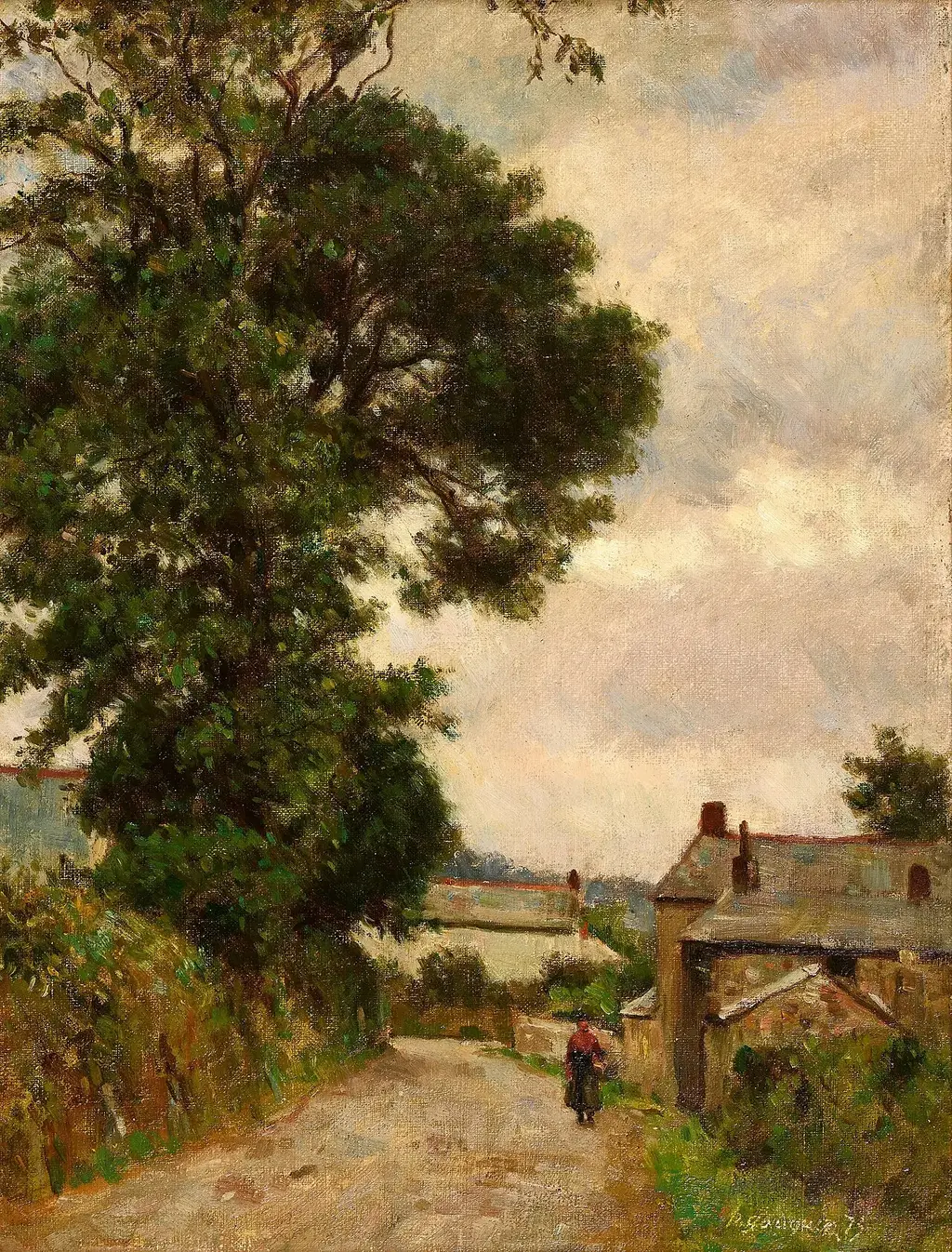
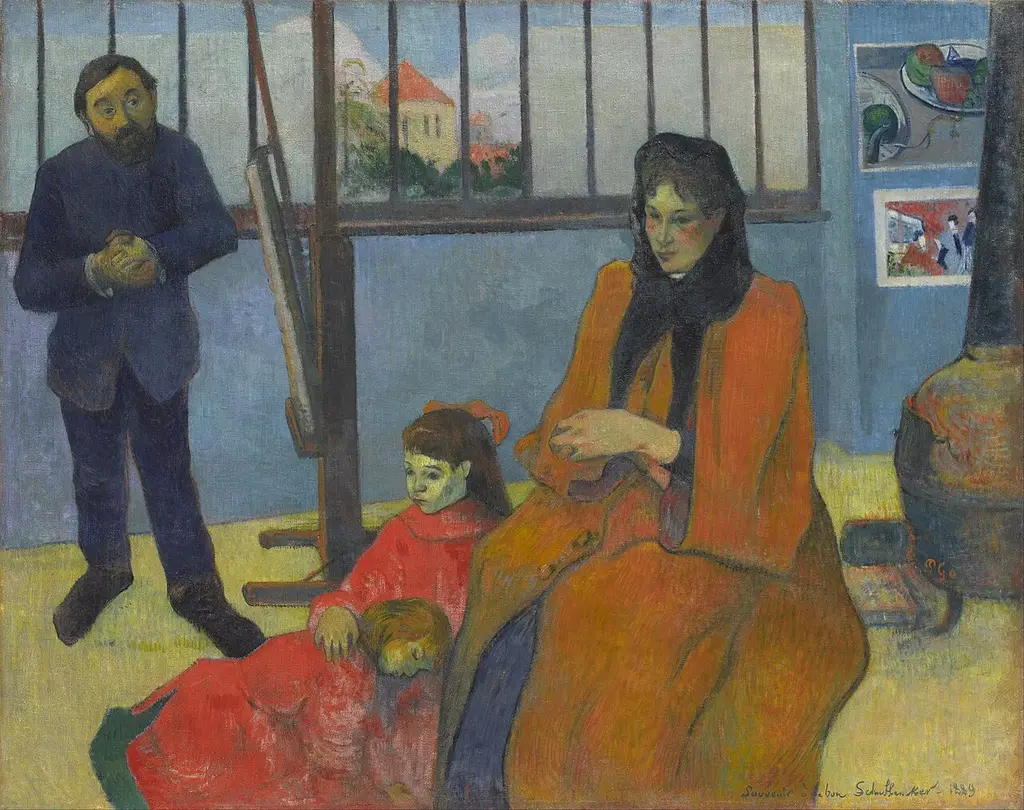
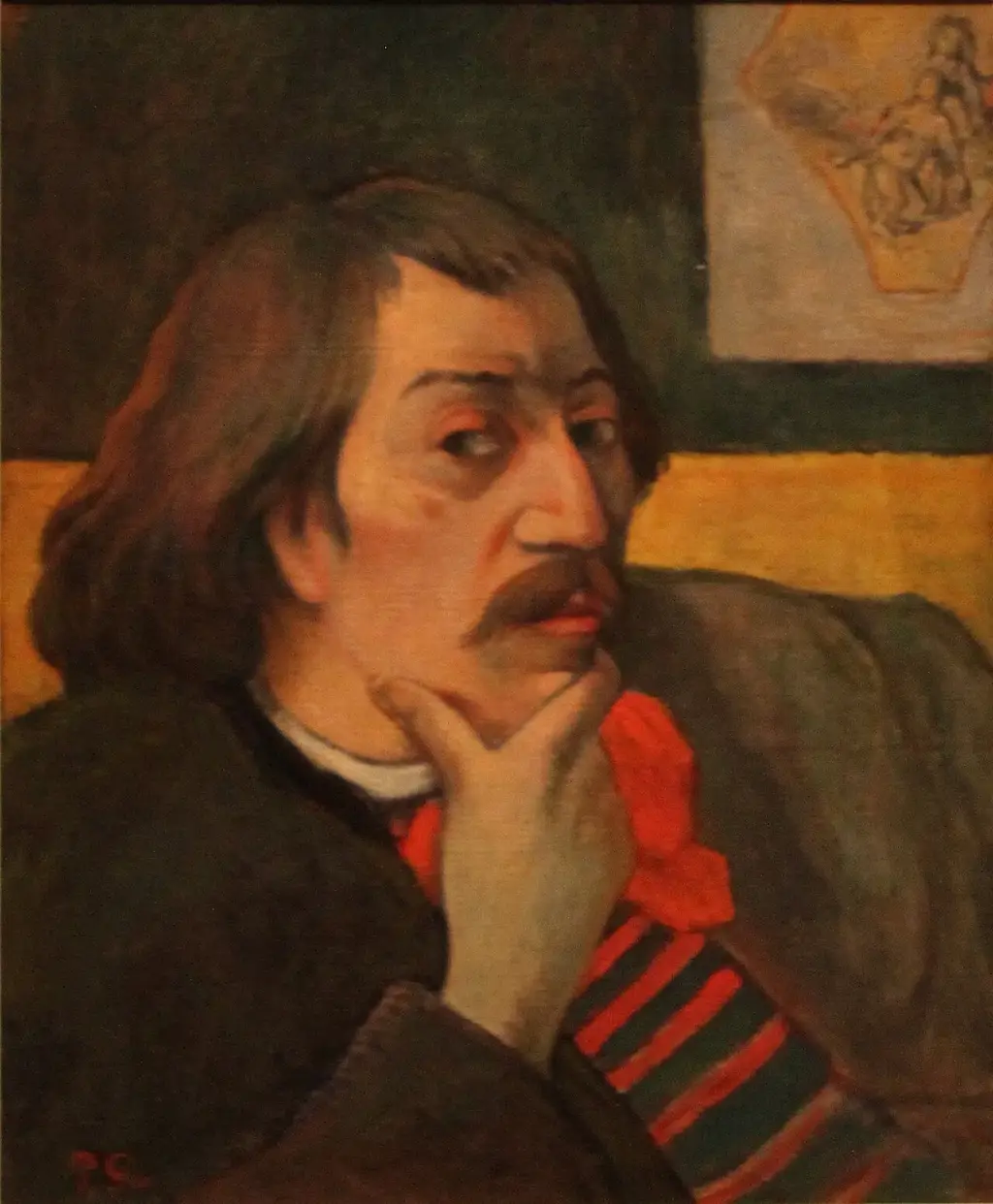
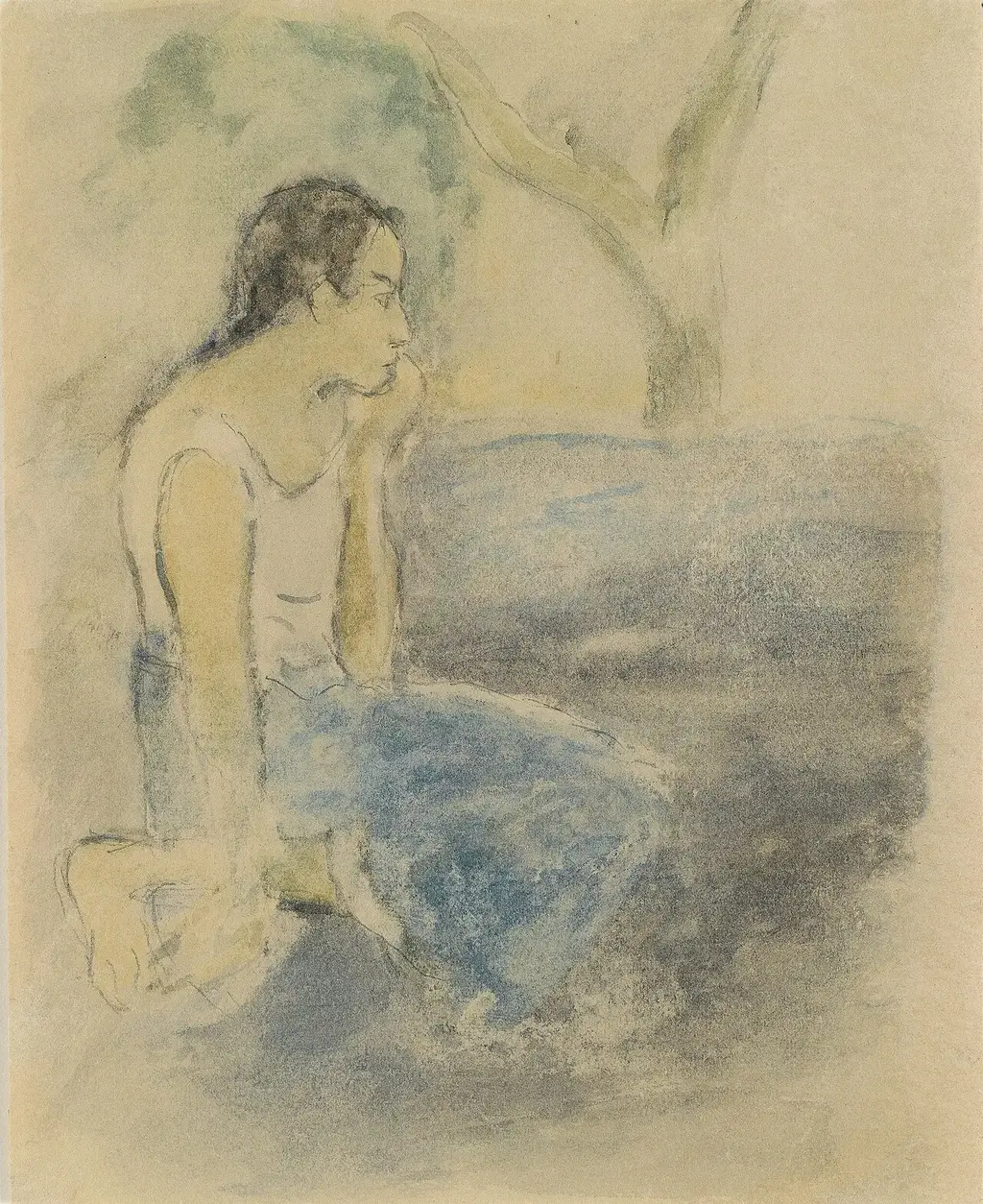
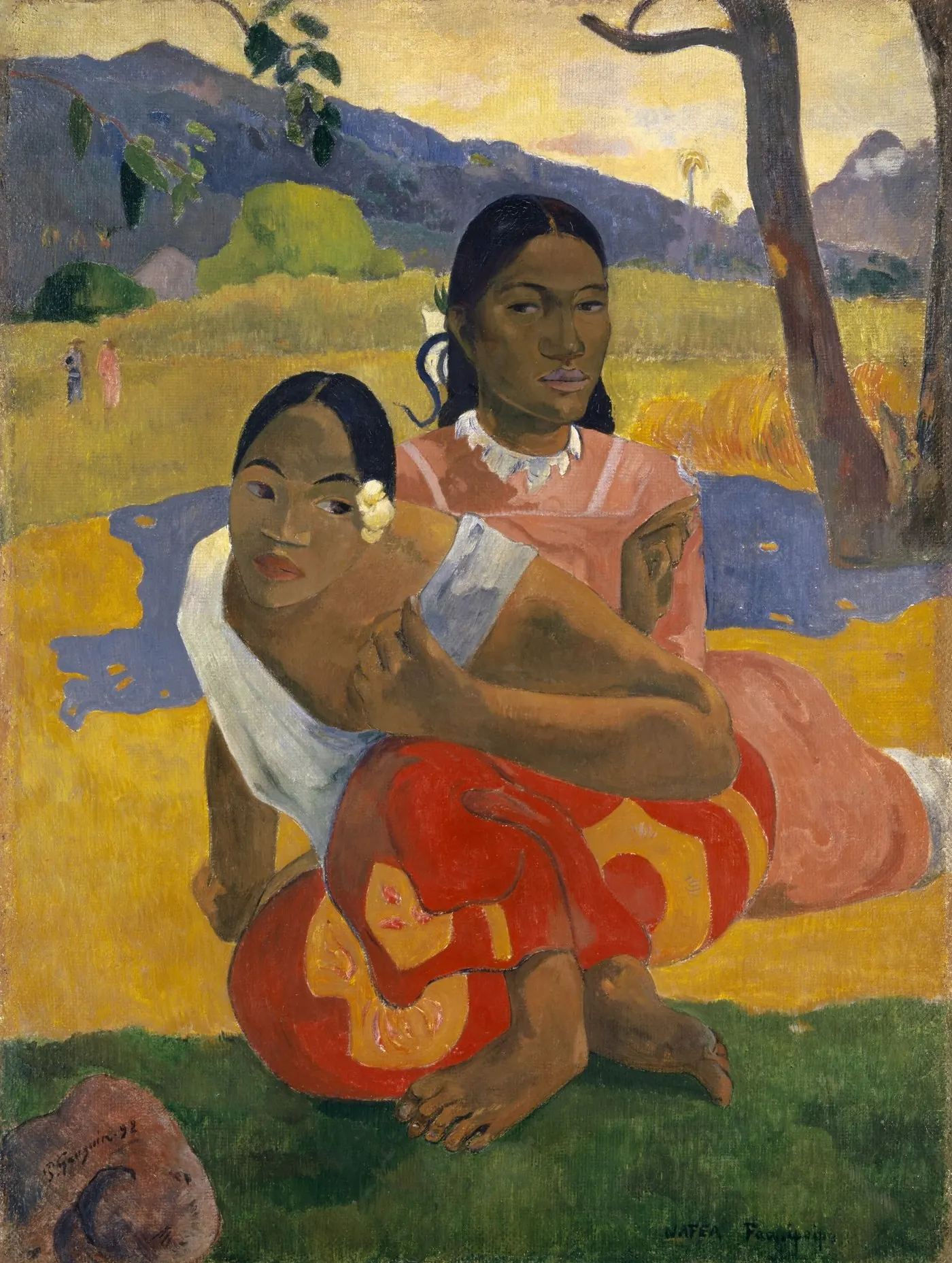
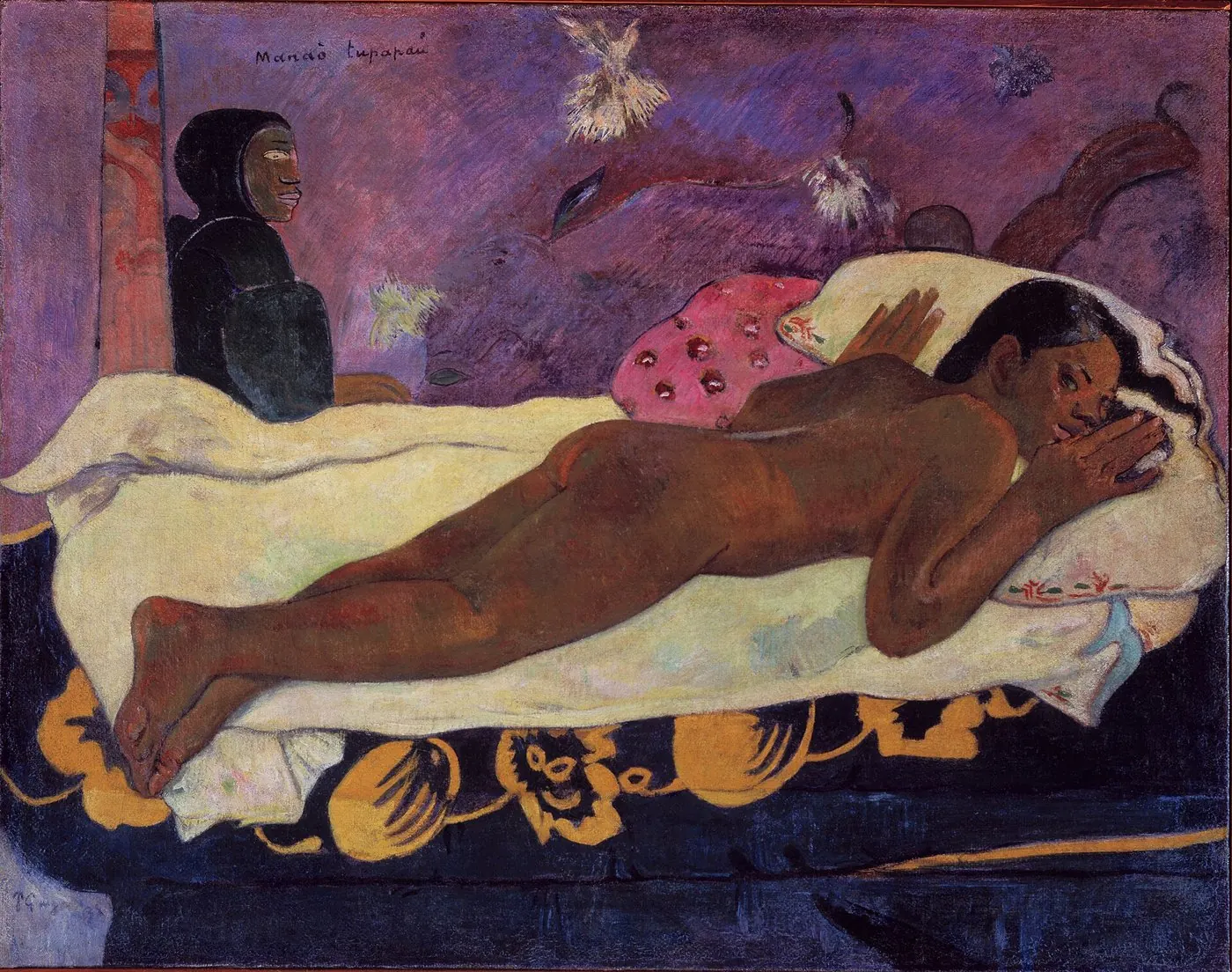
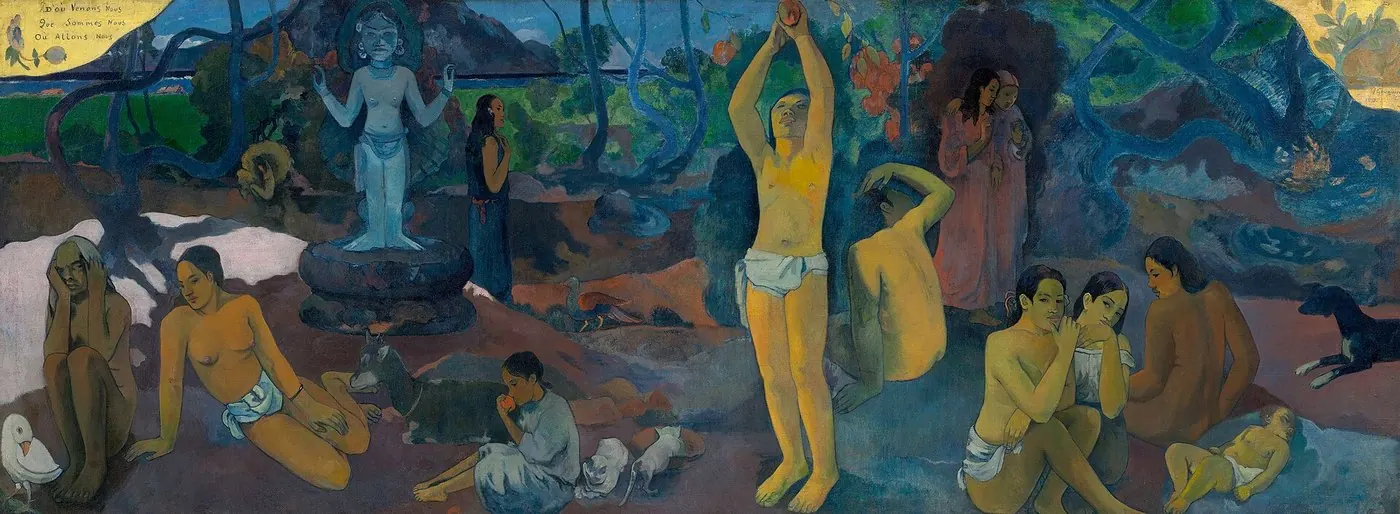
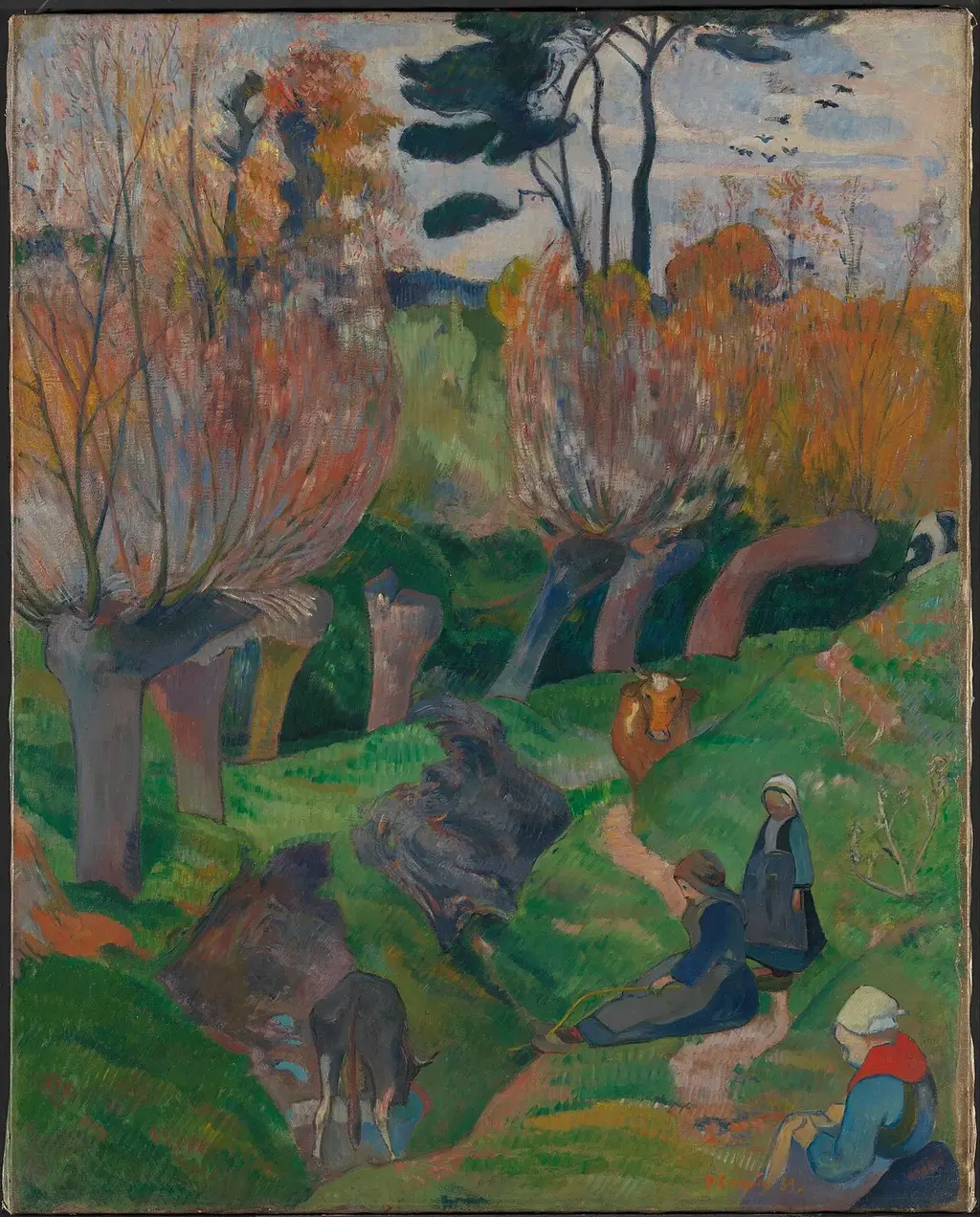
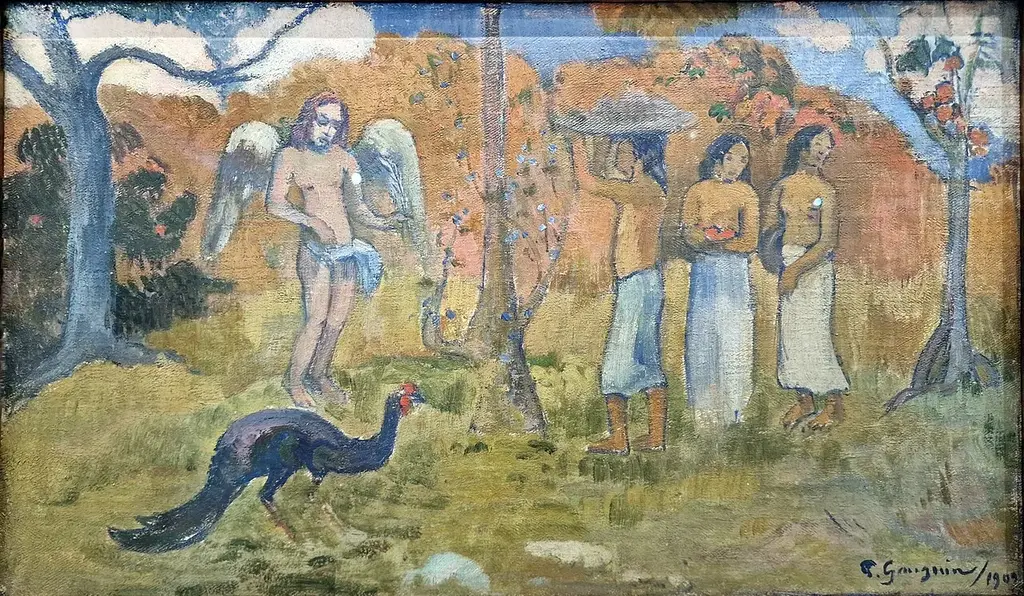
Image credits: reference images come from Wikimedia Commons. Most are reproductions of public-domain works; a few are used under a Creative Commons licence. Open any painting for its author attribution, licence and source link.