Master Artist
Caravaggio
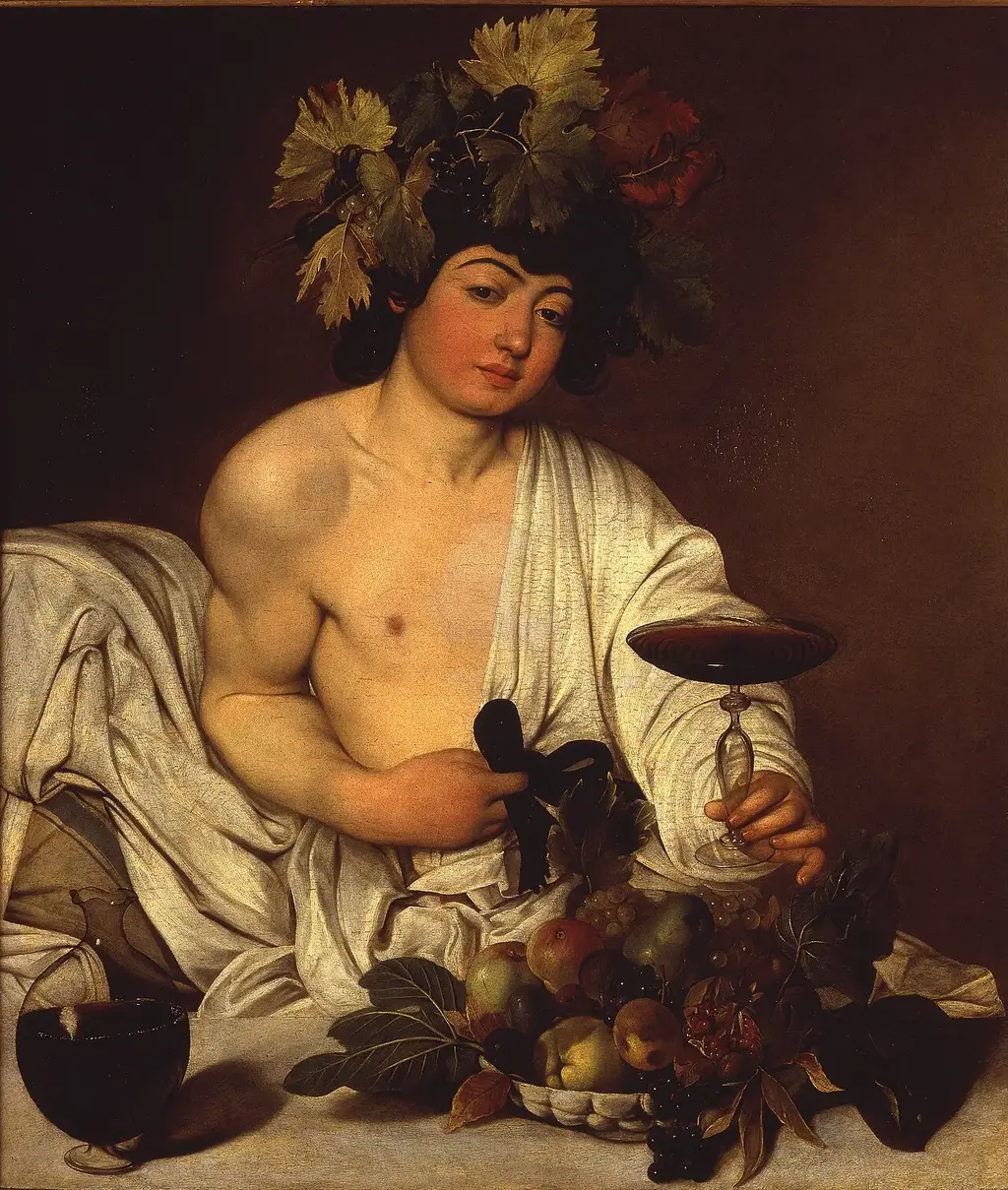
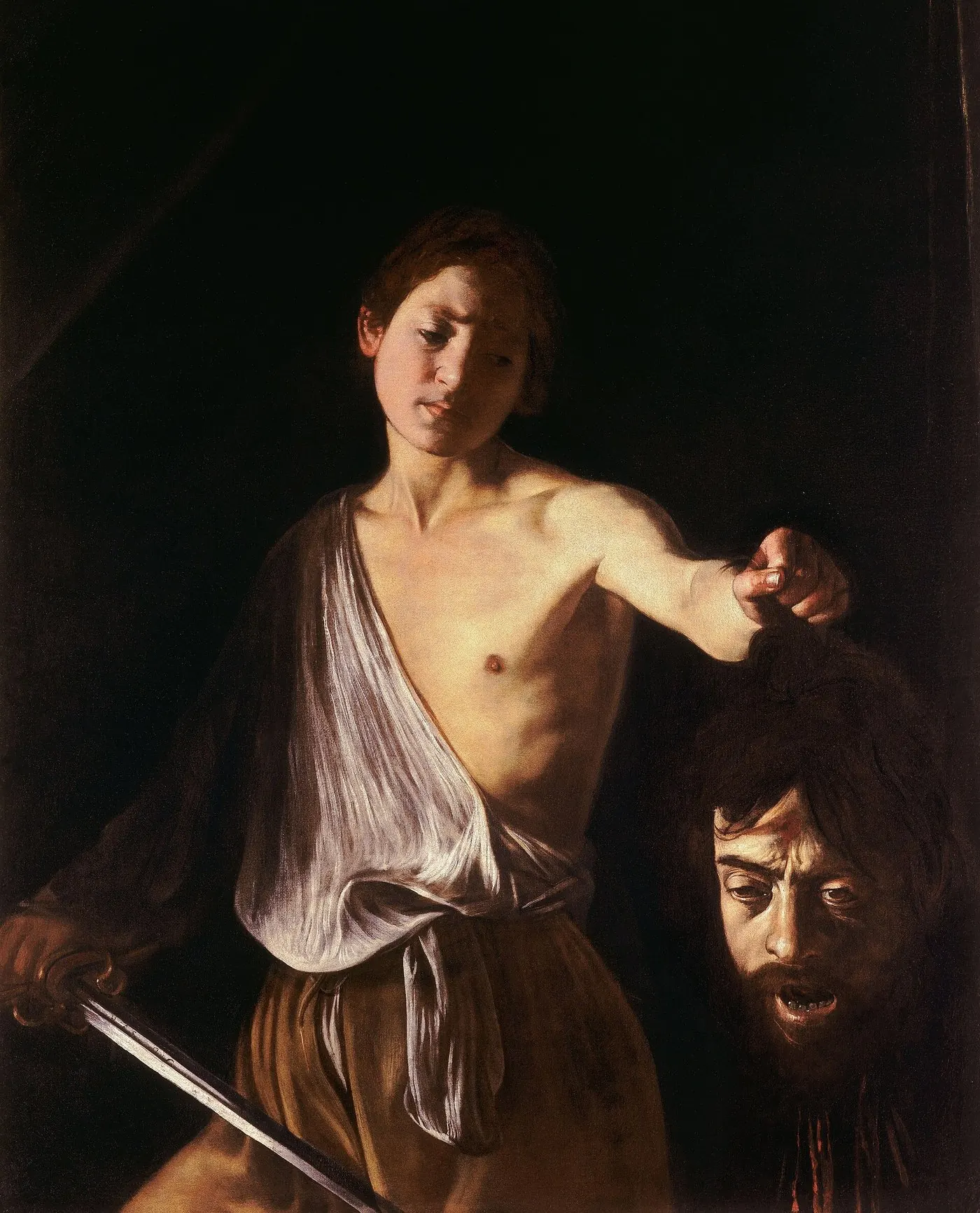
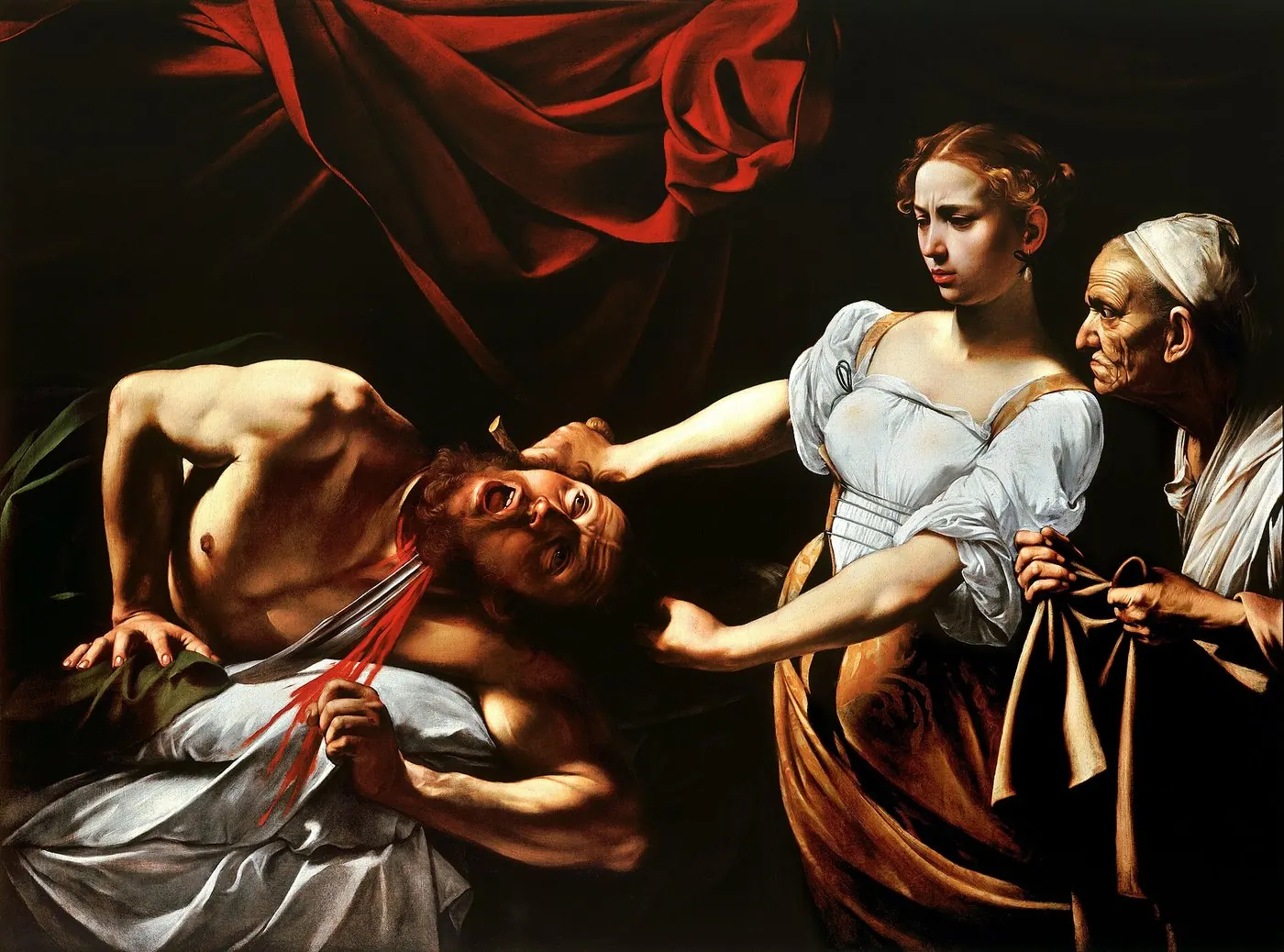
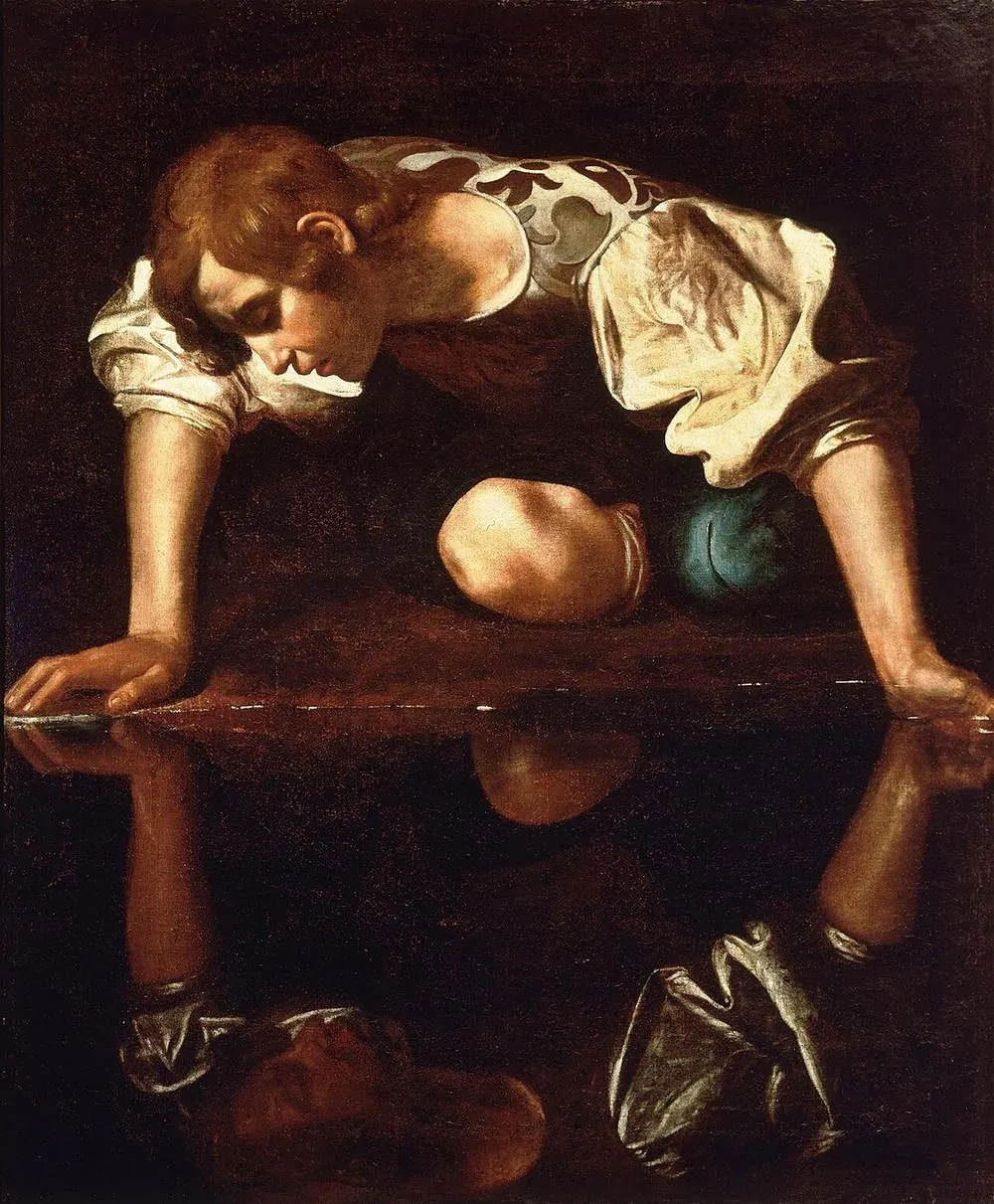
Oil repaintings of Caravaggio's canvases by senior artists working in Dafen Oil Painting Village. Brushwork built up in layers by hand — not printed, not a transfer. Tell us the size and we will quote it.
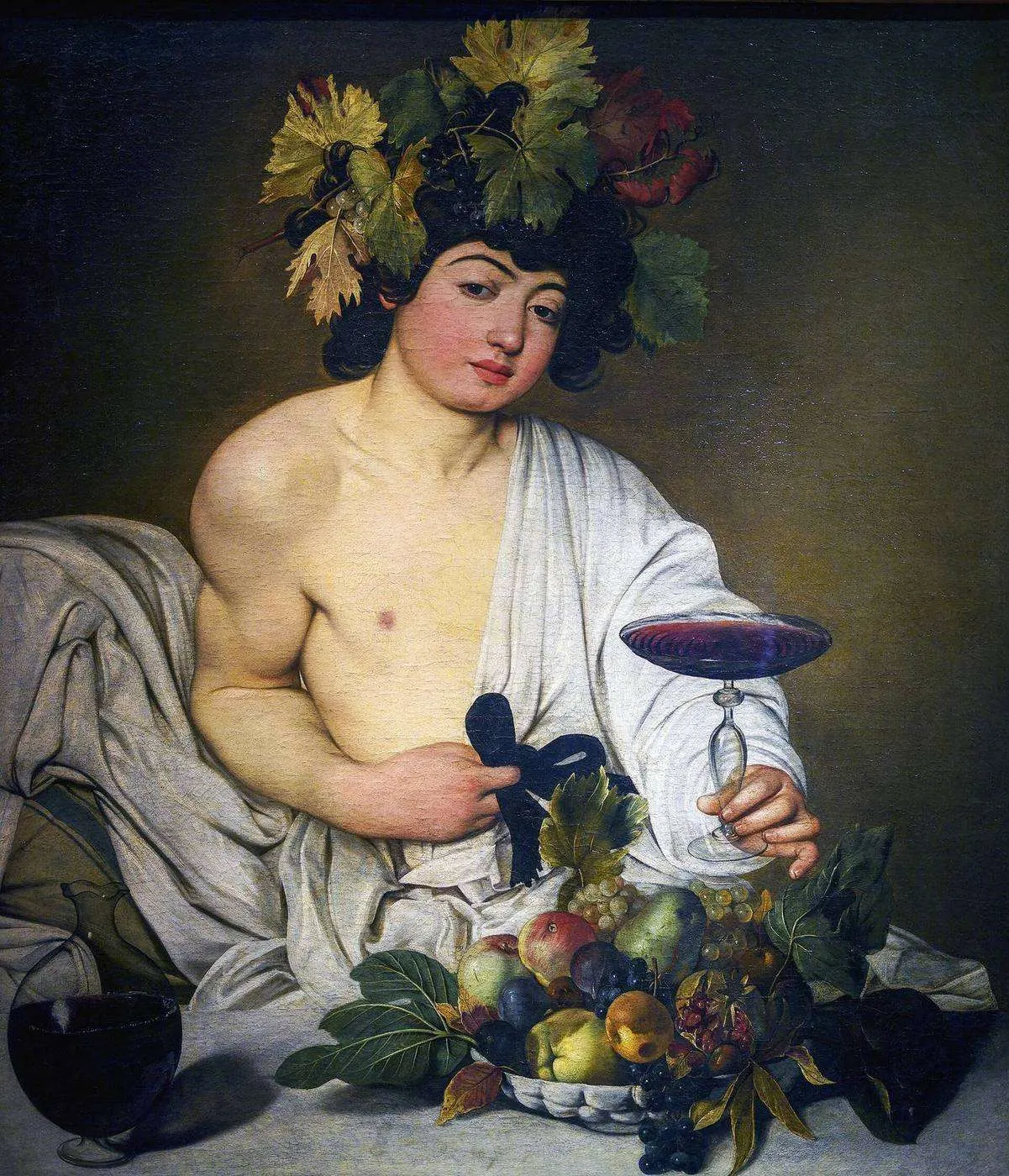
Oil repaintings of Caravaggio's canvases by senior artists working in Dafen Oil Painting Village. Brushwork built up in layers by hand — not printed, not a transfer. Tell us the size and we will quote it.
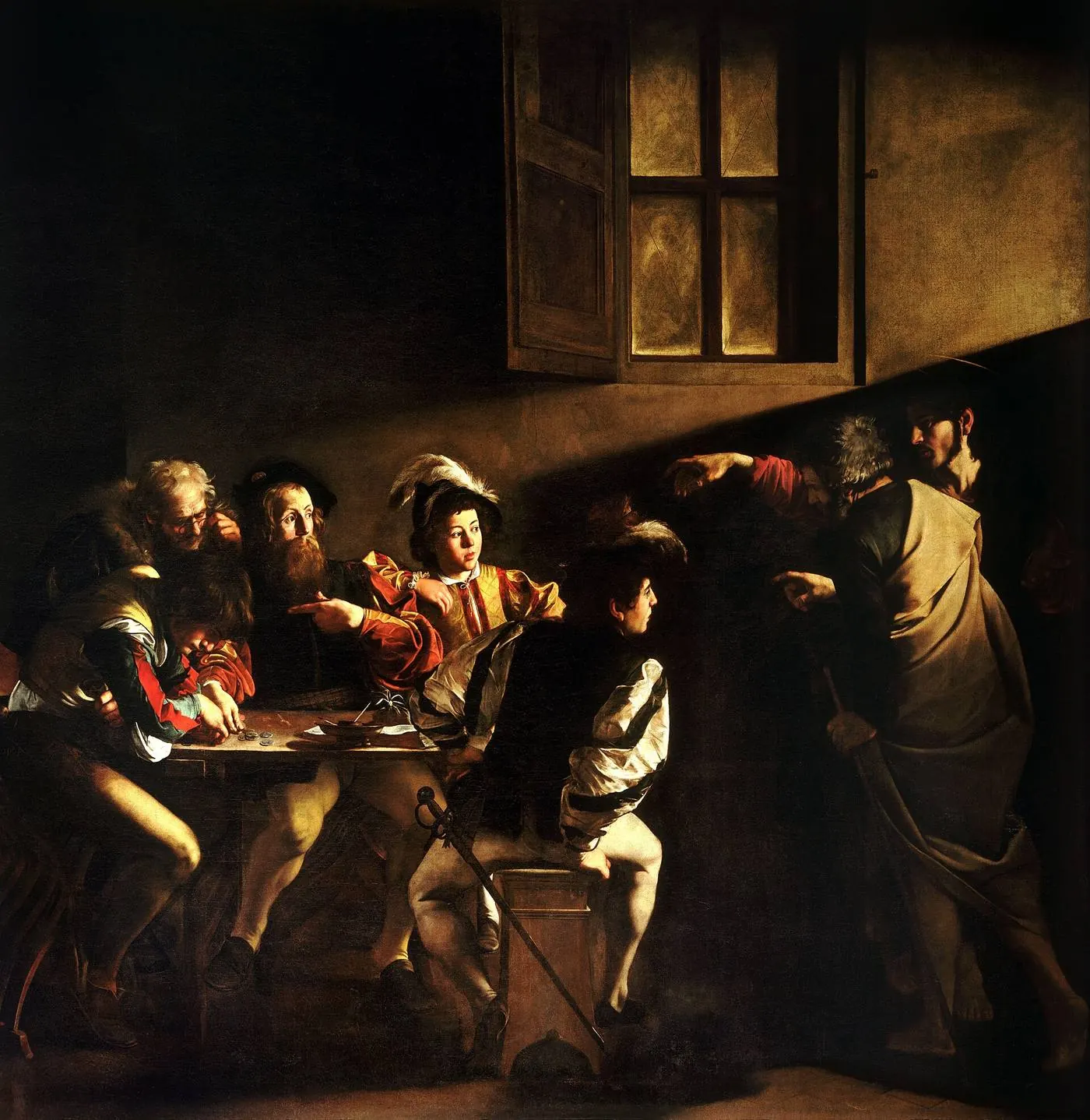
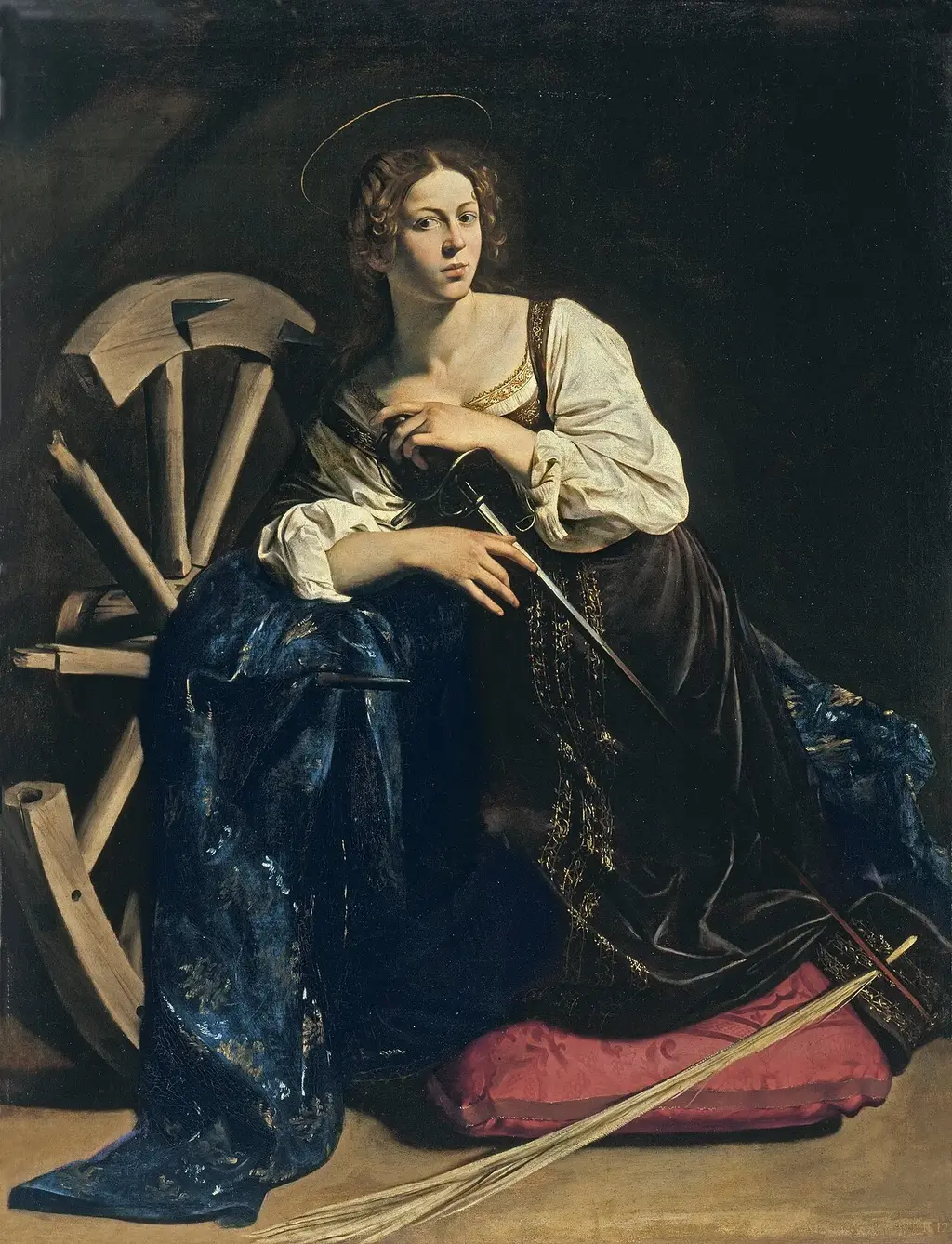
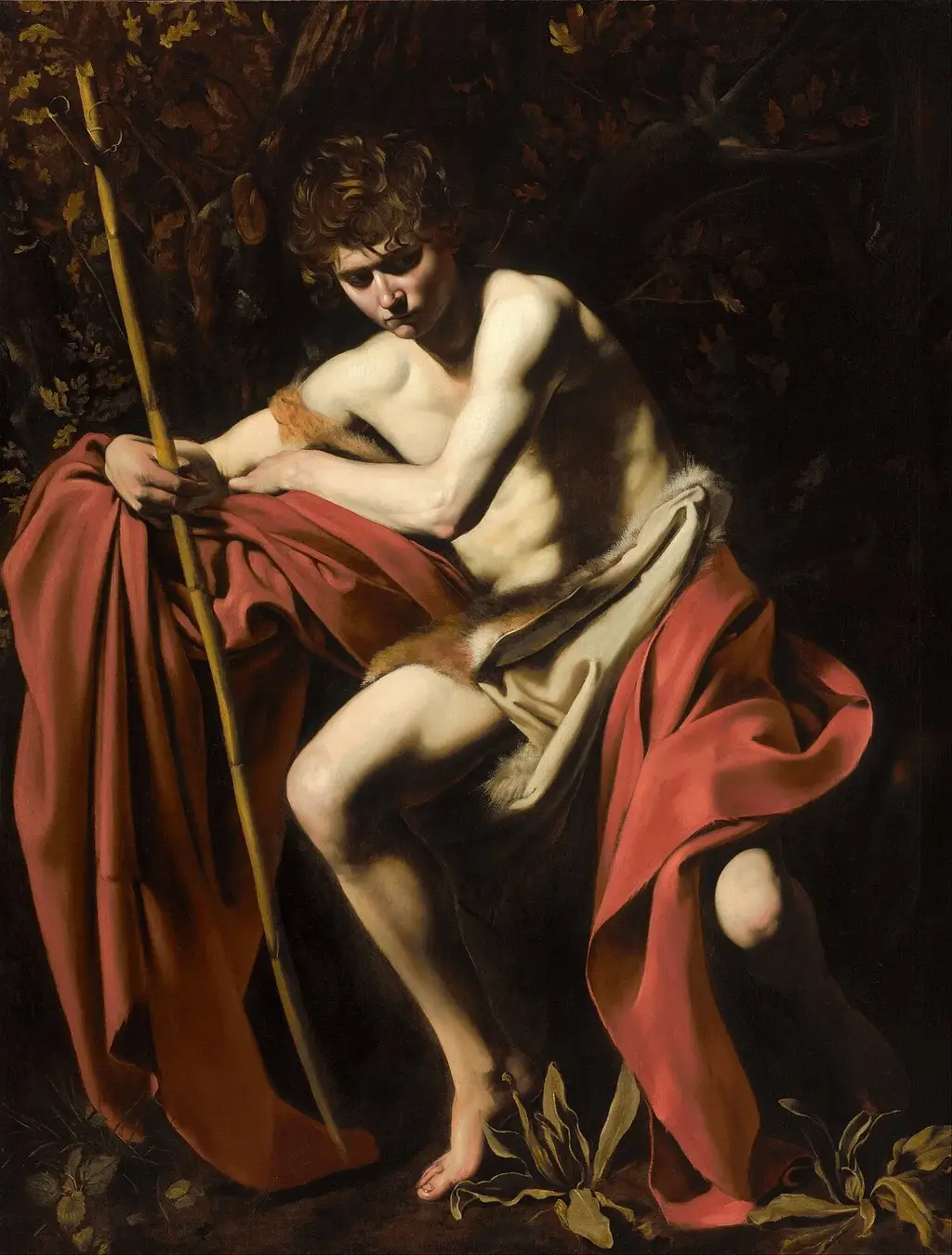
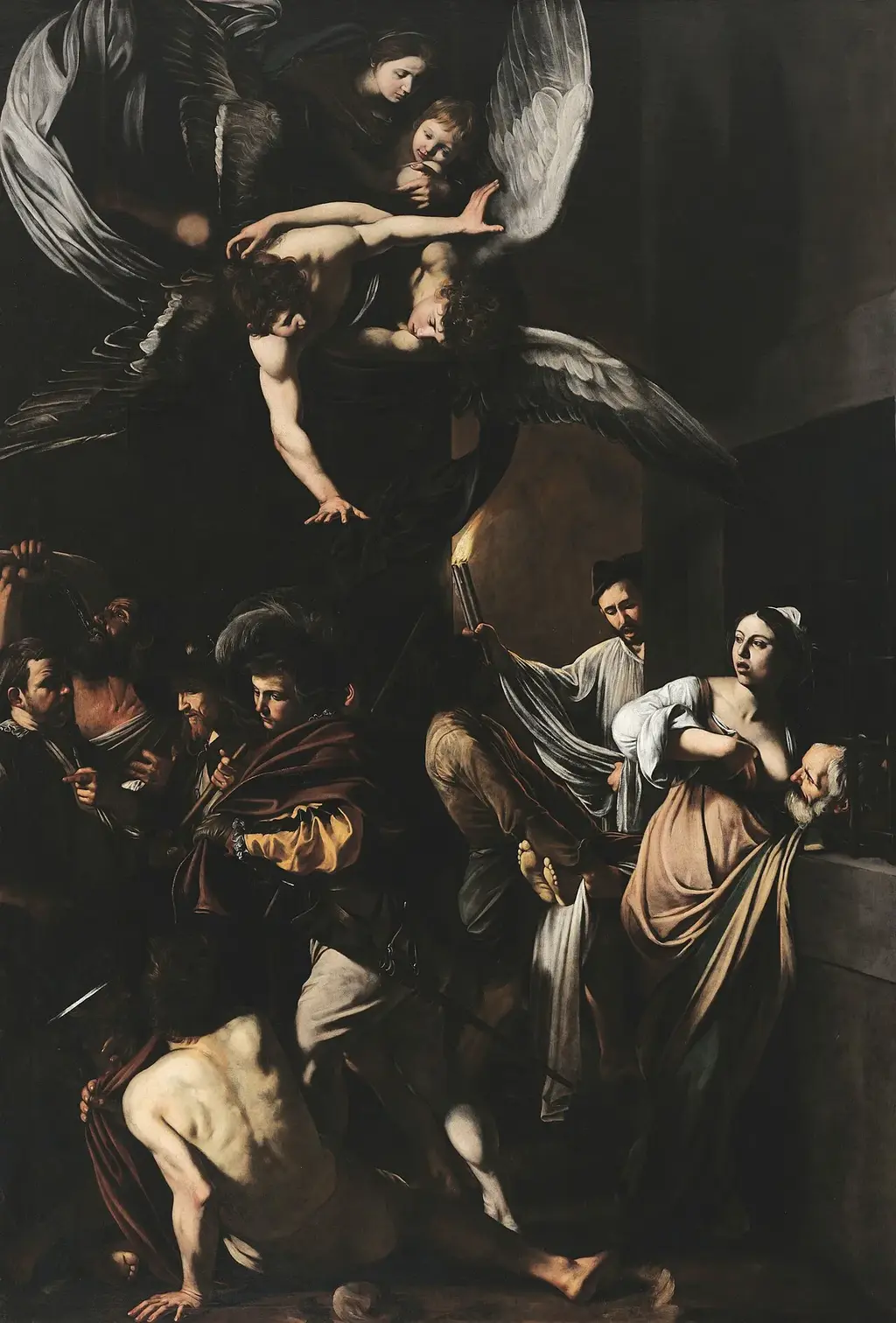
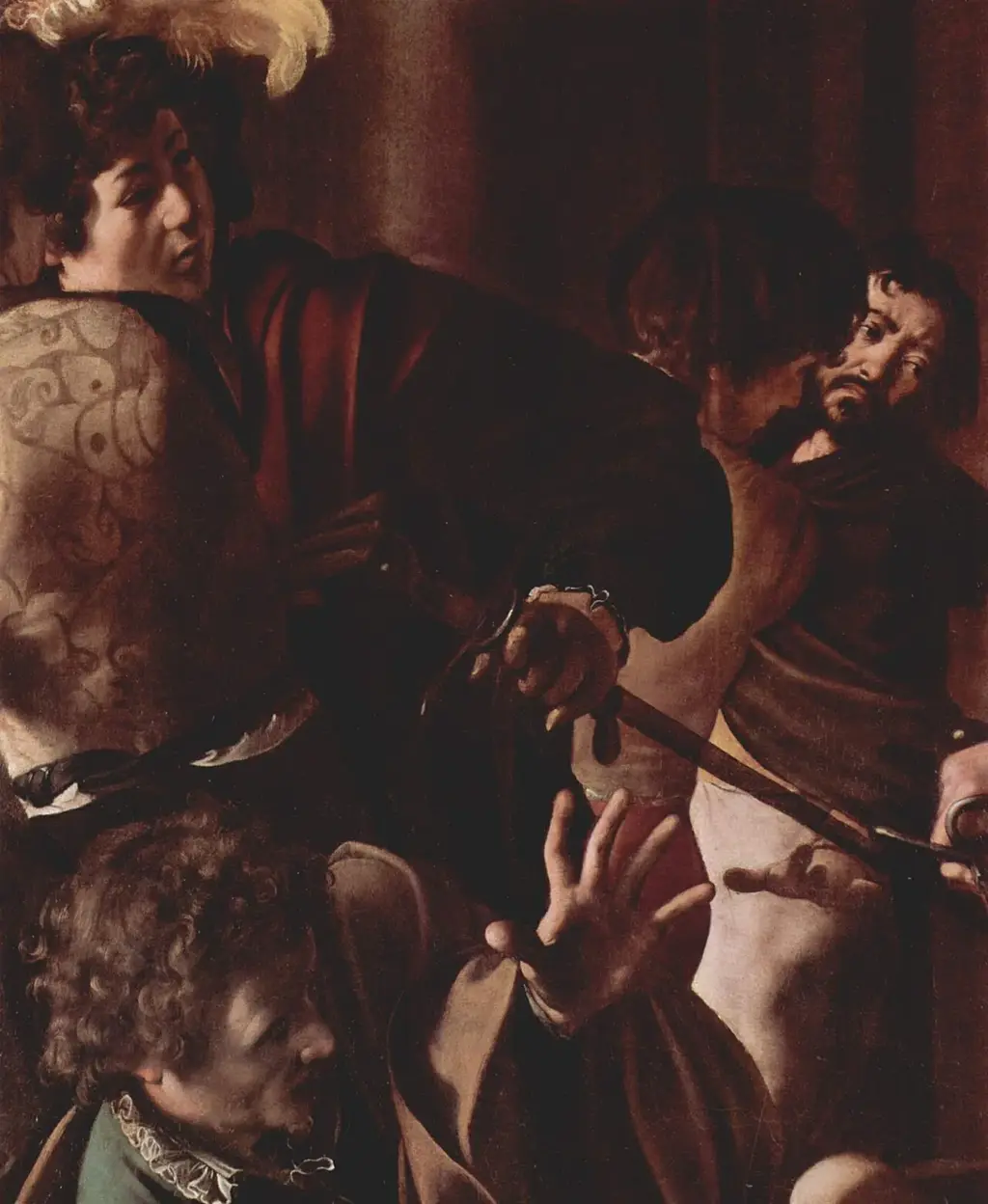
Caravaggio worked in Rome between roughly 1592 and 1607, and he broke every rule his training gave him. He made almost no preparatory drawings. Instead he scratched the key lines of a composition directly into a dark priming and painted straight onto them, working from models he found in the street, in taverns and among the poor — fishermen, card sharps, boys dressed as angels.
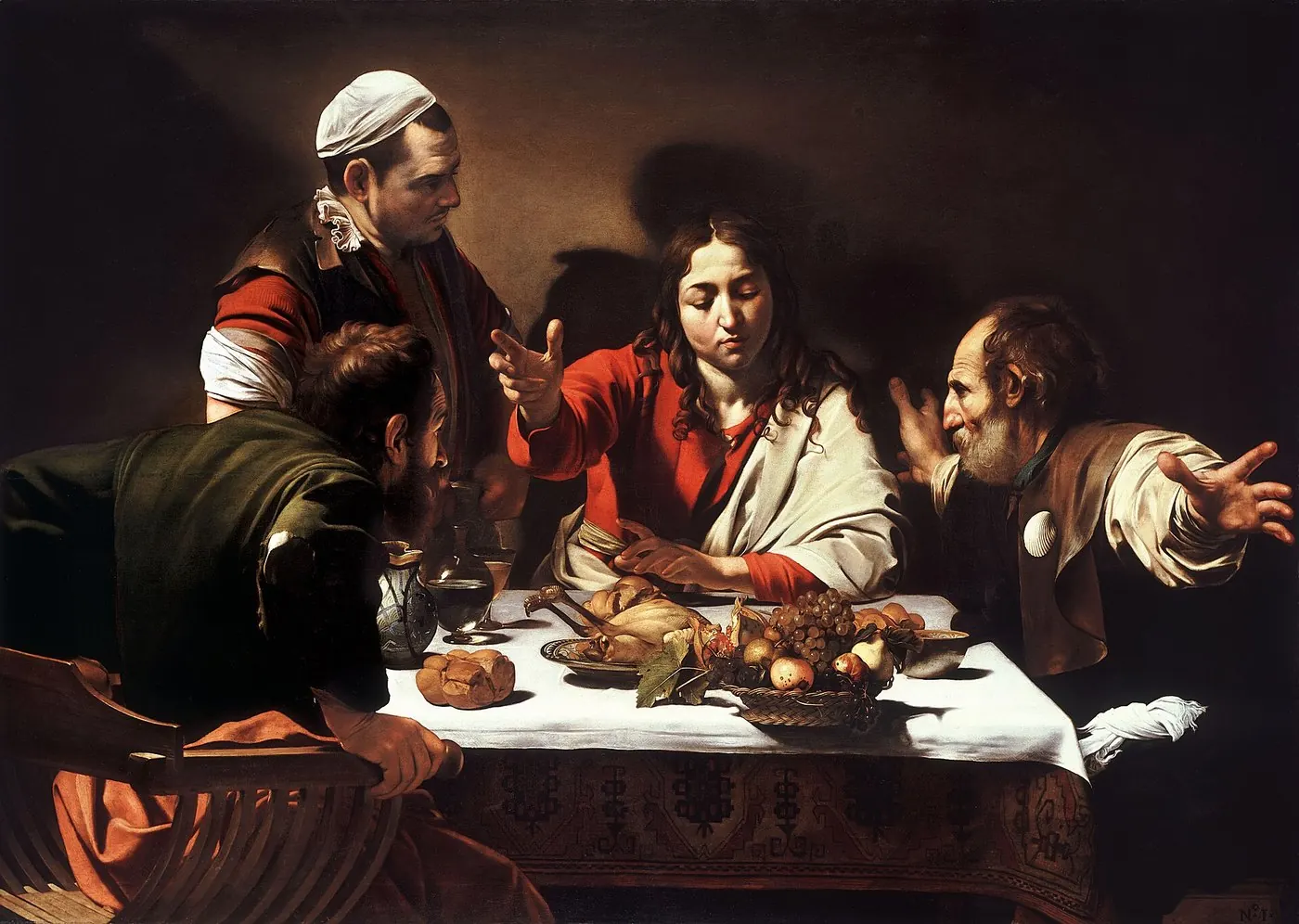
That method produced two things that have never stopped being copied badly: absolute physical presence, and a light that behaves like a spotlight in a dark room. One high window, one direction of light, no reflected fill. Everything outside that cone simply disappears into brown-black. Later painters called it tenebrism, and the whole of European painting spent the next fifty years arguing about it.
The trap is not drawing — it is restraint. The instinct of anyone working from a photograph is to lift the shadows so you can see what is in them. Caravaggio's shadows have almost nothing in them. Lift them and you get a busy, grey, ordinary picture that nobody would ever mistake for him.
Our painters work from the dark, not into it. The canvas is grounded dark, the composition is blocked in thin earth colour, and light is added last, in lead white and lead-tin yellow laid thick enough to catch real light off the surface. That order is the only way the dark stays thin and luminous instead of turning into flat black paint.
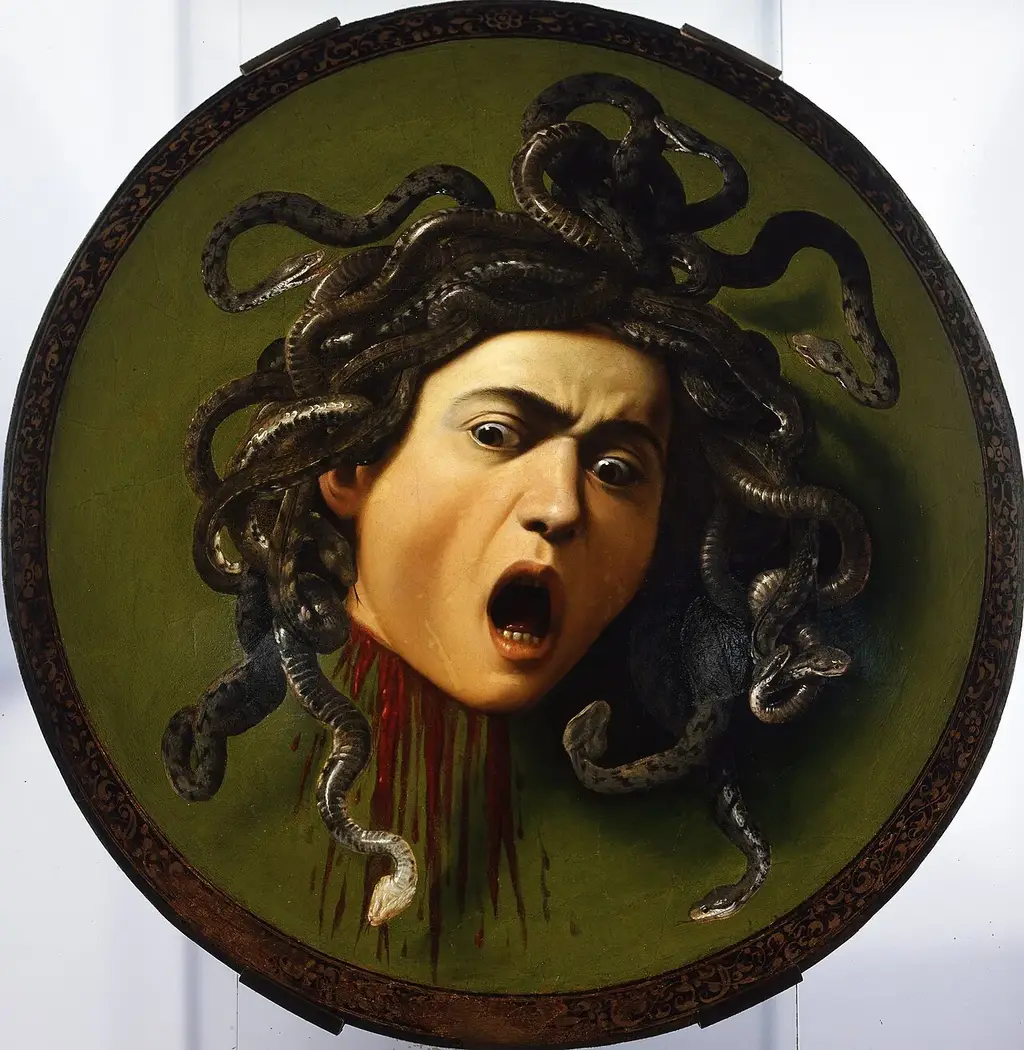
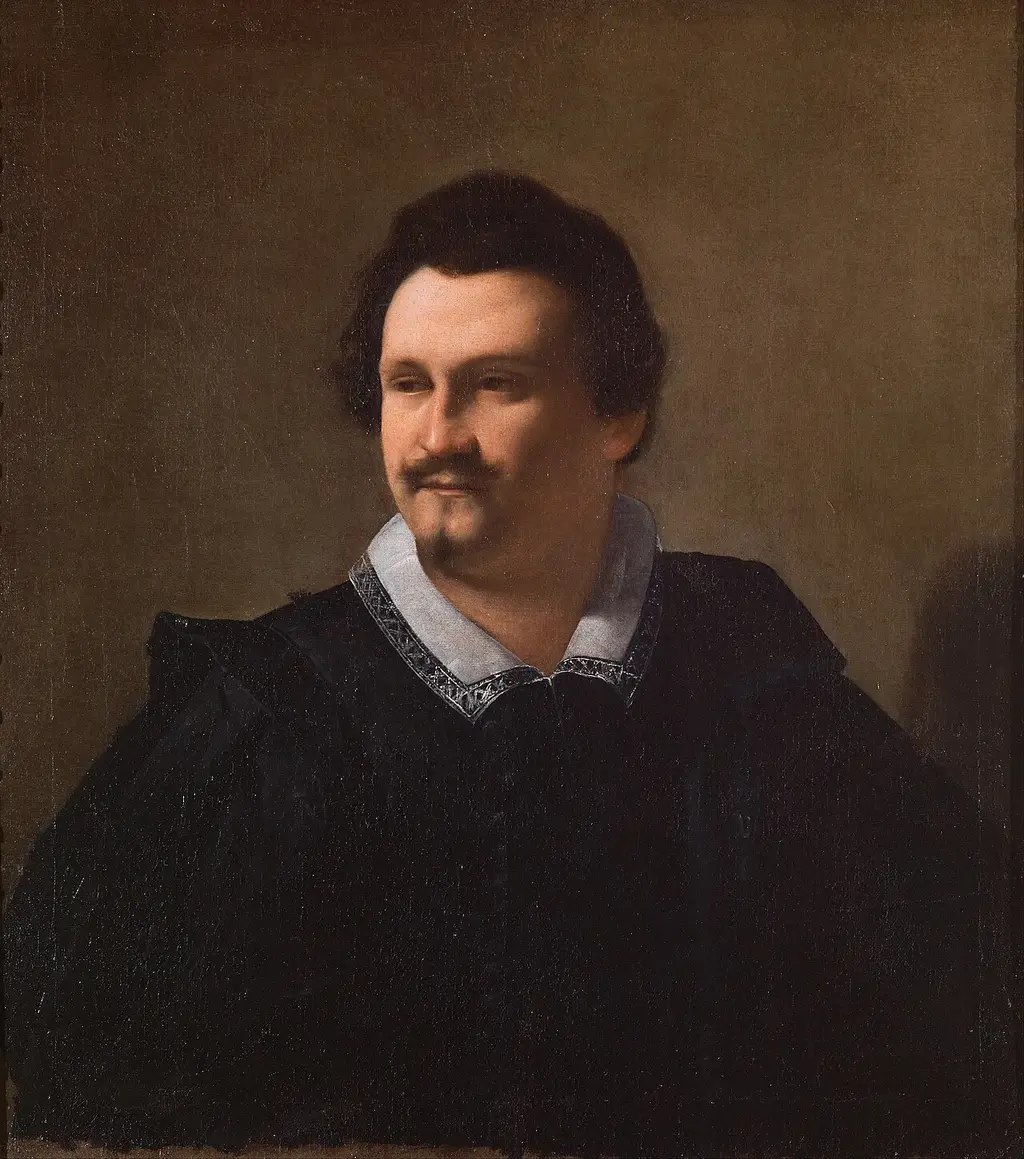
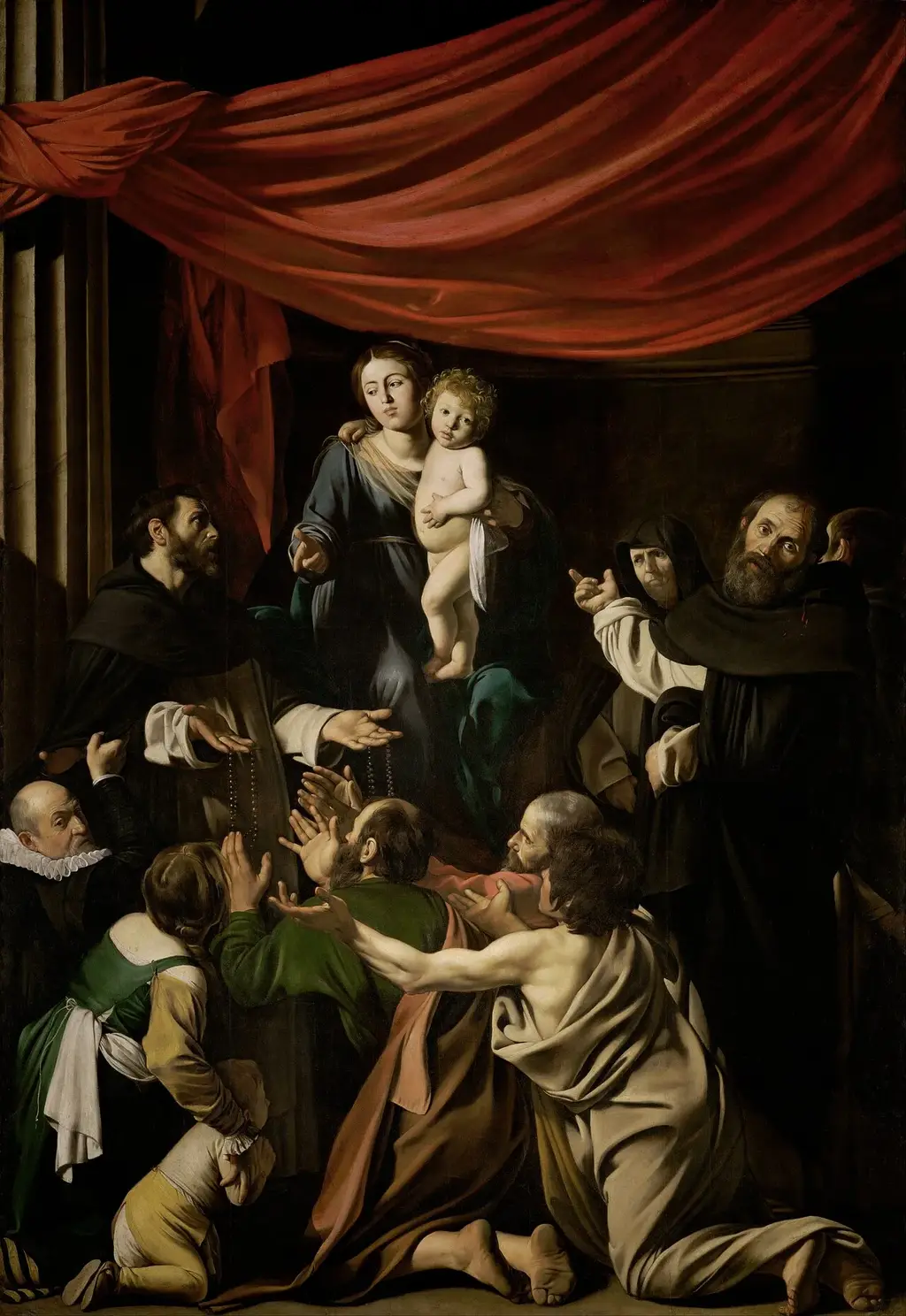
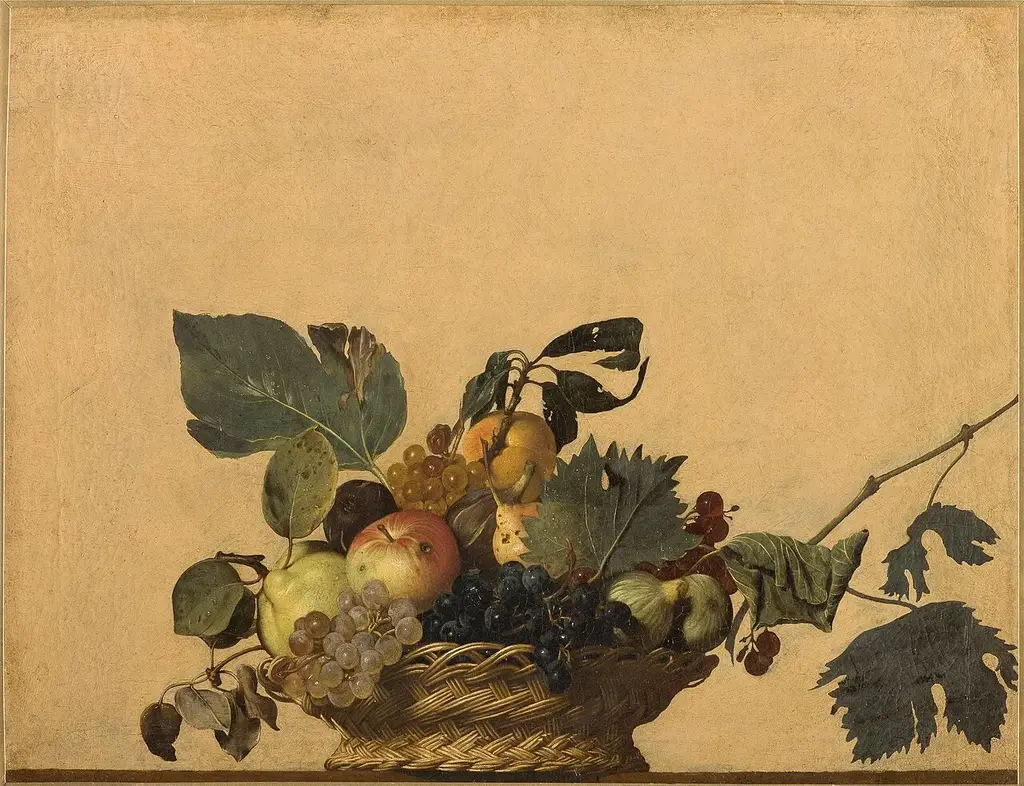
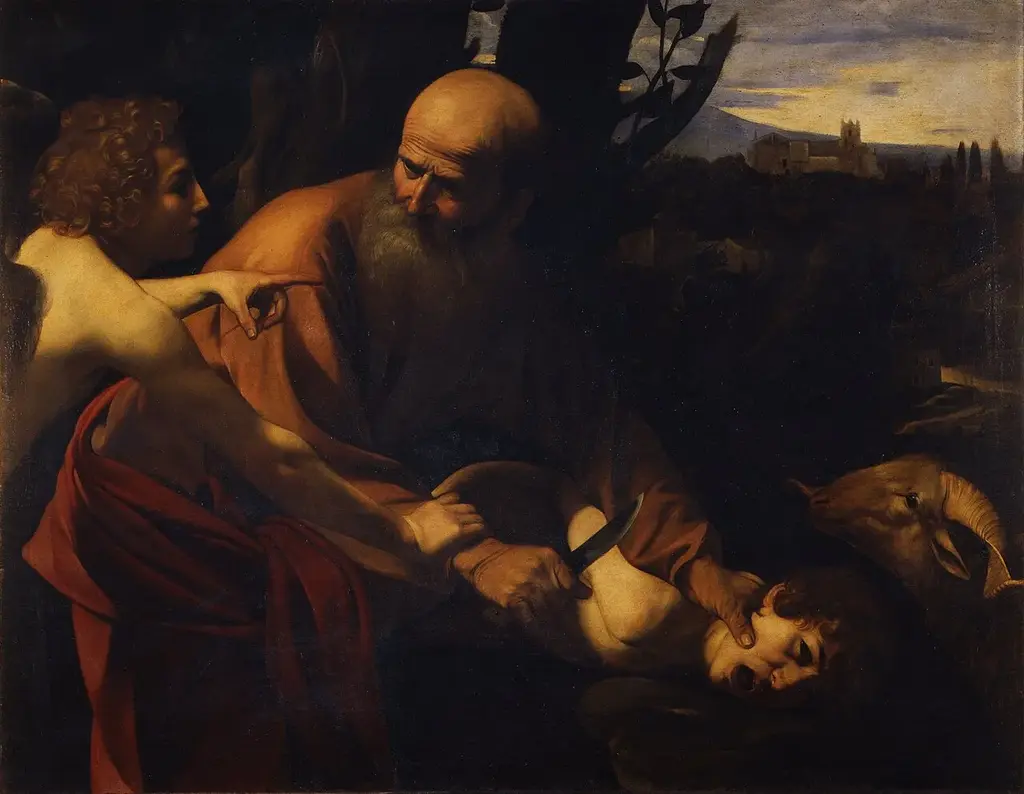
All six were painted to be seen in churches and private rooms at eye level, so the light in them comes from above and to one side. On a modern wall that reads best above a console, a sideboard or a fireplace, with a lamp placed above rather than in front. Because our painters work freehand from reference, we can also hold the original proportions or crop to your wall without stretching the figures.
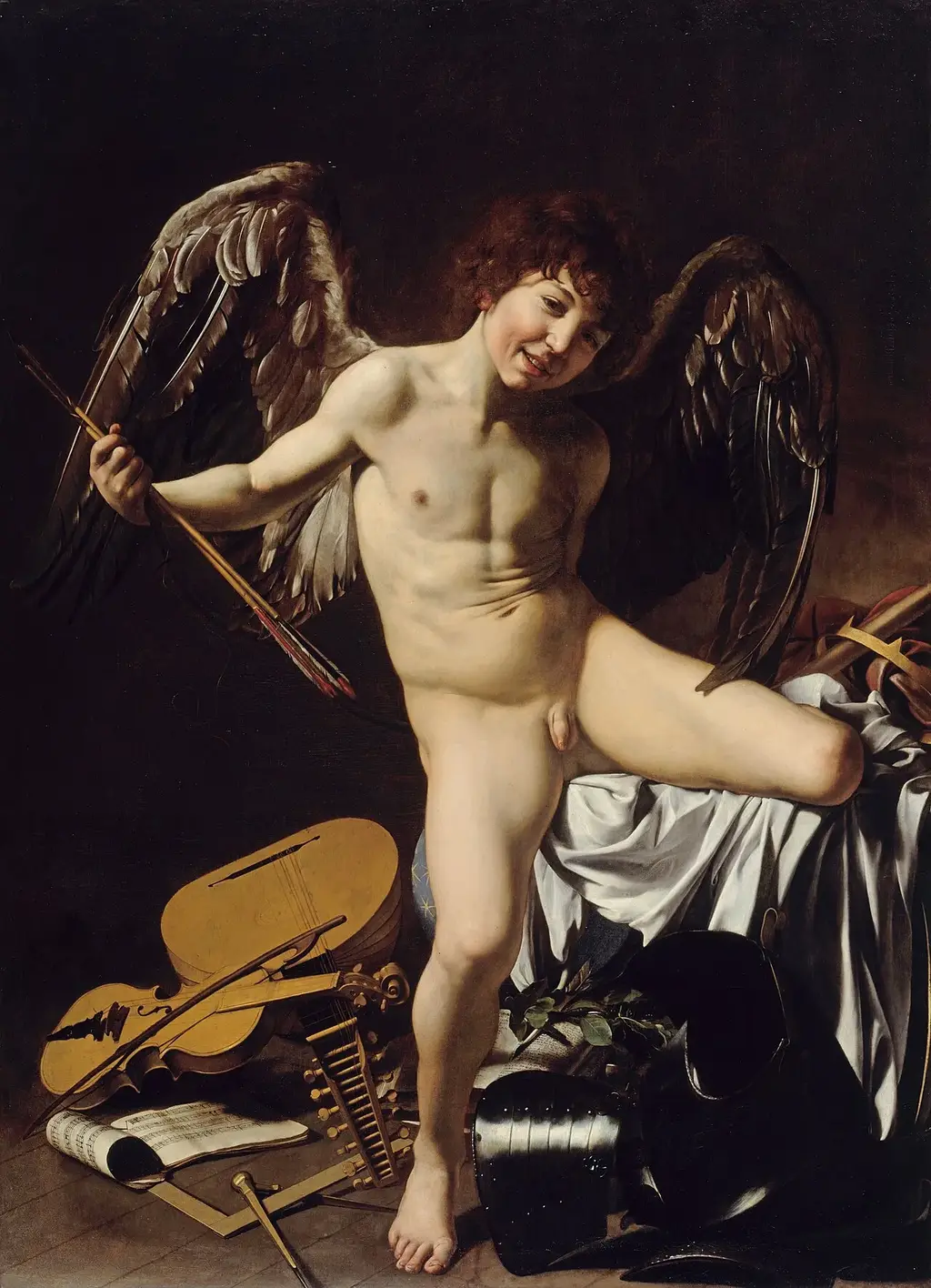
Yes. Any of his works can be reproduced legally, and there are roughly seventy attributed paintings — Diana, Amor Victorious, the Naples and Malta altarpieces among them. Send us the title or a reference image.
Because several were painted twice — the Contarelli Chapel version and the later versions differ in lighting — and because four centuries of yellowed varnish have changed how we see them today. Tell us which version you prefer, or whether you want the cleaned appearance, and we will match that.
9–15 days of studio time for these, mostly because each layer of shadow has to dry before the next can go over it. Then another few days for the oil to set hard enough to photograph and pack.
Choose the painting above, or send any Caravaggio reference image you have in mind.
Standard sizes or made exactly to your wall. Stretched, rolled in a tube, or framed.
We photograph the finished canvas for approval, adjust anything you want changed, then pack it for export.
Signed on request, shipped with a certificate of origin. Quotations answered within 24 hours on WhatsApp.
Tell us the title and the size you need.
A working studio inside Dafen Oil Painting Village, Shenzhen — since 2016. Every line below runs through the same floor and the same WhatsApp number.
All 17 Caravaggio reproductions in the catalogue — painted to order in oil on canvas, any size, any frame.