The living room is the hardest wall in the house — it is the biggest, the most looked at, and the one with the least predictable light. Below is how we actually size and choose for it, plus canvases that have worked on real walls.

The Starry Night
Vincent van Gogh
Hand-painted · any size
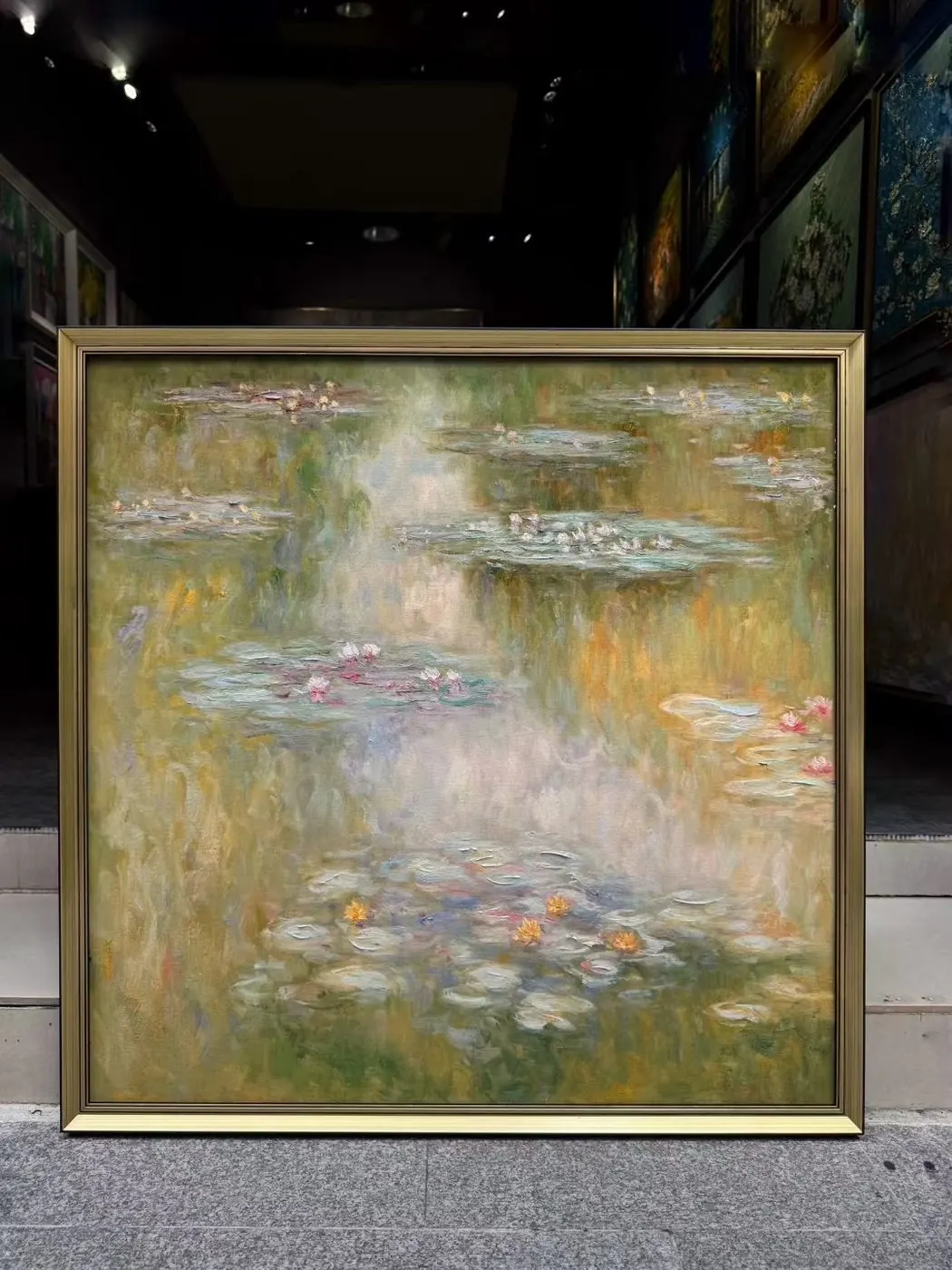
Water Lilies
Claude Monet
Hand-painted · any size
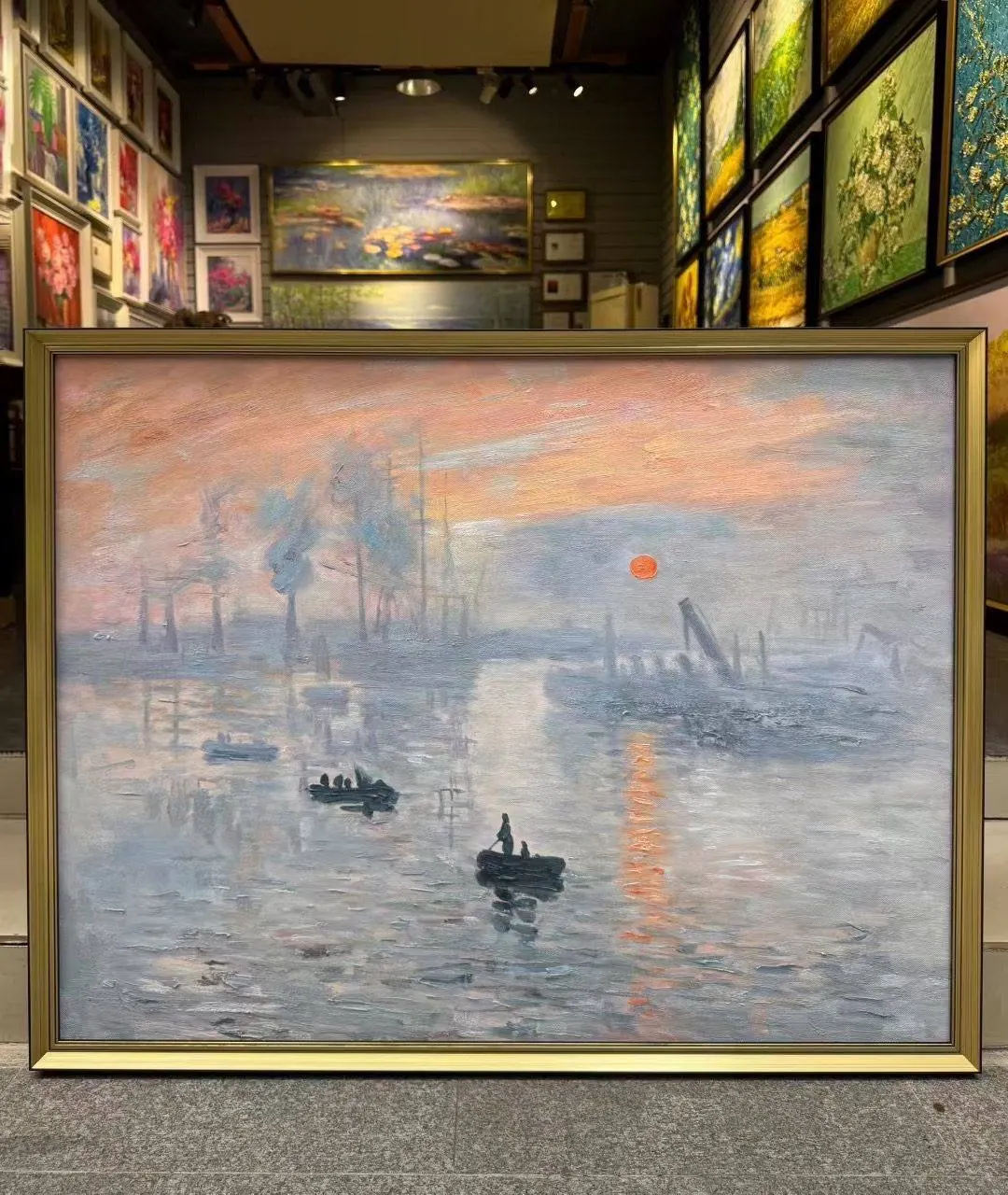
Impression, Sunrise
Claude Monet
Hand-painted · any size
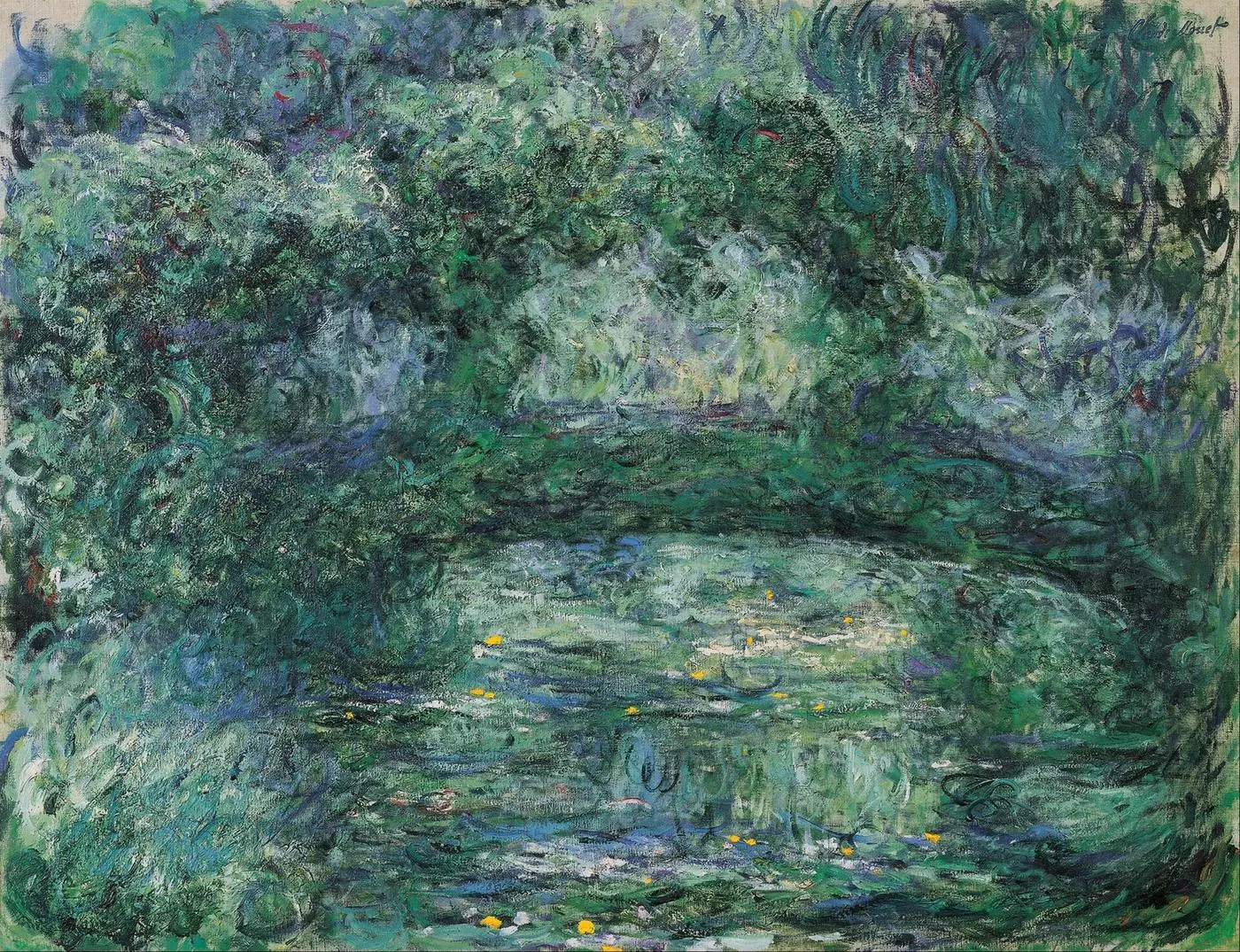
The Japanese Bridge
Claude Monet
Hand-painted · any size
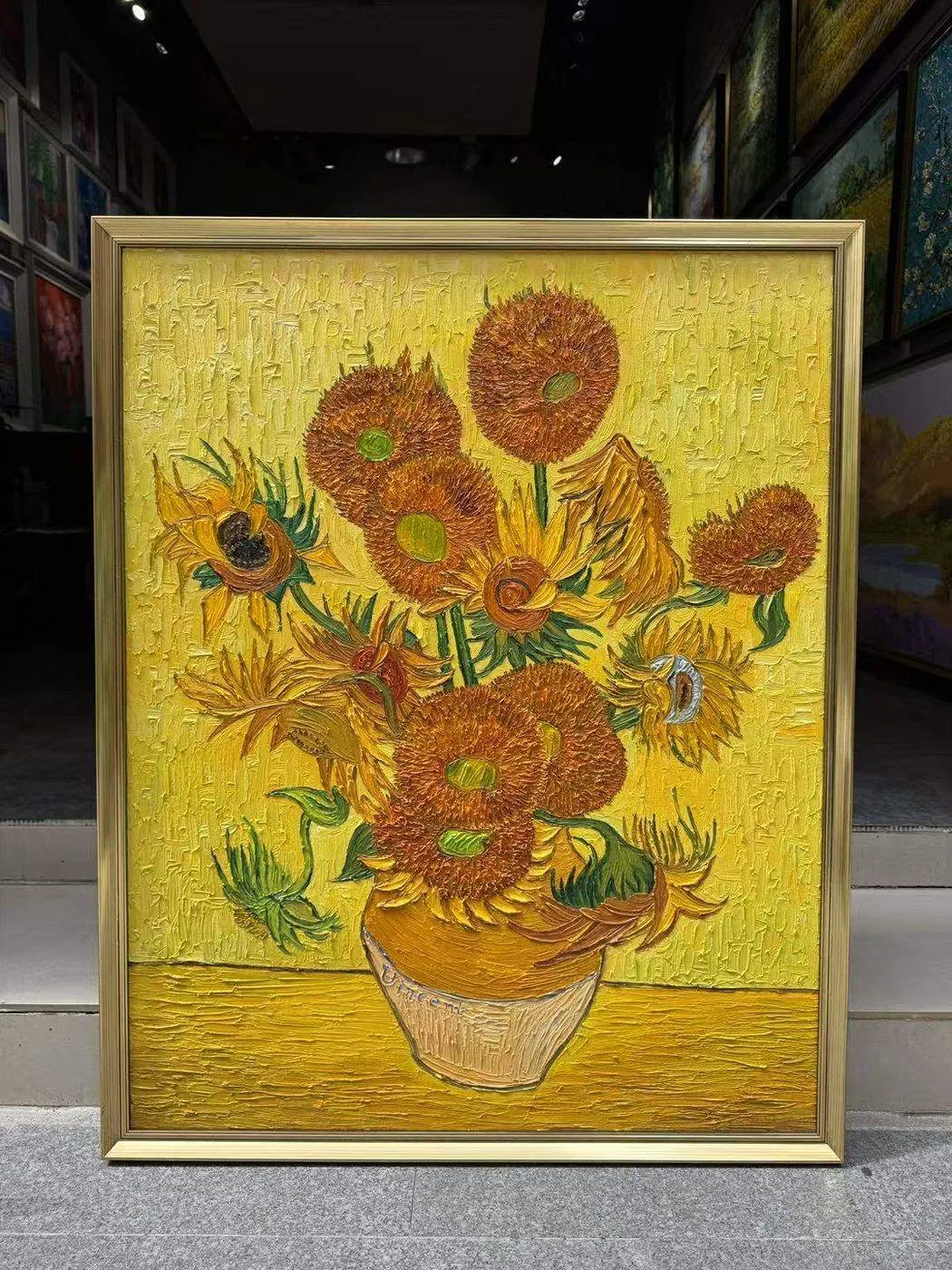
Sunflowers
Vincent van Gogh
Hand-painted · any size
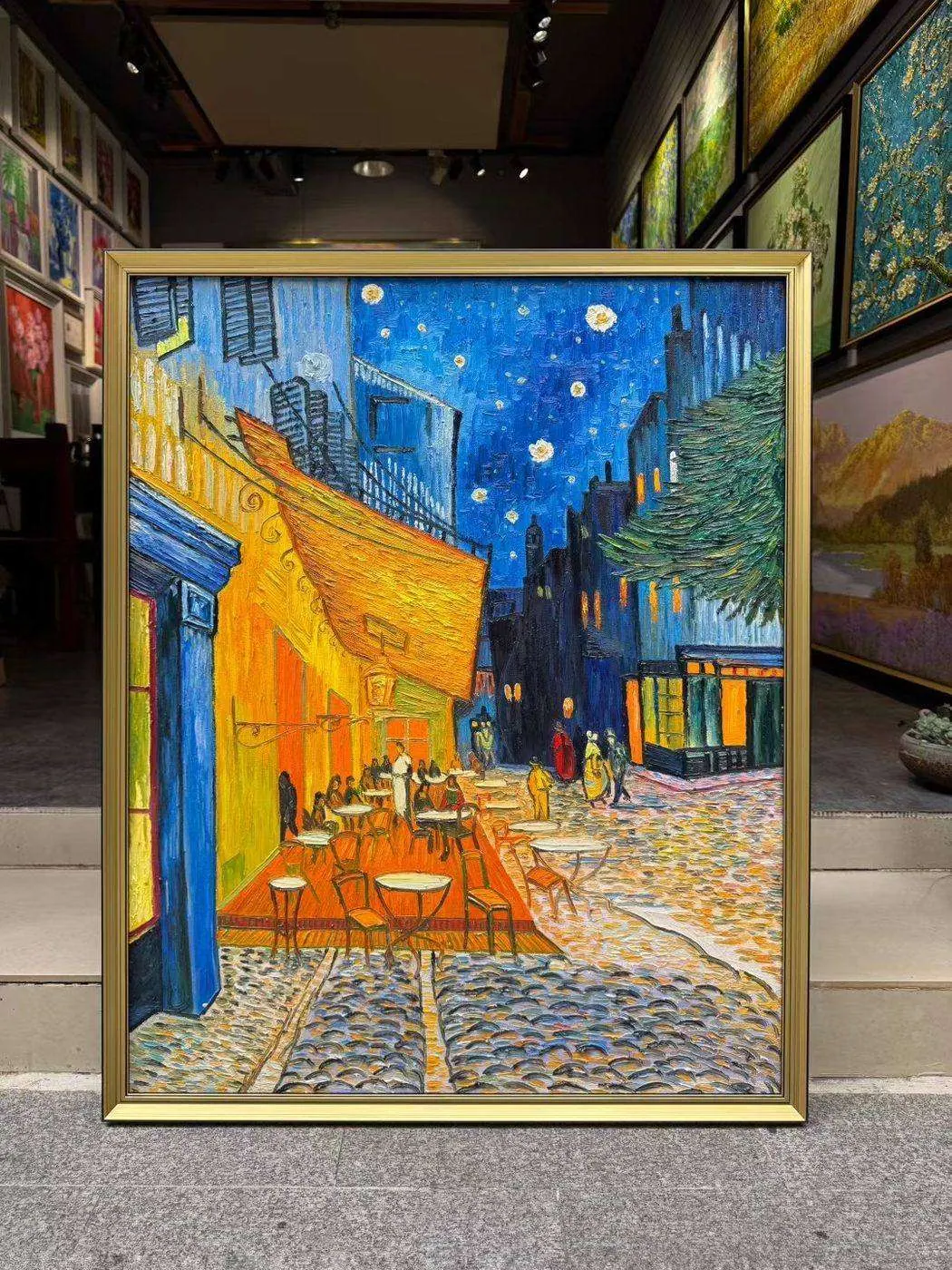
Café Terrace at Night
Vincent van Gogh
Hand-painted · any size
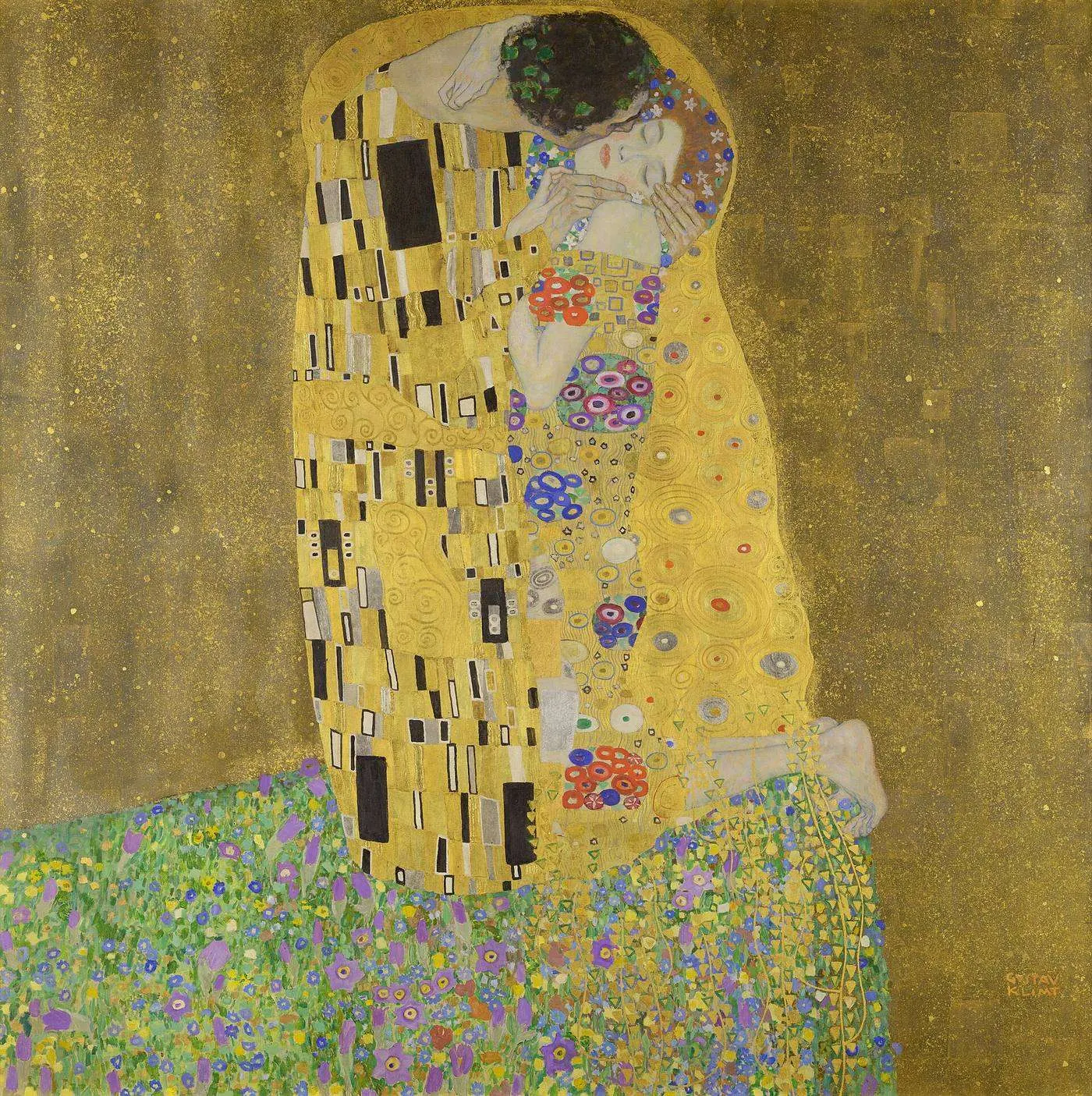
The Kiss
Gustav Klimt
Hand-painted · any size
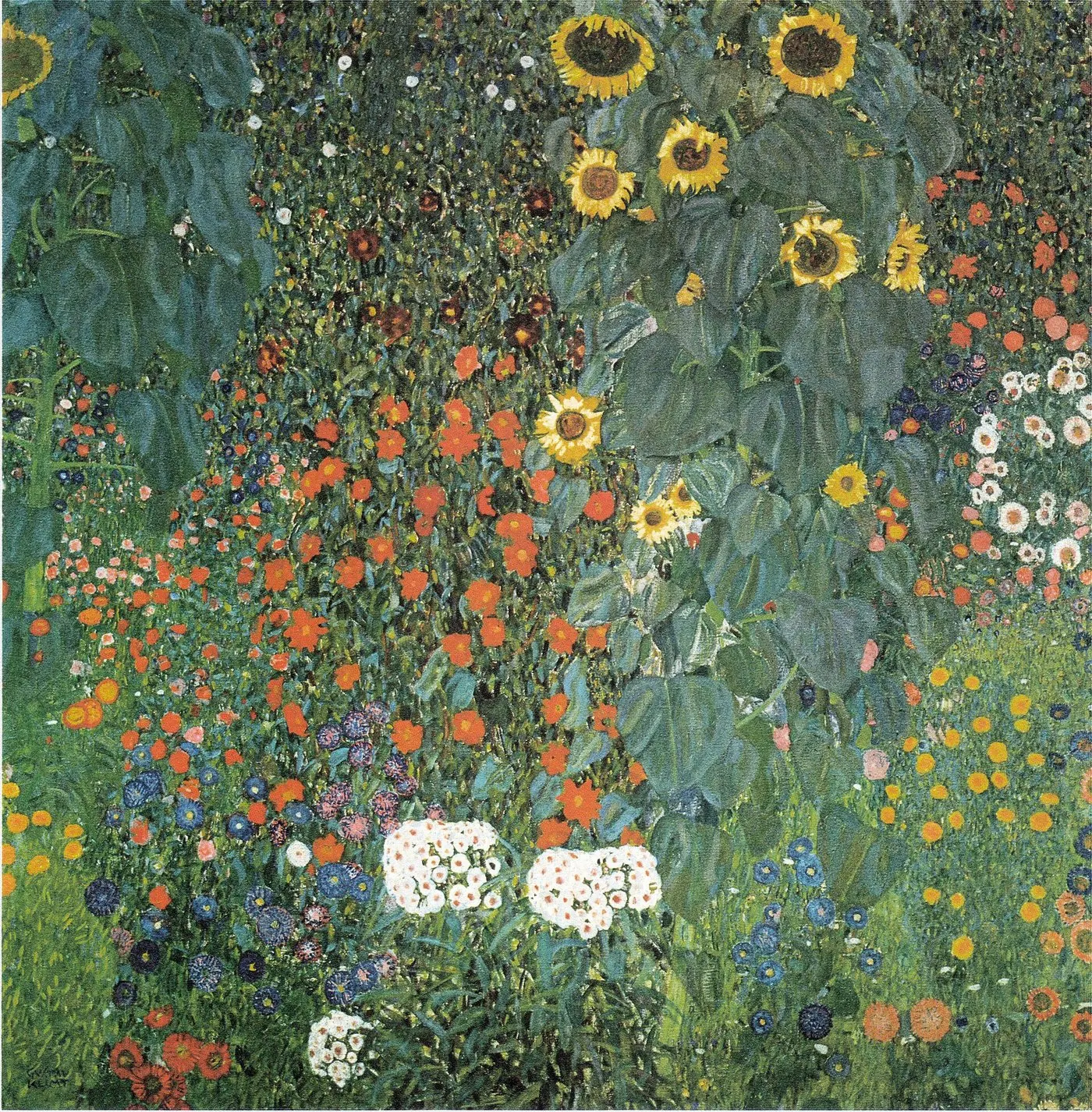
Farm Garden with Sunflowers
Gustav Klimt
Hand-painted · any size
Hand-painted to order in Dafen Oil Painting Village. Every canvas is painted from scratch, so brushwork varies slightly from piece to piece.
For a painting above a sofa, aim for a canvas roughly two-thirds the width of the sofa. A 210 cm sofa wants about 140 cm of canvas. Go wider and it reads as a mural; go narrower and the wall looks unfinished rather than calm. Leave 15–20 cm between the top of the sofa back and the bottom edge of the frame — closer than that and the two pieces of furniture start to look like one object.
Museums hang at 145 cm to the centre of the work, which is roughly eye level for a standing adult. Living rooms are for sitting, and a sofa pushes you further away from the wall than a museum rope does. Most living-room canvases look better with the centre at 140–150 cm, and anything above a low sofa can drop to 135 cm. If the room has a high ceiling, resist the urge to hang high: the ceiling is not what you are looking at.
Oil paint has physical thickness. Under raking light from a window at the side, the ridges of a palette-knife stroke cast small shadows and the surface looks alive. Under flat light from directly in front — a ceiling downlight, or a window straight opposite the wall — the same painting goes almost dead. Before choosing a painting, stand where you normally sit and look at which direction the light comes from. A north-facing wall with even light suits Monet and soft abstracts; a wall that gets low afternoon sun suits Van Gogh, where the impasto can catch it.
The instinct is to pick a painting with the sofa's colour in it. That usually produces a room that looks decorated rather than lived in, because the art stops being a separate thing. The more reliable move is to take the room's second colour — the rug, a cushion, the wood of a side table — and find a canvas that carries it. Then the sofa, the painting and the floor form a triangle instead of a pair.
Wide walls with low ceilings and long sofas want landscape format, or a triptych of three uprights. A narrow wall between two windows, or a chimney breast, wants portrait or square. If the wall is very wide and the ceiling is high, one big horizontal canvas beats three small ones nearly every time — three small pieces on a large wall read as hesitation.
A phone photo of the bare wall, taken straight on, with roughly how wide it is, is enough for us to come back with two or three size options and a recommendation. Most of our living-room orders start that way rather than with a fixed painting in mind.
Photograph the wall, tell us roughly how wide it is, and attach any reference you like. We will come back with a size, a palette and a price — no obligation, and no account to create.
A working studio inside Dafen Oil Painting Village, Shenzhen — since 2016. Every line below runs through the same floor and the same WhatsApp number.