Sixteen paintings account for most of what people ask us for. They are all in the public domain, which is why we can paint them, and they are all works we have painted more than once — enough times that our painters know where the brushwork has to turn, not just where the colours go. Pick one, or send us a different one; the list is only here to save you thinking of a name.
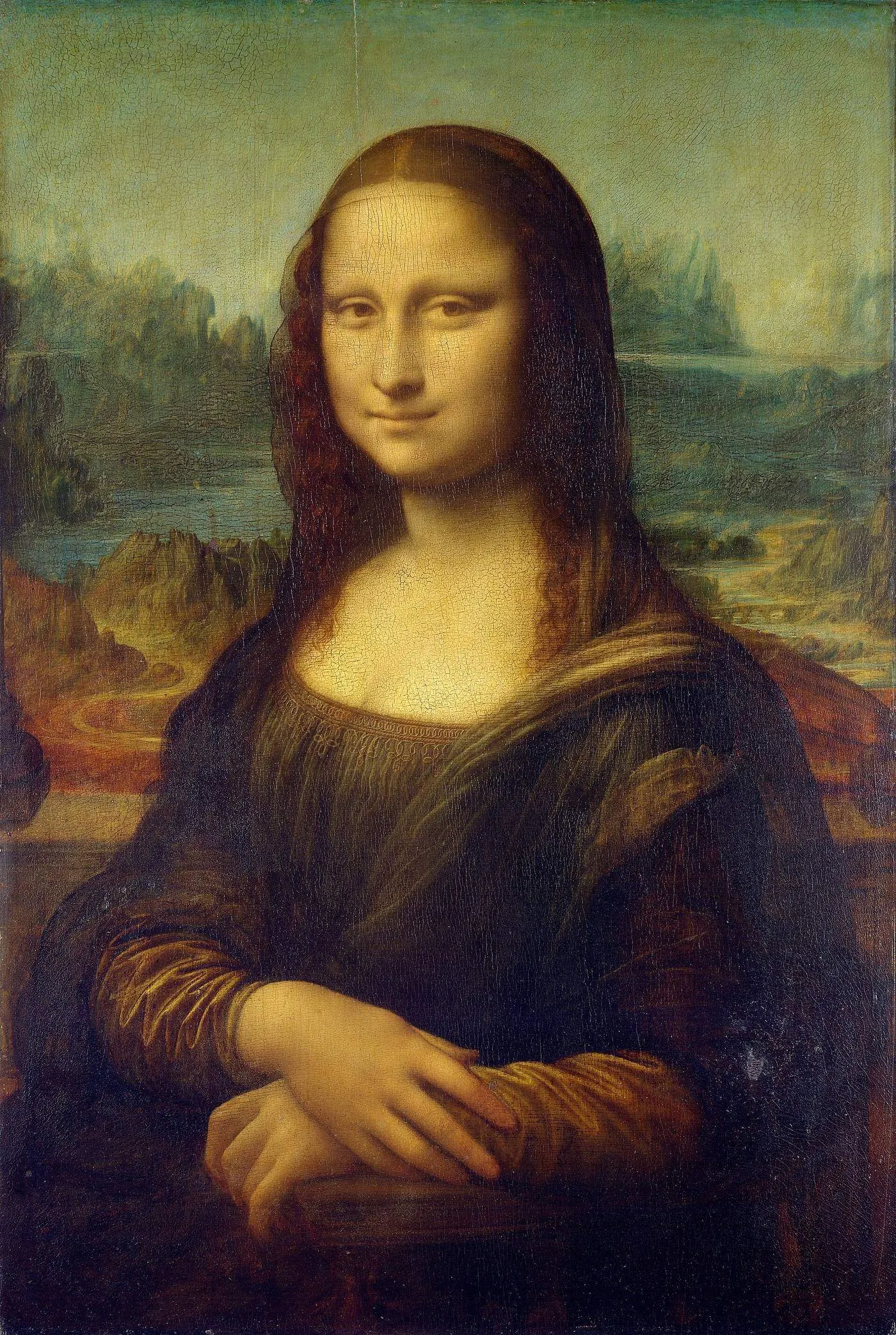
Mona Lisa
Leonardo da Vinci
Hand-painted · any size
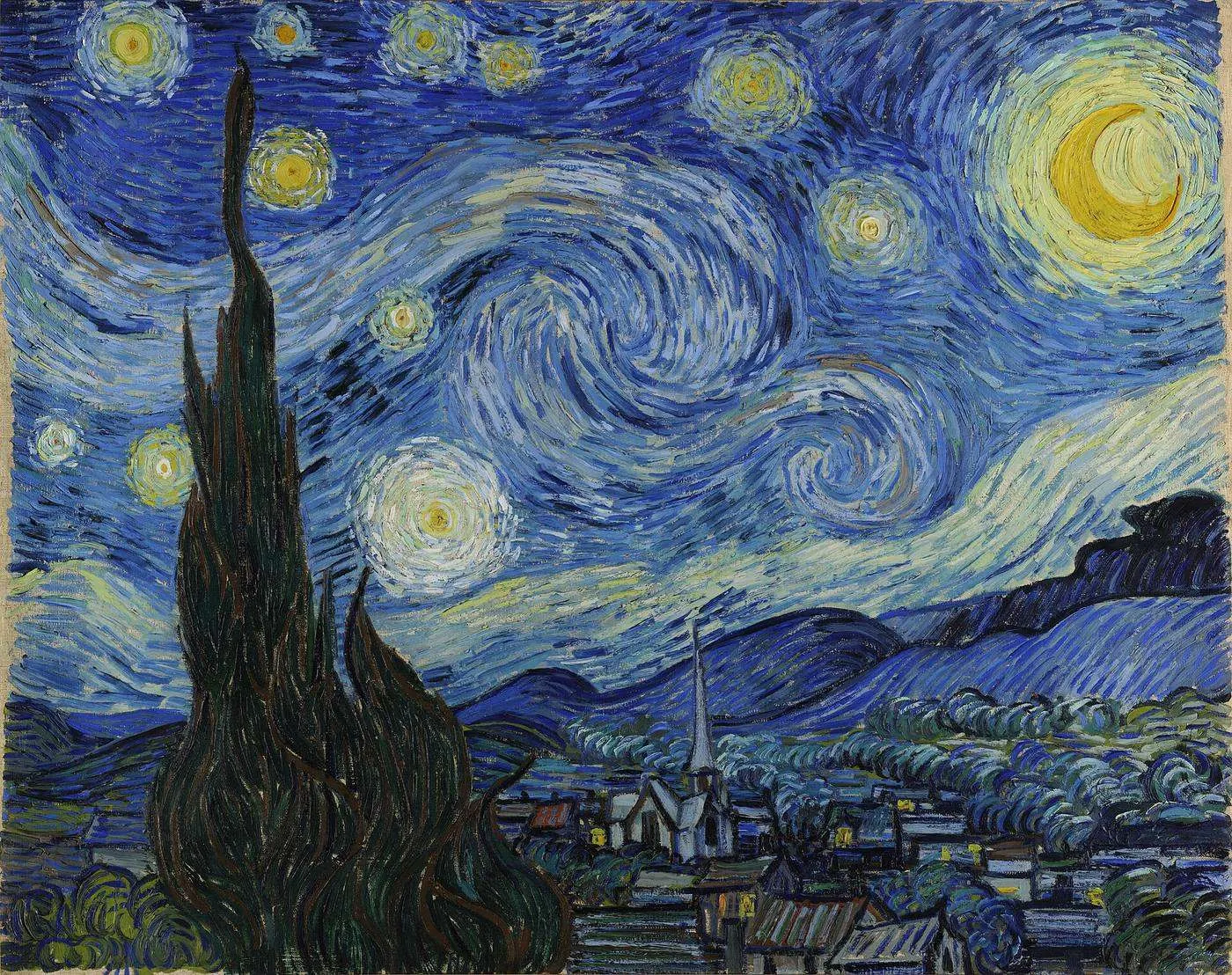
The Starry Night
Vincent van Gogh
Hand-painted · any size
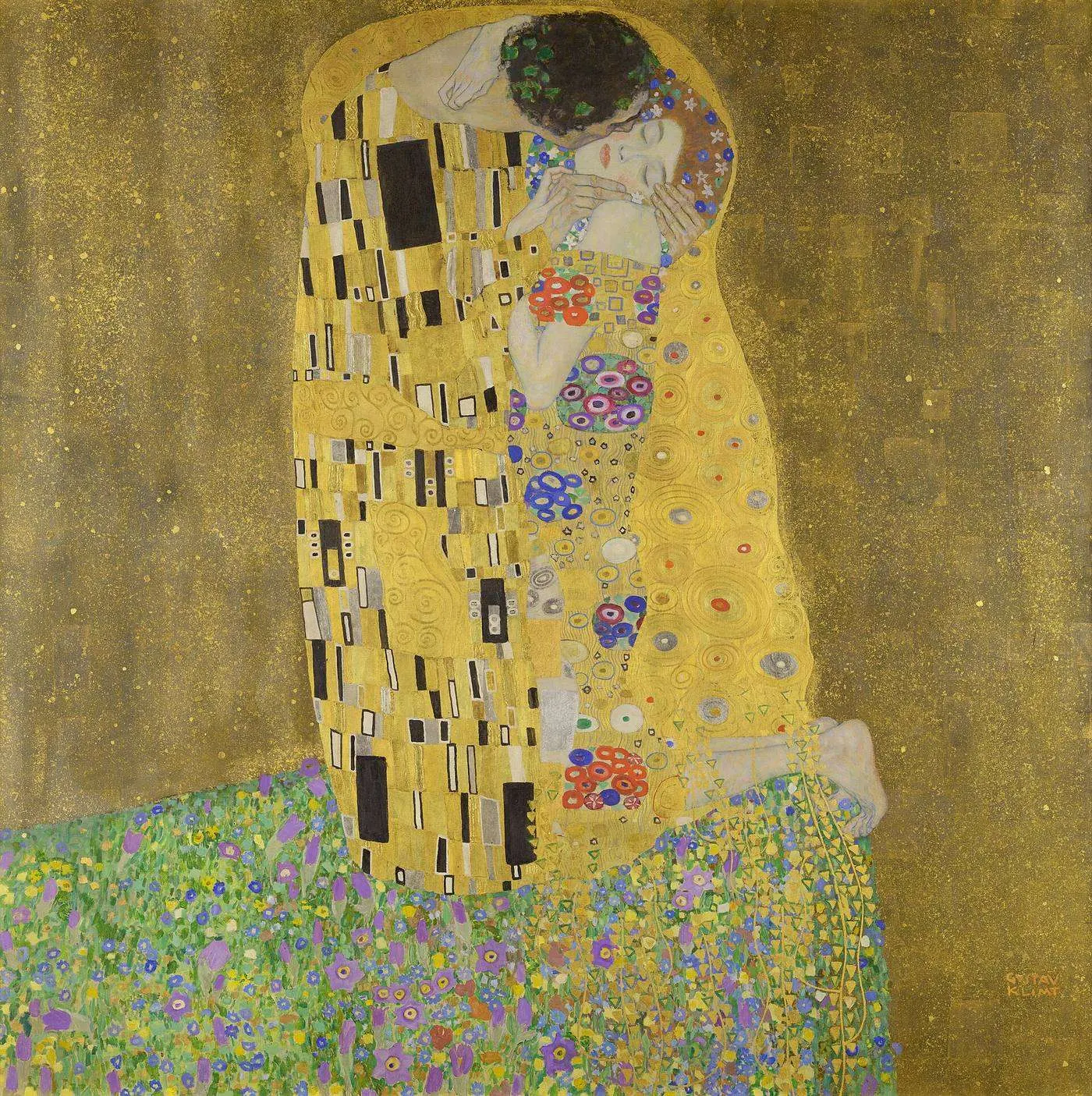
The Kiss
Gustav Klimt
Hand-painted · any size
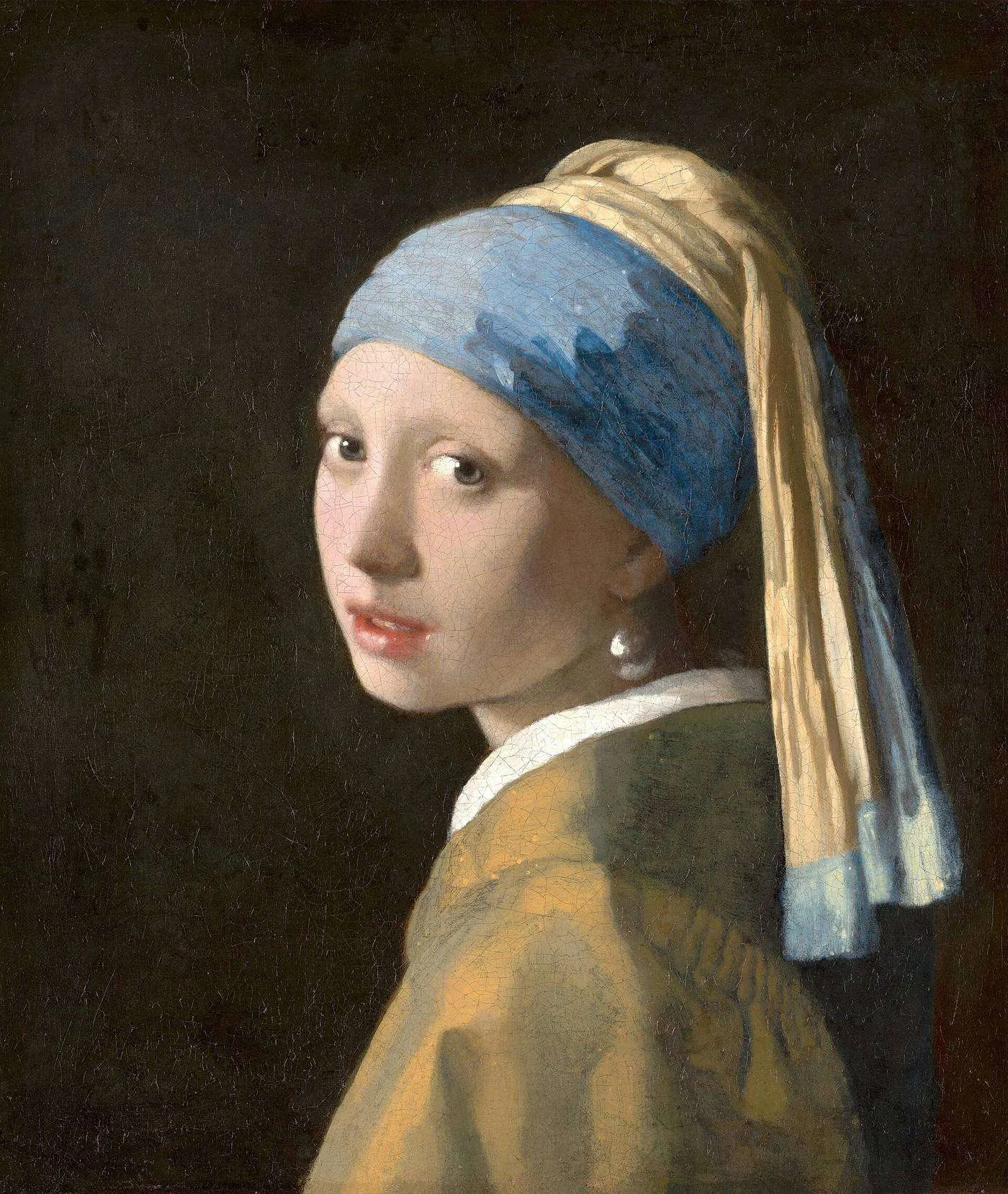
Girl with a Pearl Earring
Johannes Vermeer
Hand-painted · any size
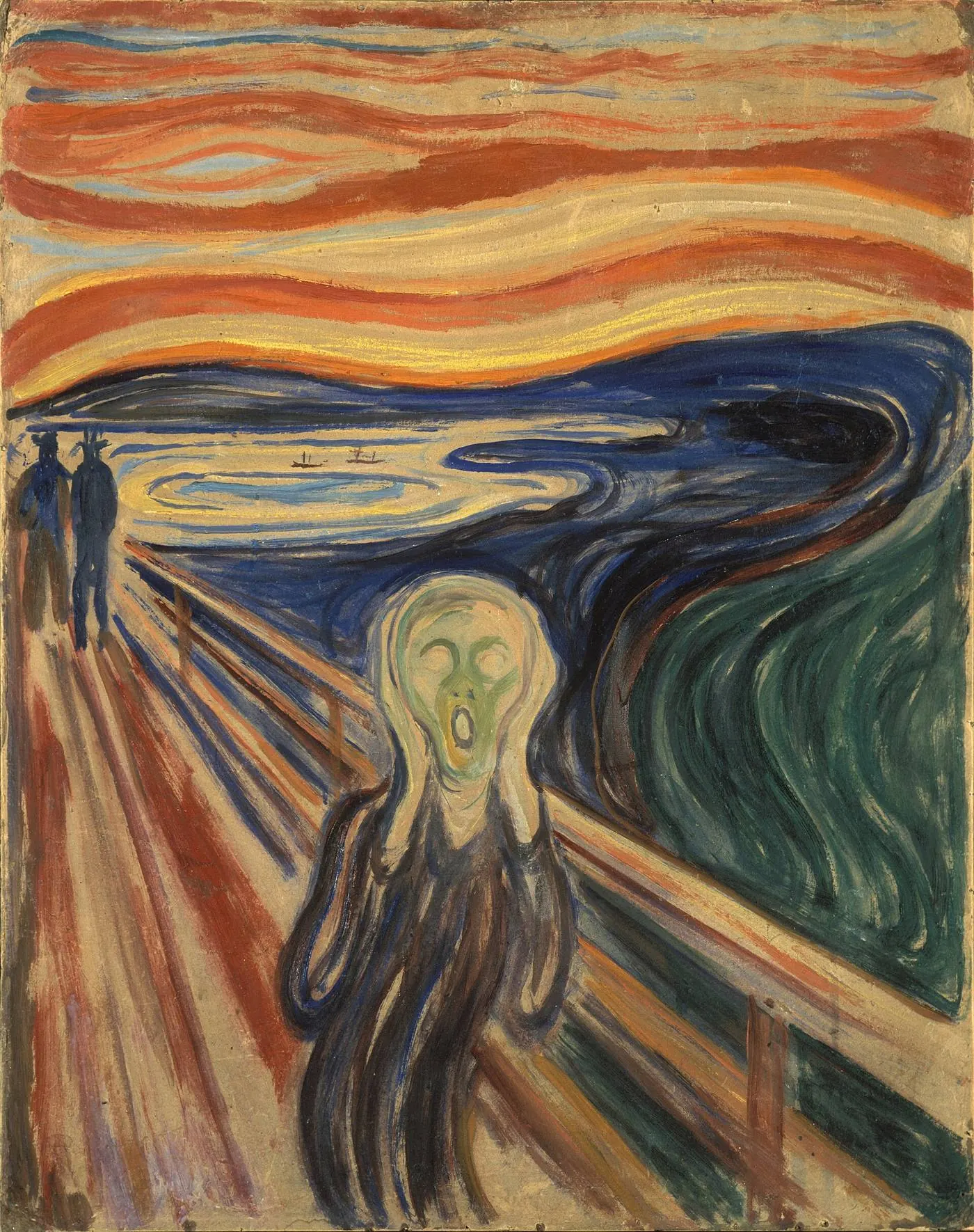
The Scream
Edvard Munch
Hand-painted · any size
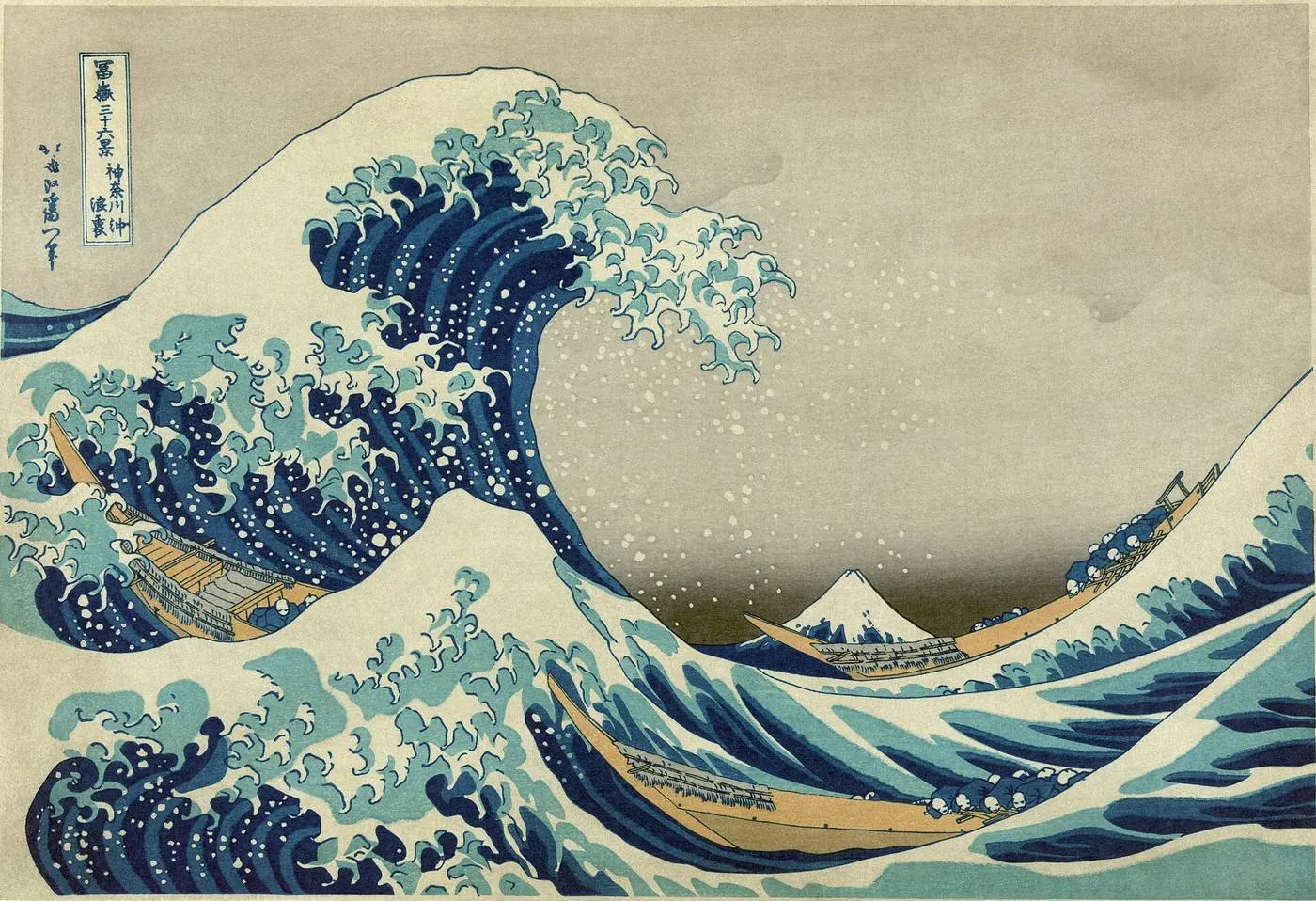
The Great Wave off Kanagawa
Katsushika Hokusai
Hand-painted · any size
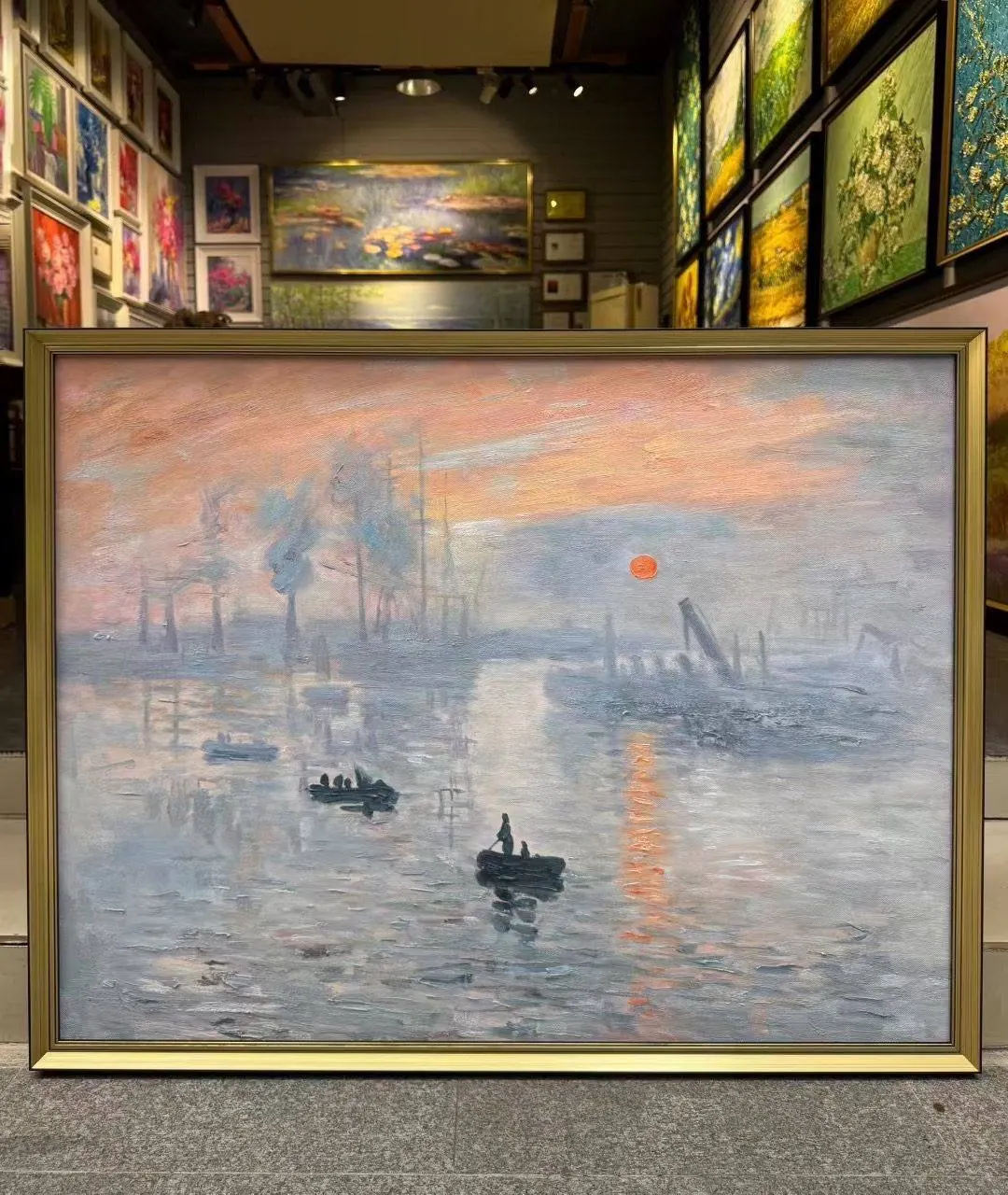
Impression, Sunrise
Claude Monet
Hand-painted · any size
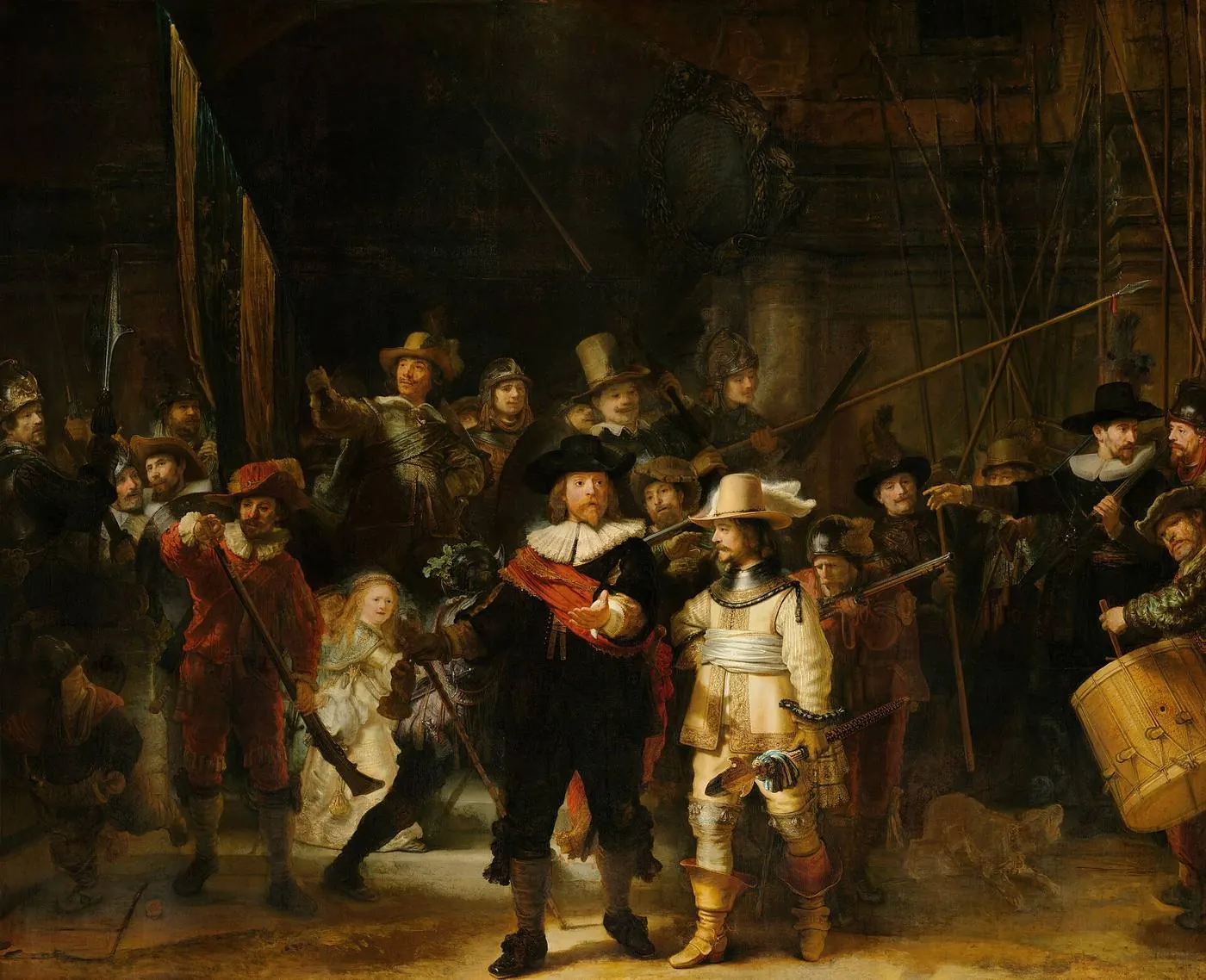
The Night Watch
Rembrandt
Hand-painted · any size
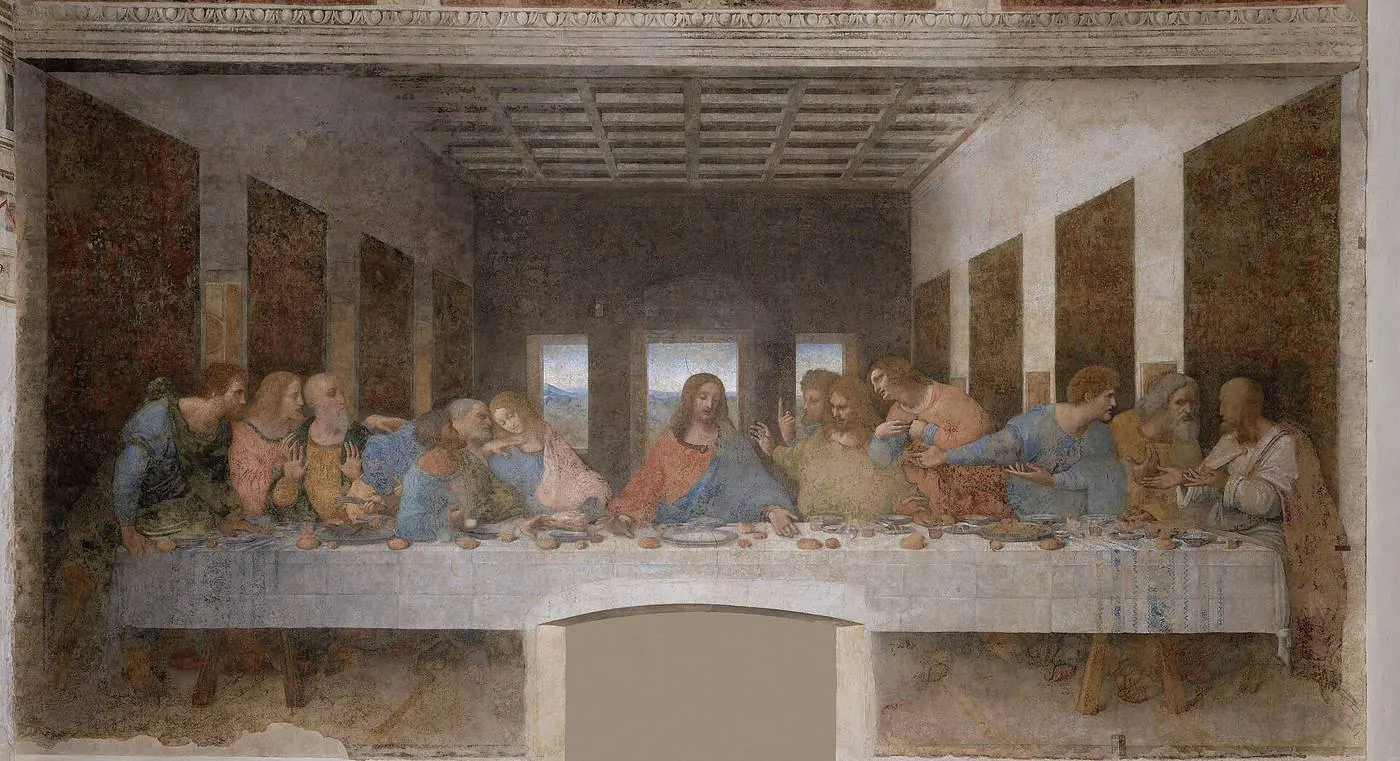
The Last Supper
Leonardo da Vinci
Hand-painted · any size
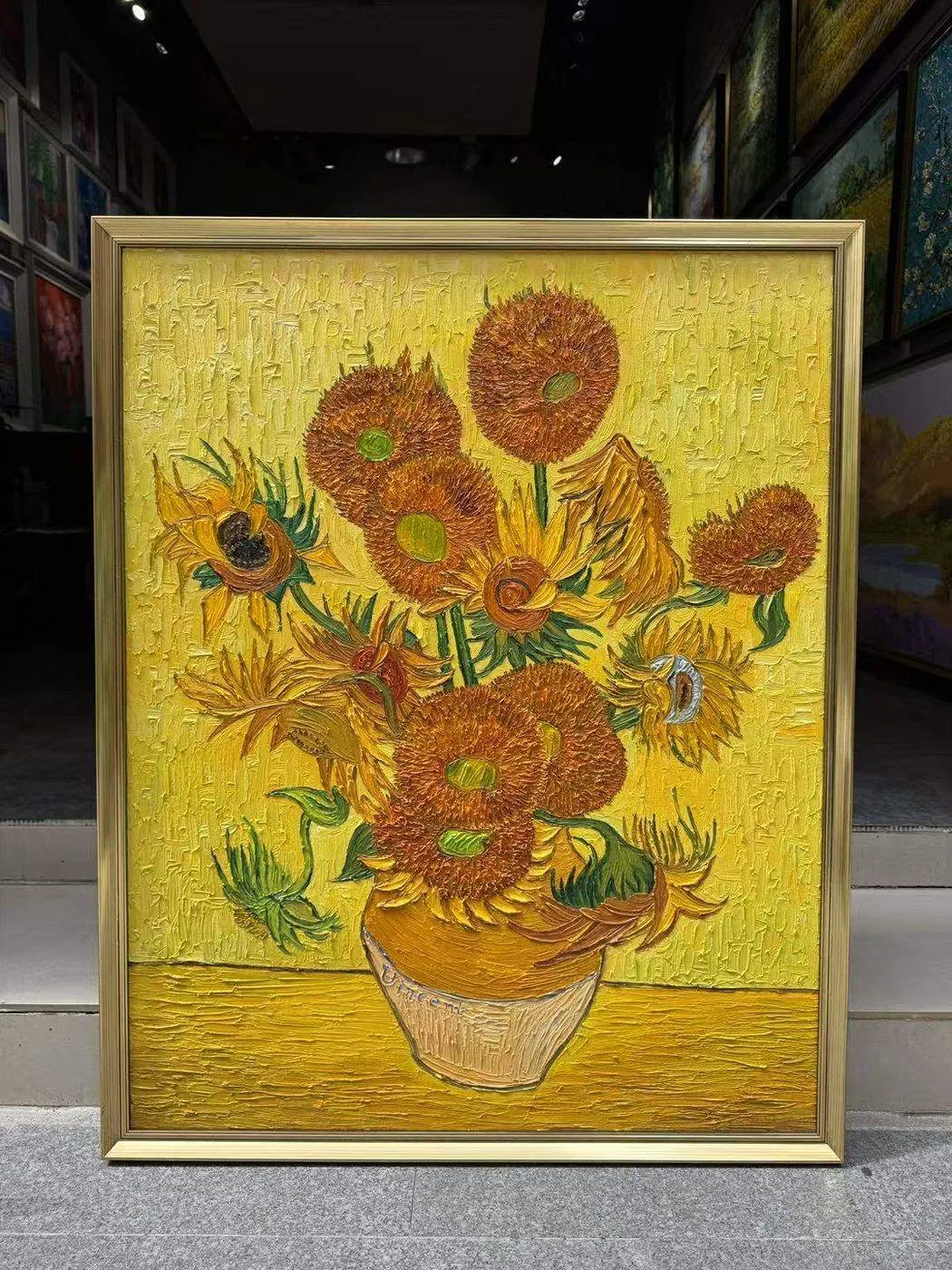
Sunflowers
Vincent van Gogh
Hand-painted · any size
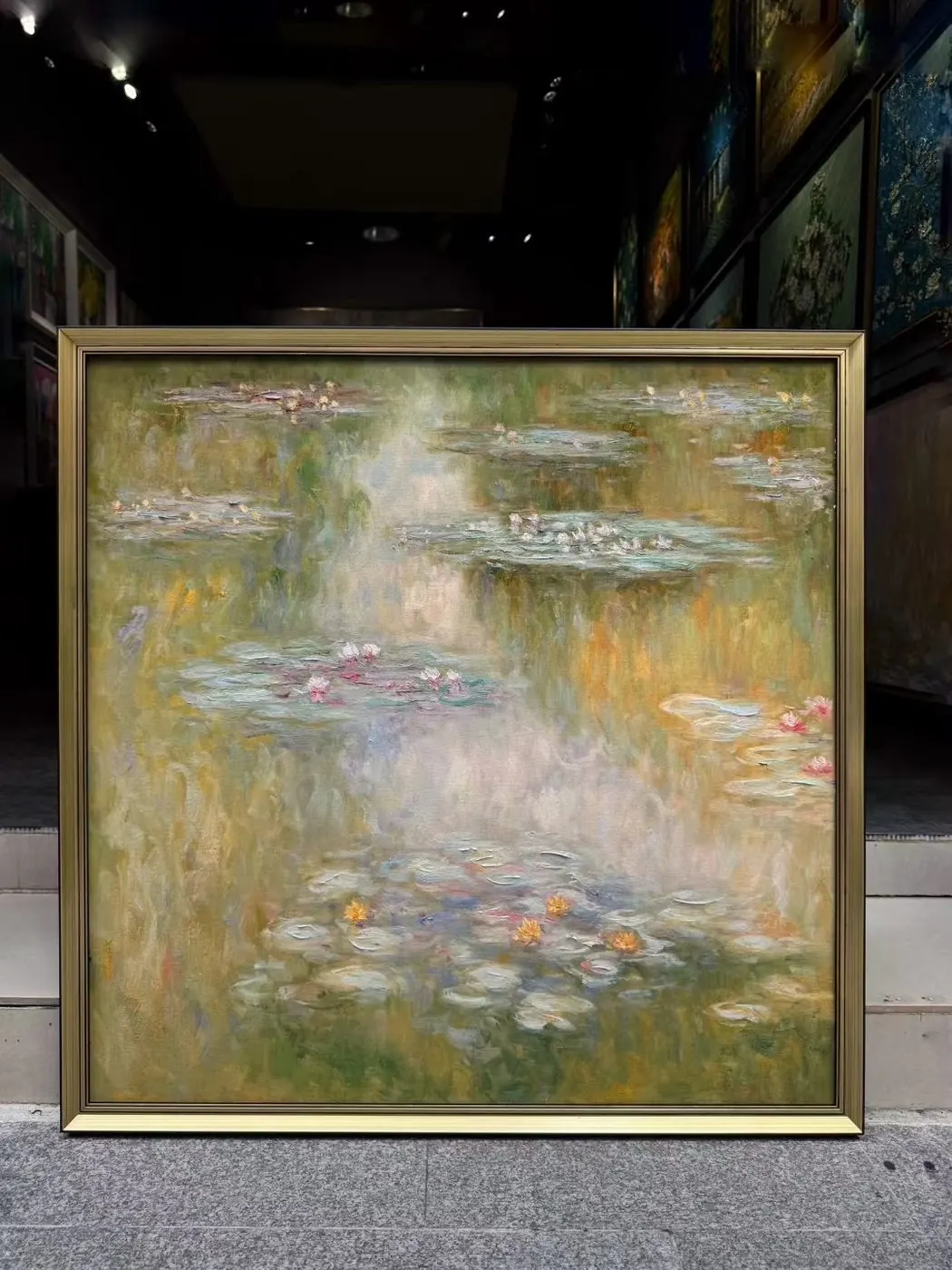
Water Lilies
Claude Monet
Hand-painted · any size
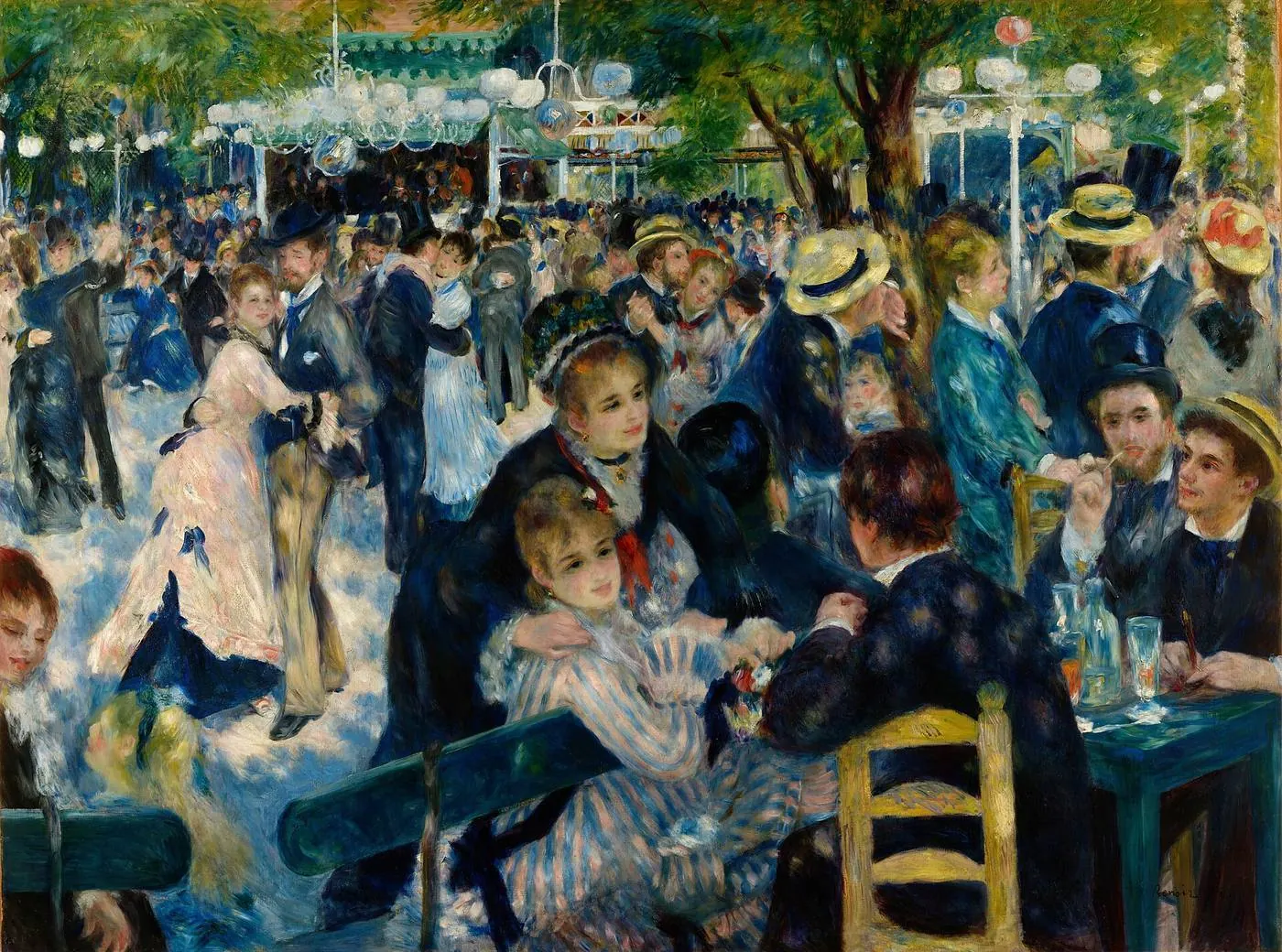
Dance at the Moulin de la Galette
Pierre-Auguste Renoir
Hand-painted · any size
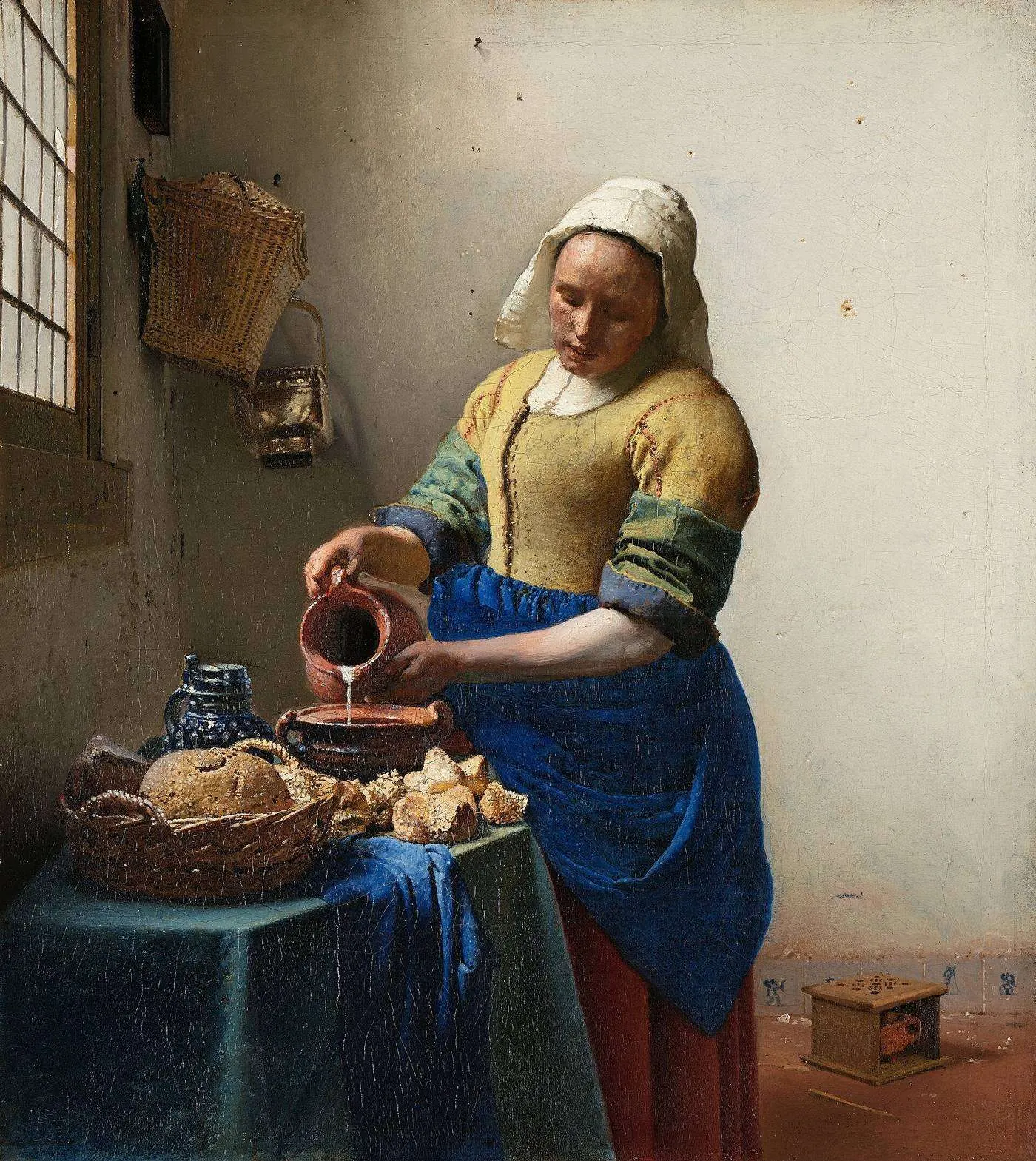
The Milkmaid
Johannes Vermeer
Hand-painted · any size
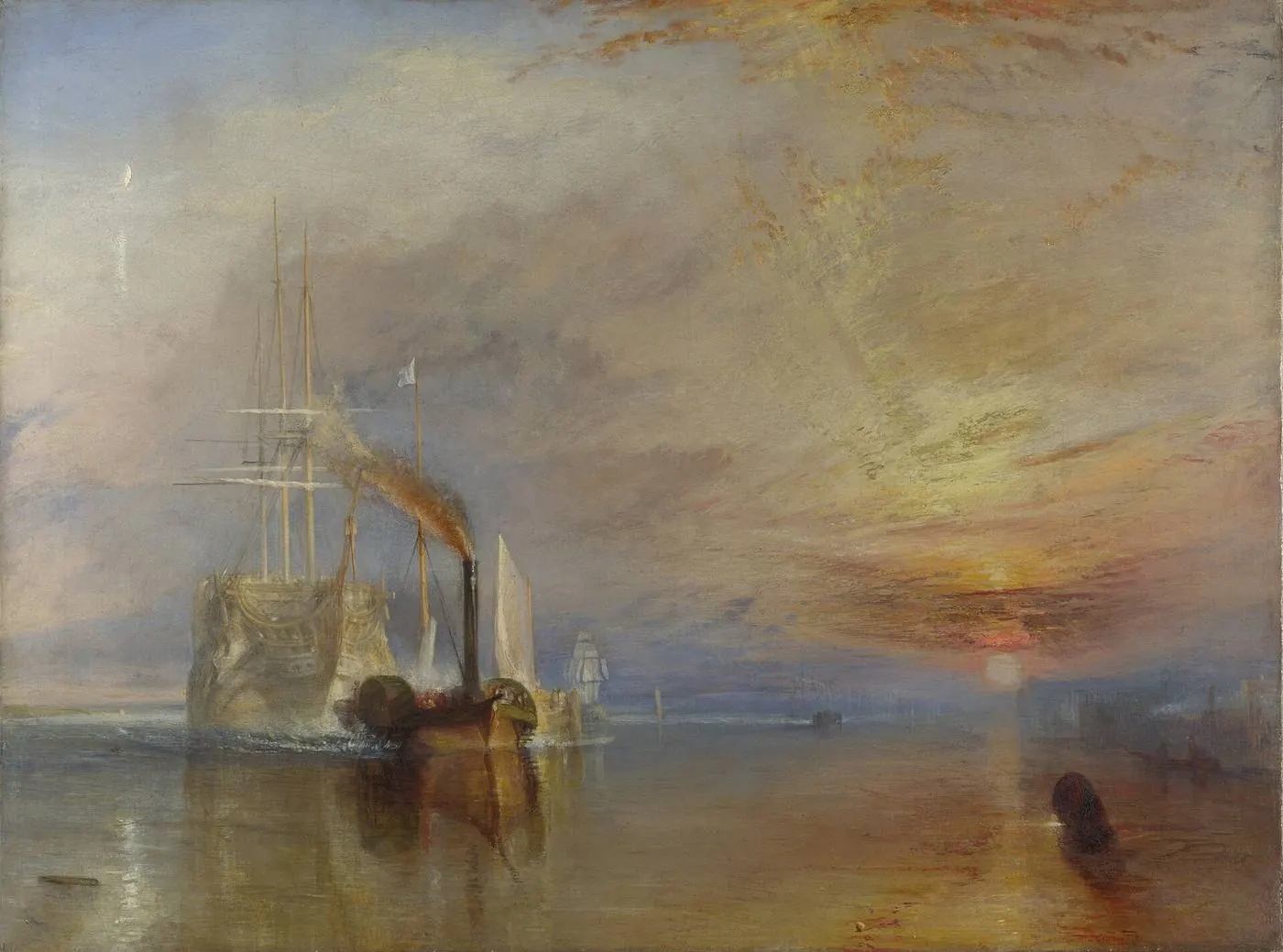
The Fighting Temeraire
J.M.W. Turner
Hand-painted · any size
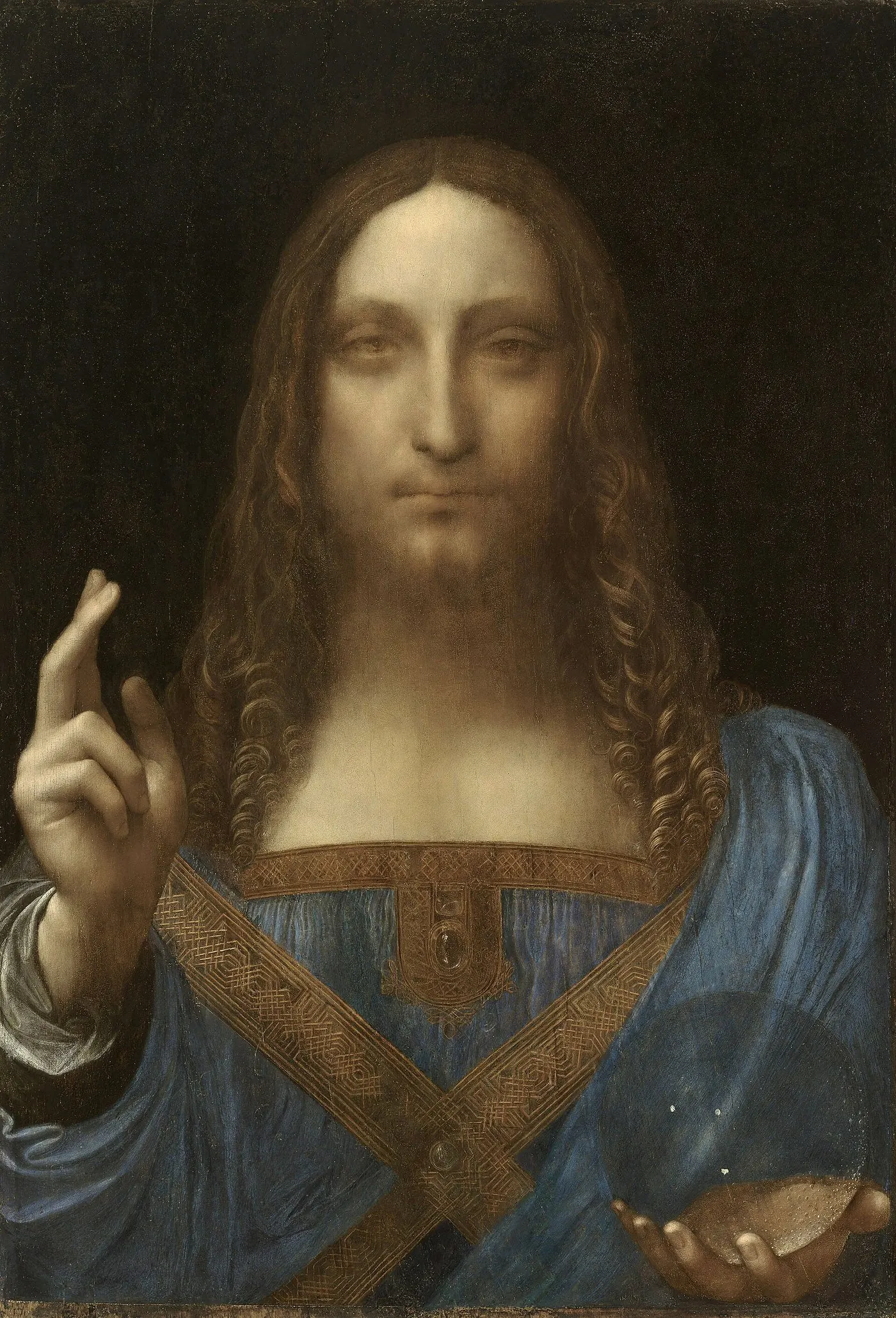
Salvator Mundi
Leonardo da Vinci
Hand-painted · any size
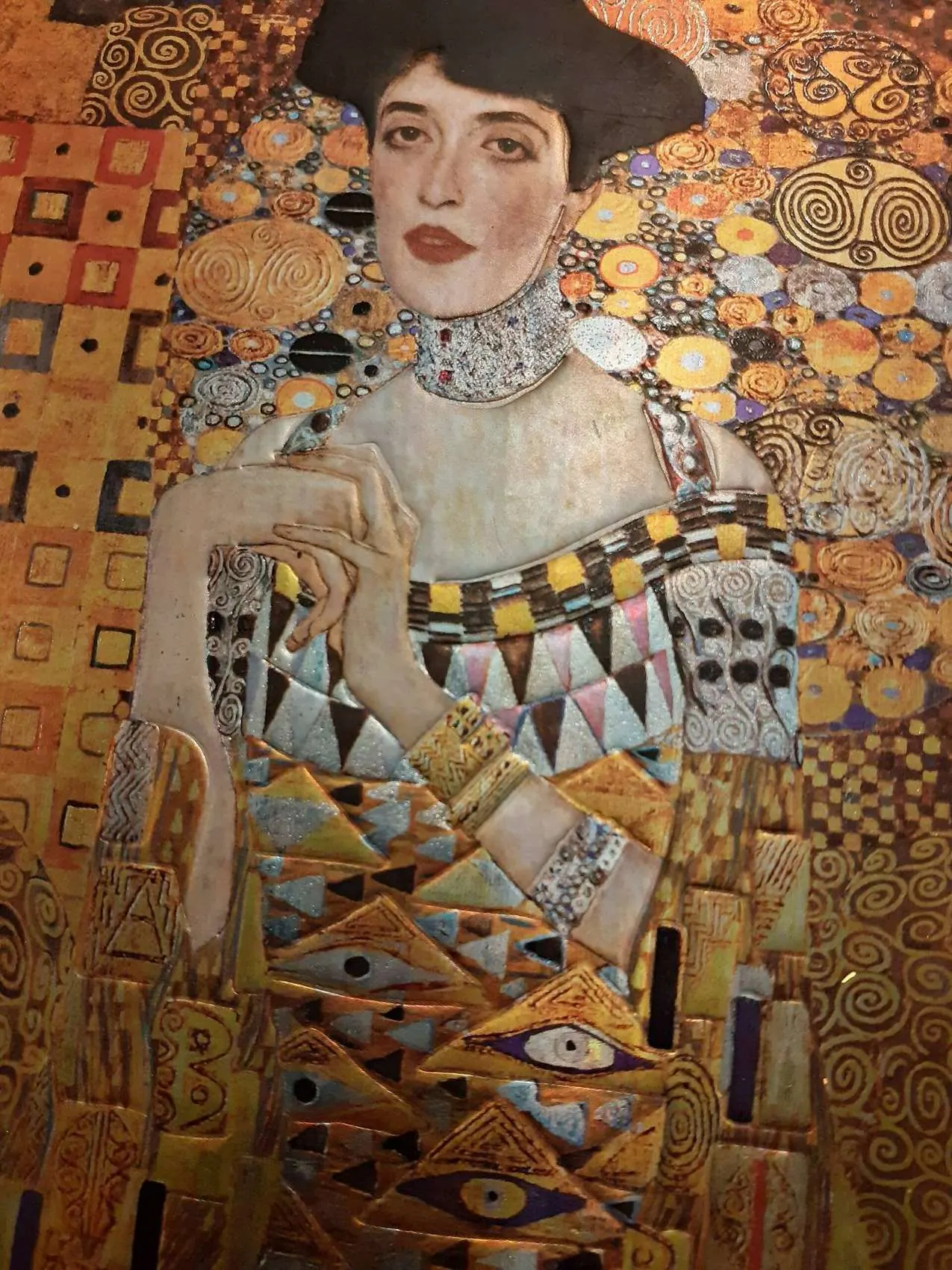
Portrait of Adele Bloch-Bauer I
Gustav Klimt
Hand-painted · any size
These are not the sixteen best paintings ever made. They are the sixteen that survive being reproduced onto a wall you live with. A few things separate them from the thousands of other public-domain works: they read from across a room, the composition still works when it is cropped or enlarged, and the main colour area is big enough to carry a sofa or a bed under it. Vermeer's Girl with a Pearl Earring is 44.5 cm tall in the Mauritshuis and still holds a wall at 70 cm, because the whole thing is one shape. Parts of Bosch or Bruegel, which are full of small incident, go mushy when you scale them up and fall apart when you scale them down.
Two entries on the list fail that test on purpose. The Last Supper is 460 × 880 cm and was painted onto a dry wall, not canvas — it exists as a mural and it does not really exist otherwise. We paint it as a horizontal canvas at roughly 100 × 190 cm and it works, but it works as a picture of a famous composition, not as a reproduction of a painting, because there is no painting to reproduce. The Night Watch has the opposite problem: at 380 × 454 cm it is a wall in itself, and any version you can hang is a compression of it. Both are worth doing. Neither should be sold to you as a facsimile.
A scan of the original, printed onto canvas at high resolution, gives you the colours and the composition and nothing else. Close up it is flat, and under a side light it is still flat. What makes a Van Gogh a Van Gogh at arm's length is the direction of the stroke — the sky in The Starry Night is not blue paint, it is blue paint laid in short curved pulls that turn against each other, and the highlights sit on top of the ridges.
So our painters work from the image and rebuild it in that order: ground layer, blocking, then the strokes on top in the direction the original uses. On Klimt it means flat pattern areas laid thin and gold built up separately. On Vermeer it means glazes, thin and many, with the light coming last. On Monet it means broken colour — small separate marks that mix in your eye and not on the canvas, which is the one thing a printer cannot fake, because a printer mixes before it deposits.
The honest limit: a hand-painted reproduction is not the original and does not have its age. Craquelure, the darkened varnish, the way a 17th-century lead white has gone warm — those are four hundred years, not technique. We do not fake them with crackle varnish. What you get is the painting as it looked in the studio, at whatever size suits your wall.
Most of these paintings were made for churches, guild halls or a specific museum wall, and copying the dimensions is usually the wrong call. A 77 × 53 cm Mona Lisa looks lost over a 210 cm sofa. The Kiss is a square — 180 × 180 cm — and squares are awkward on most walls, so people order it at 100 or 120. The table below is what we have actually shipped most often. Treat it as a starting point, not a rule: tell us the wall width and we will tell you if it is wrong.
| Painting | Original size | Commonly ordered |
|---|---|---|
| Mona Lisa | 77 × 53 cm | 60 × 40 or 80 × 55 |
| The Starry Night | 74 × 92 cm | 80 × 100 or 100 × 125 |
| The Kiss | 180 × 180 cm | 100 × 100 or 120 × 120 |
| Girl with a Pearl Earring | 44.5 × 39 cm | 50 × 40 or 70 × 55 |
| The Scream | 91 × 73 cm | 60 × 50 or 80 × 65 |
| The Great Wave | 26 × 38 cm | 70 × 100 or 90 × 130 |
| Impression, Sunrise | 48 × 63 cm | 70 × 90 or 90 × 120 |
| The Night Watch | 380 × 454 cm | 120 × 145 as a single canvas |
| The Last Supper | 460 × 880 cm | 100 × 190, horizontal only |
| Sunflowers | 95 × 73 cm | 80 × 60 or 100 × 75 |
| Water Lilies | various, up to 425 cm | 120 × 120 or 150 × 150 |
| Moulin de la Galette | 131 × 175 cm | 90 × 120 or 110 × 145 |
| The Milkmaid | 45.5 × 41 cm | 50 × 45 or 70 × 60 |
| The Fighting Temeraire | 91 × 122 cm | 80 × 105 or 100 × 135 |
| Salvator Mundi | 65.6 × 45.4 cm | 60 × 45 or 80 × 60 |
| Adele Bloch-Bauer I | 138 × 138 cm | 90 × 90 or 110 × 110 |
Two mechanical limits are worth knowing before you choose. Above about 150 cm on the short side, a stretched canvas will not travel safely in a crate and the painting ships rolled in a tube for you to stretch locally — that is normal and any framer can do it. And any canvas wider than roughly 120 cm needs a cross-brace behind it, or it will sag and eventually crack along the sag line; we fit them as standard, which is why we ask for the wall width up front rather than the painting.
Everything on this page is in the public domain: the maker died long enough ago that the work belongs to everyone, and reproducing it by hand is legal in the countries we ship to. That is the whole test, and it is why we decline a lot of requests.
If an artist is alive, or died recently enough that their estate still holds copyright, we will not copy the work — a hand-painted copy has the same copyright problem as a printed one, and shipping it across a border does not improve the position. This catches most 20th-century painters, nearly all illustrators and comic artists, and every photograph that is not old enough to be free. Studio stills from films, album covers and logos are the same story: someone owns them.
What we do instead is paint in the manner of a work rather than copying it. "Warm abstract in the vein of a Rothko, in these colours, this size" is a normal order and we can quote it in a day. If you are not sure whether a specific painting is free, send the name and we will tell you straight — there is no charge for being told no, and it is a faster answer than finding out from a customs letter.
A name, or a photo, plus roughly how wide the wall is. We will come back with a size, a palette if it needs shifting, and a price — no obligation, and no account to create.
A working studio inside Dafen Oil Painting Village, Shenzhen — since 2016. Every line below runs through the same floor and the same WhatsApp number.