This is the most-asked hanging question and the one with the most conflicting advice online. The short answer is yes, you can hang an oil painting above a working fireplace — but three conditions have to hold, and the size rule is different from every other wall in the house.
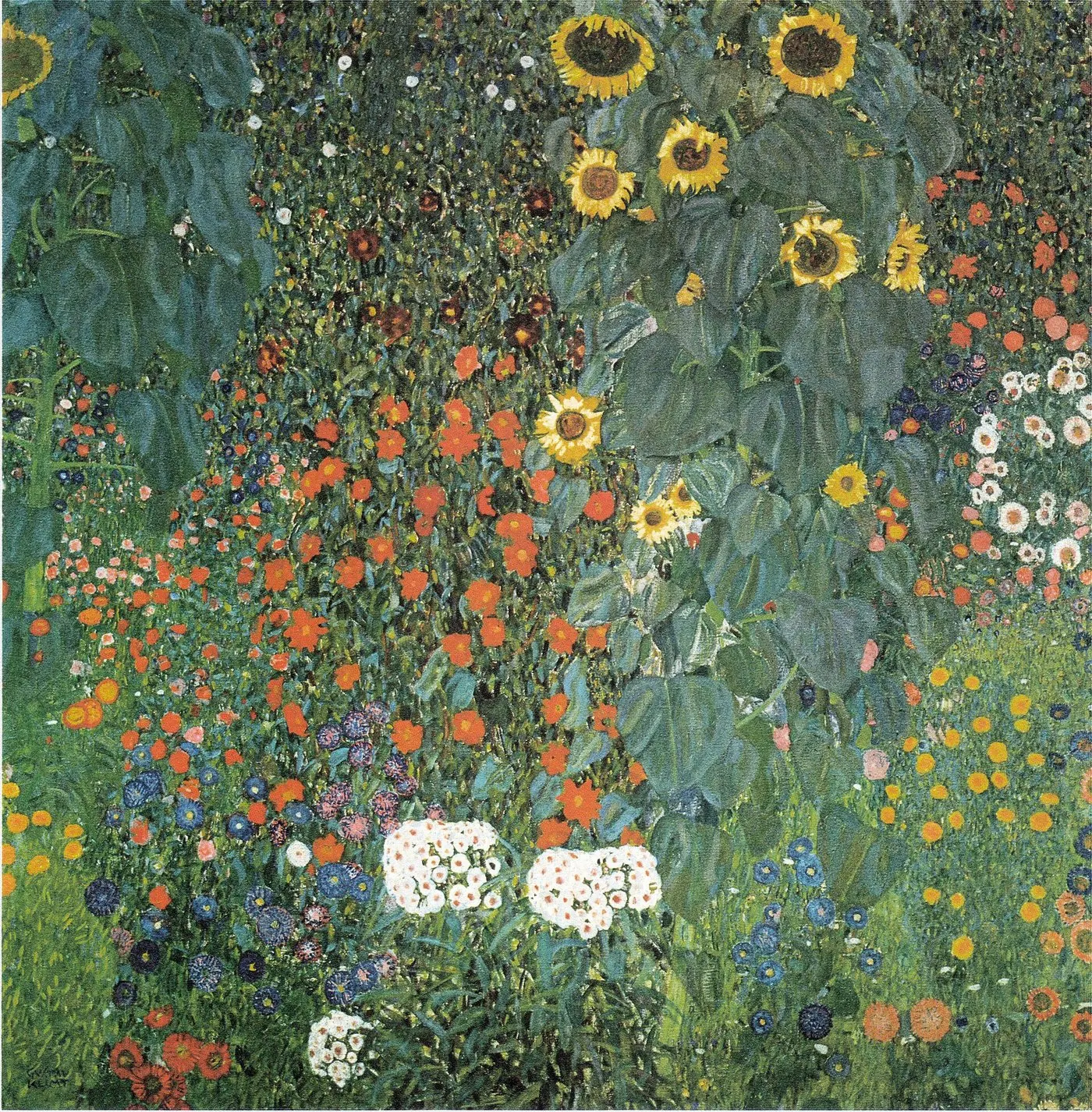
Farm Garden with Sunflowers
Gustav Klimt
Hand-painted · any size
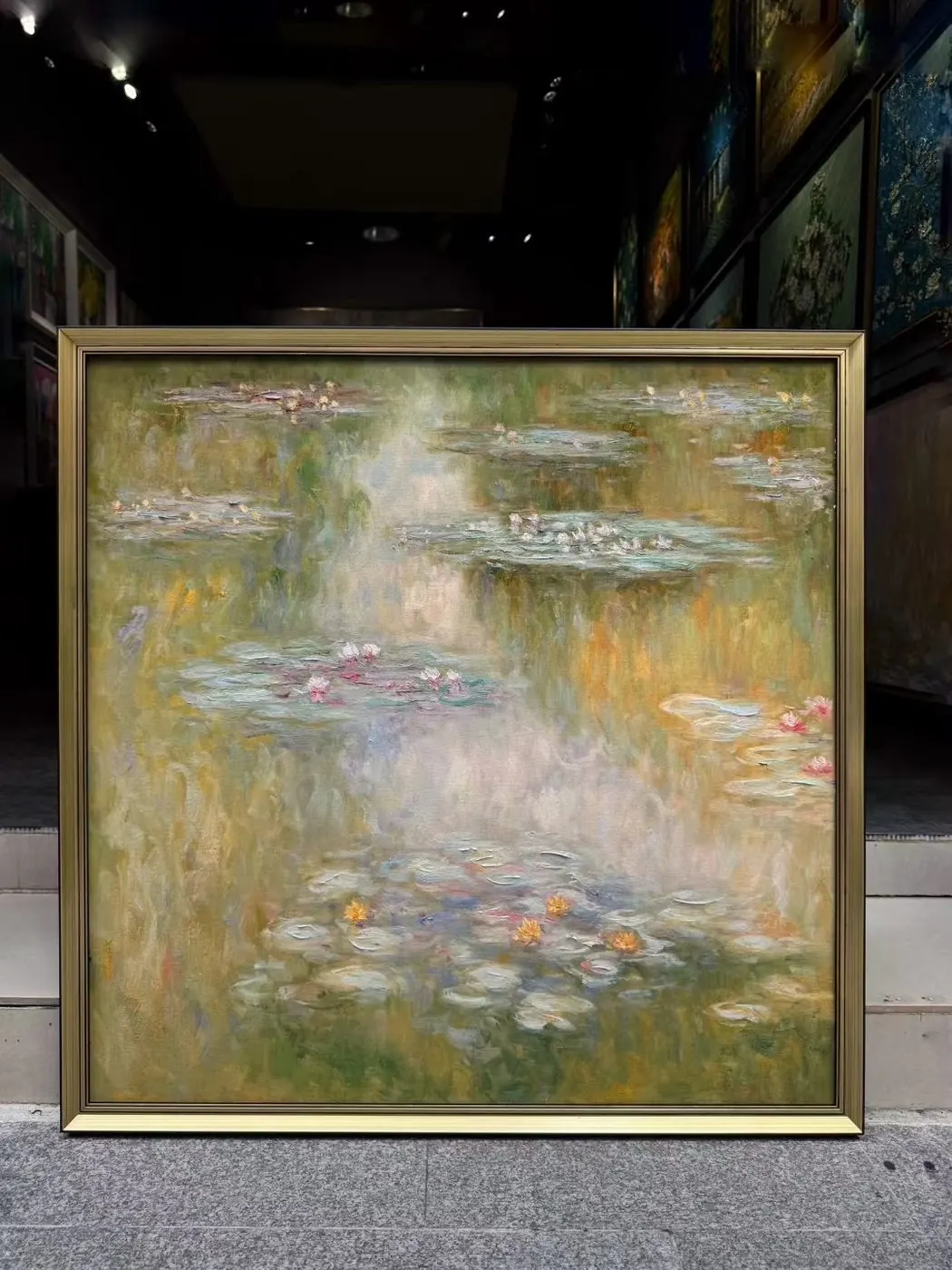
Water Lilies
Claude Monet
Hand-painted · any size
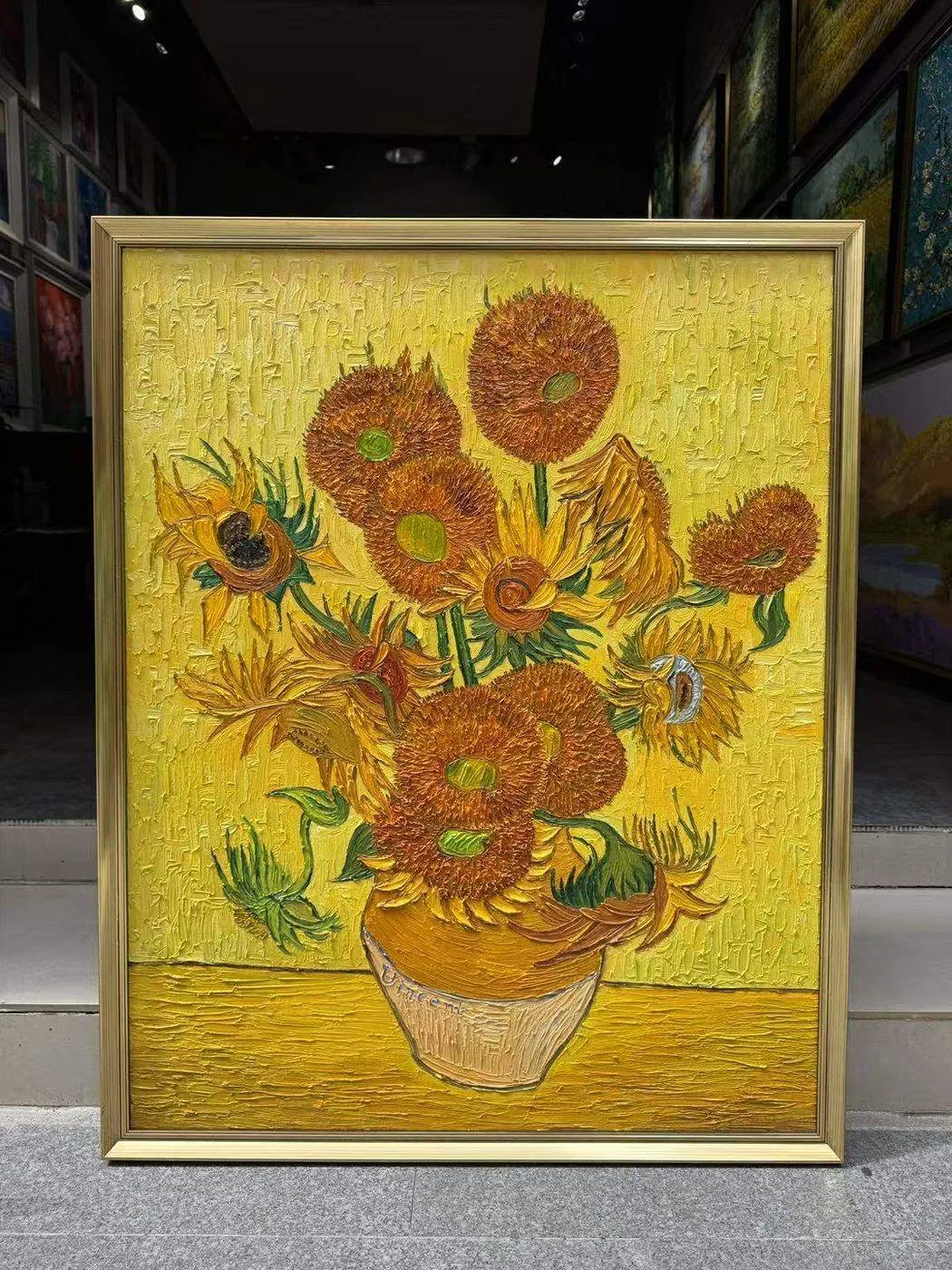
Sunflowers
Vincent van Gogh
Hand-painted · any size
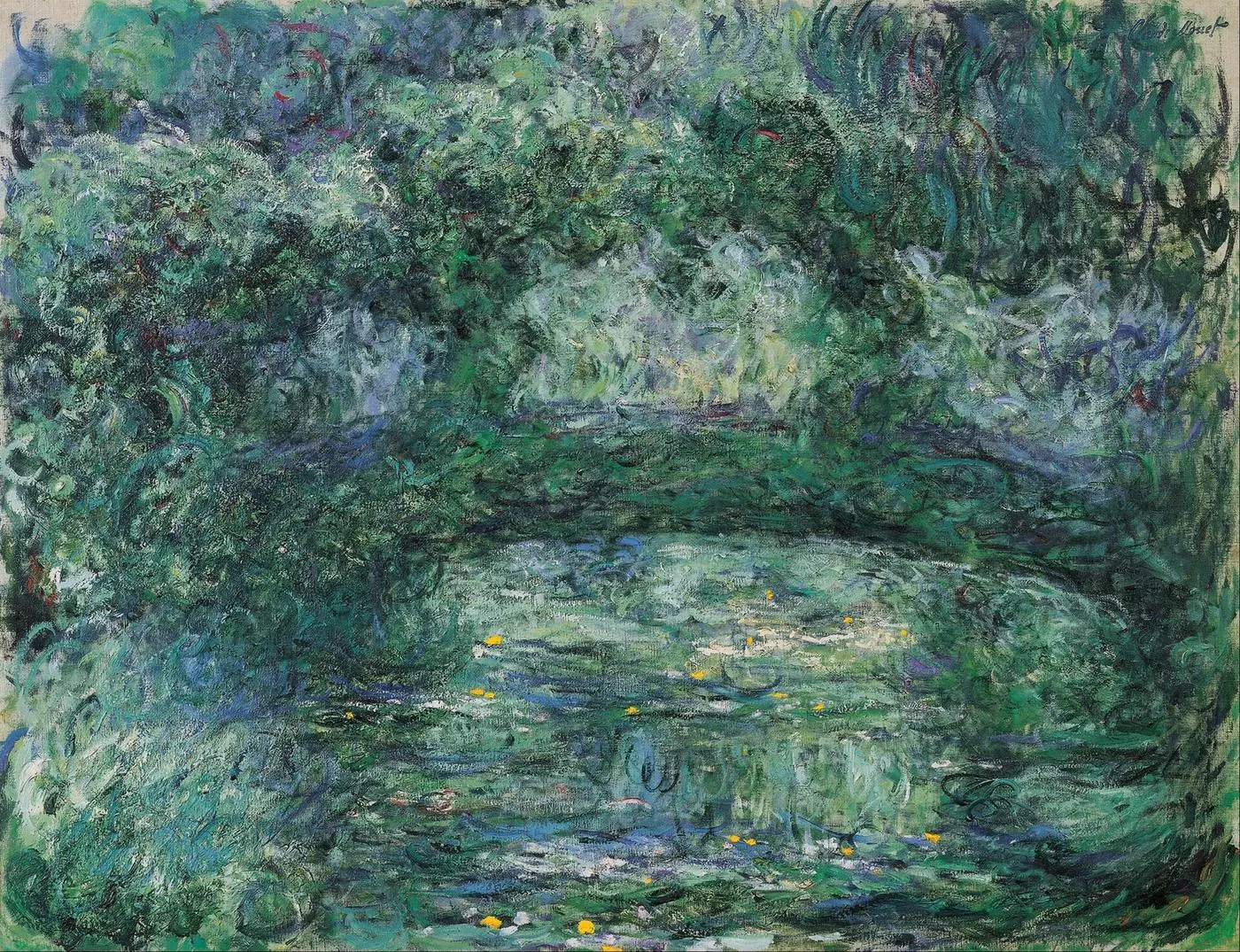
The Japanese Bridge
Claude Monet
Hand-painted · any size
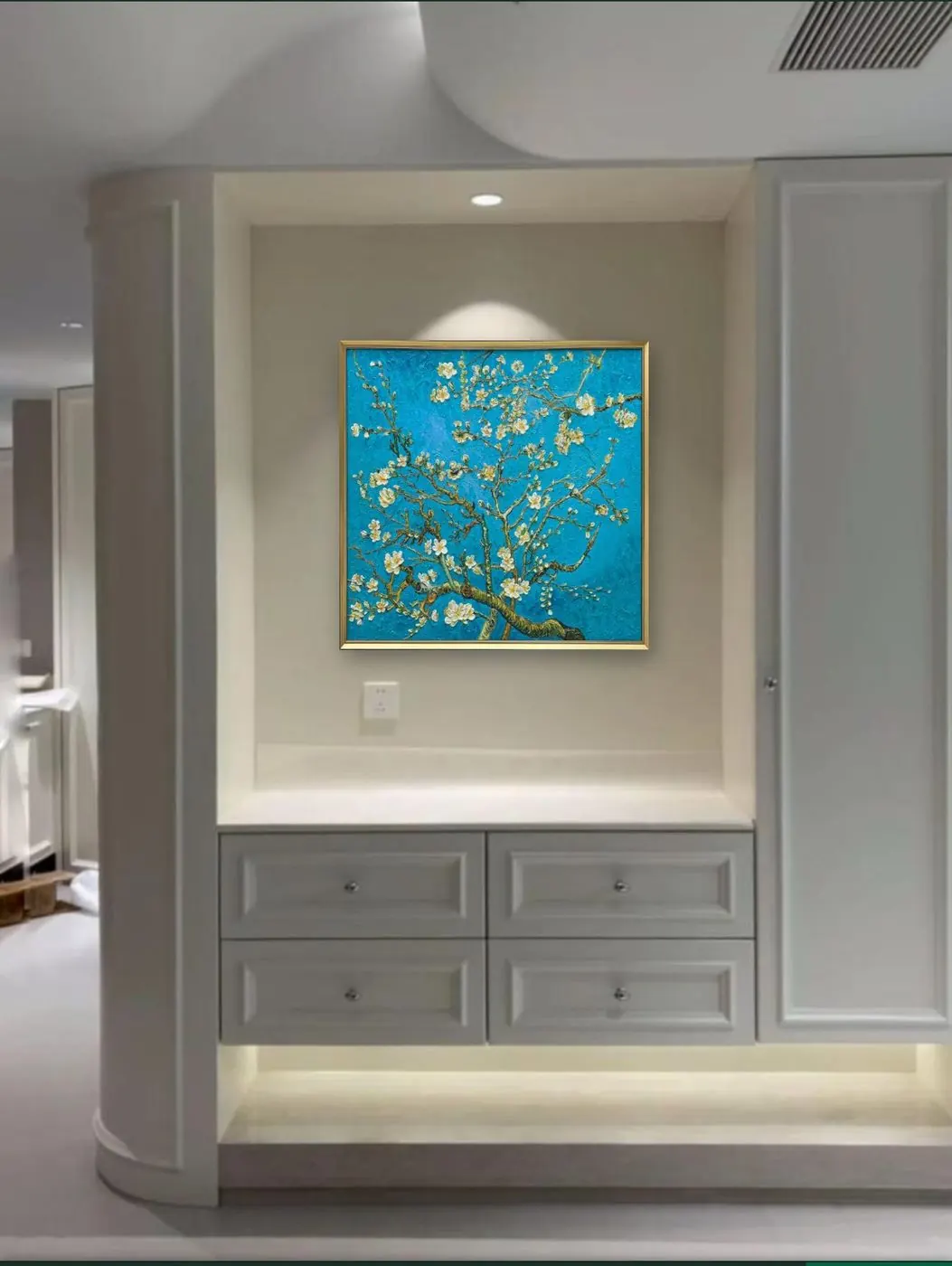
Almond Blossom
Vincent van Gogh
Hand-painted · any size

Girl with a Pearl Earring
Johannes Vermeer
Hand-painted · any size
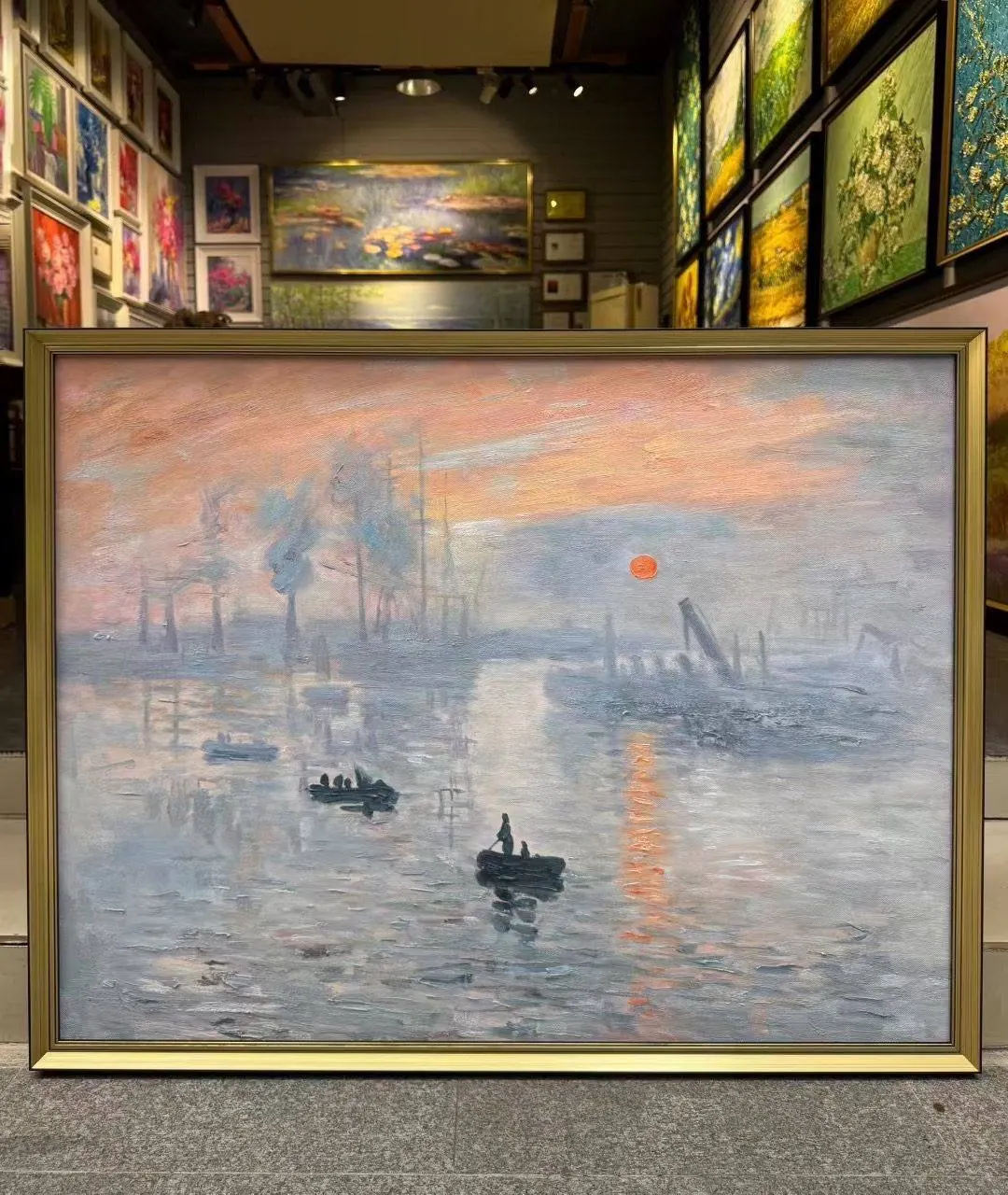
Impression, Sunrise
Claude Monet
Hand-painted · any size
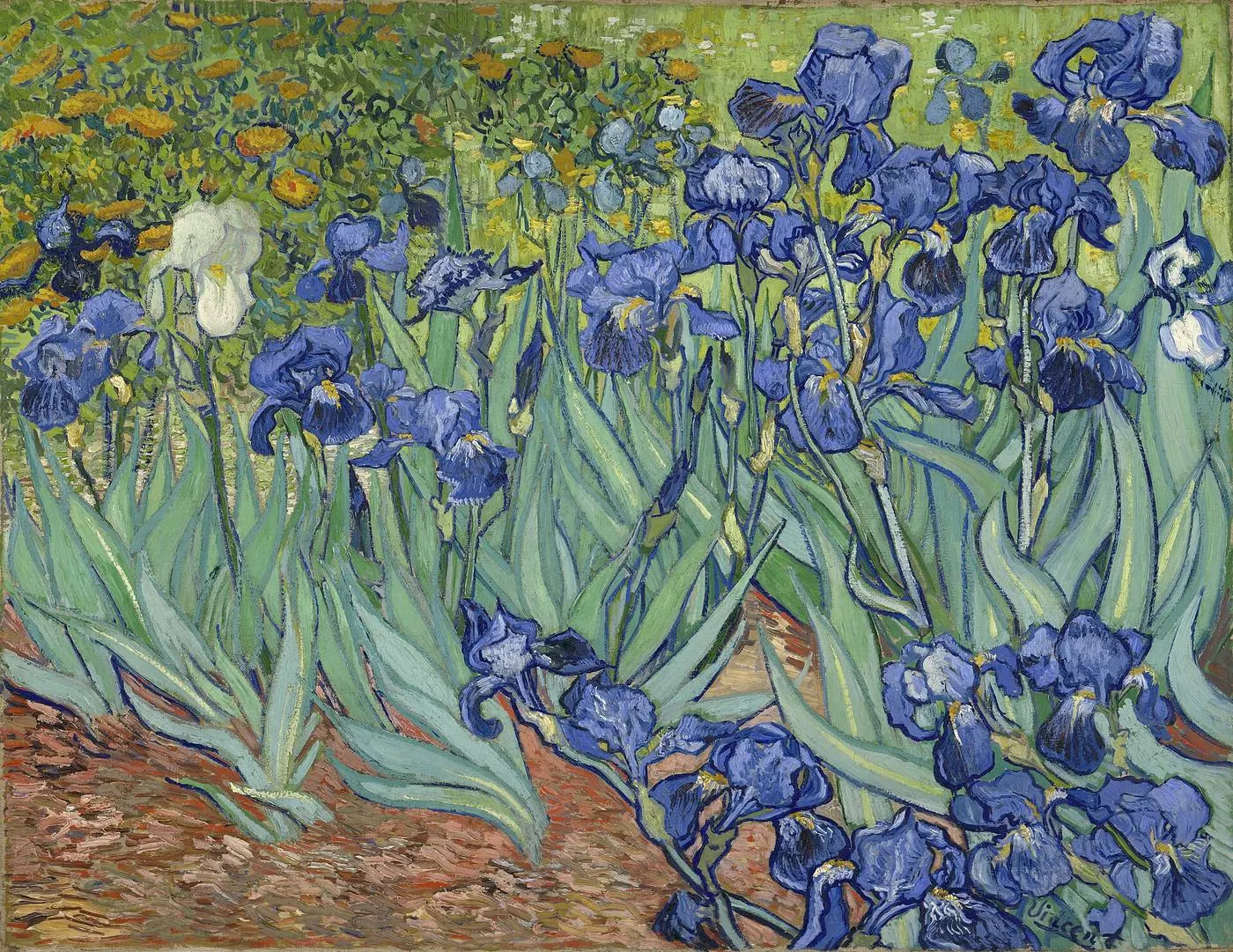
Irises
Vincent van Gogh
Hand-painted · any size
Hand-painted to order in Dafen Oil Painting Village. Every canvas is painted from scratch, so brushwork varies slightly from piece to piece.
One: the chimney must not spill smoke into the room. If a fire ever smoke-spills, soot will find the canvas and grey it within a season, and no amount of distance will help. Two: at least 30 cm of clearance between the top of the fire opening and the bottom of the frame, and preferably more — hot gas rises in a plume and hugs the wall. Three: the wall above the mantel must be able to carry the weight, which for a brick or stone chimney breast means a masonry anchor, not a plasterboard fixing.
Oil paint does not melt, but it is a film that expands and contracts with temperature. Repeated cycles of hot-then-cold — a fire every evening through winter — make the paint layer and the canvas move at different rates, and over years that produces fine cracking called craquelure, and can loosen the canvas on its stretcher. A steady 30–40 °C at the wall is survivable. A wall that gets too hot to rest a hand on comfortably is not. If you can hold your palm on the wall above the mantel for ten seconds without discomfort, a painting will be fine there.
A gas fire throws steady, lower heat and produces no soot, so it is the safest real-fire option — the clearance rule still applies. An electric fire produces almost no heat at the wall above and is not a concern at all. It is the open wood fire that needs the judgement, mostly because of smoke rather than heat.
A chimney breast is usually narrower than the room, and the mantel shelf sets the visual width. Choose a canvas between two-thirds and three-quarters the width of the mantel. Wider than the mantel and the composition looks unstable, as though it is sliding off. Taller rooms can take a portrait format here better than almost anywhere else, because the chimney breast gives you a vertical panel to fill.
Most chimney breasts are brick or block behind plaster. Use a masonry anchor sized to the weight — a 90 × 120 cm framed canvas is typically 6–10 kg — and if the piece is heavy, use a French cleat spread across two fixings rather than a single hook. Do not rely on the mantel shelf to carry anything; leaning a framed canvas on a shelf is fine for a light piece and unsafe for a heavy one.
Choose a work with some warmth and some pattern in it, because a fireplace wall is usually the darkest wall in the room until the fire is lit. Avoid very dark paintings directly above a fire — they disappear into the recess. Gardens, blossom, harvest and warm landscapes hold up; a near-black nocturne does not. And if the fire is used often, keep the impasto moderate: thick ridges collect dust faster and are harder to clean.
Photograph the wall, tell us roughly how wide it is, and attach any reference you like. We will come back with a size, a palette and a price — no obligation, and no account to create.
A working studio inside Dafen Oil Painting Village, Shenzhen — since 2016. Every line below runs through the same floor and the same WhatsApp number.