Above about a metre, a canvas stops behaving like a picture and starts behaving like a piece of architecture: it needs a stronger frame behind the canvas, different packing, and a wall fixing you would not use for something small. Here is what changes, and where the limits are.
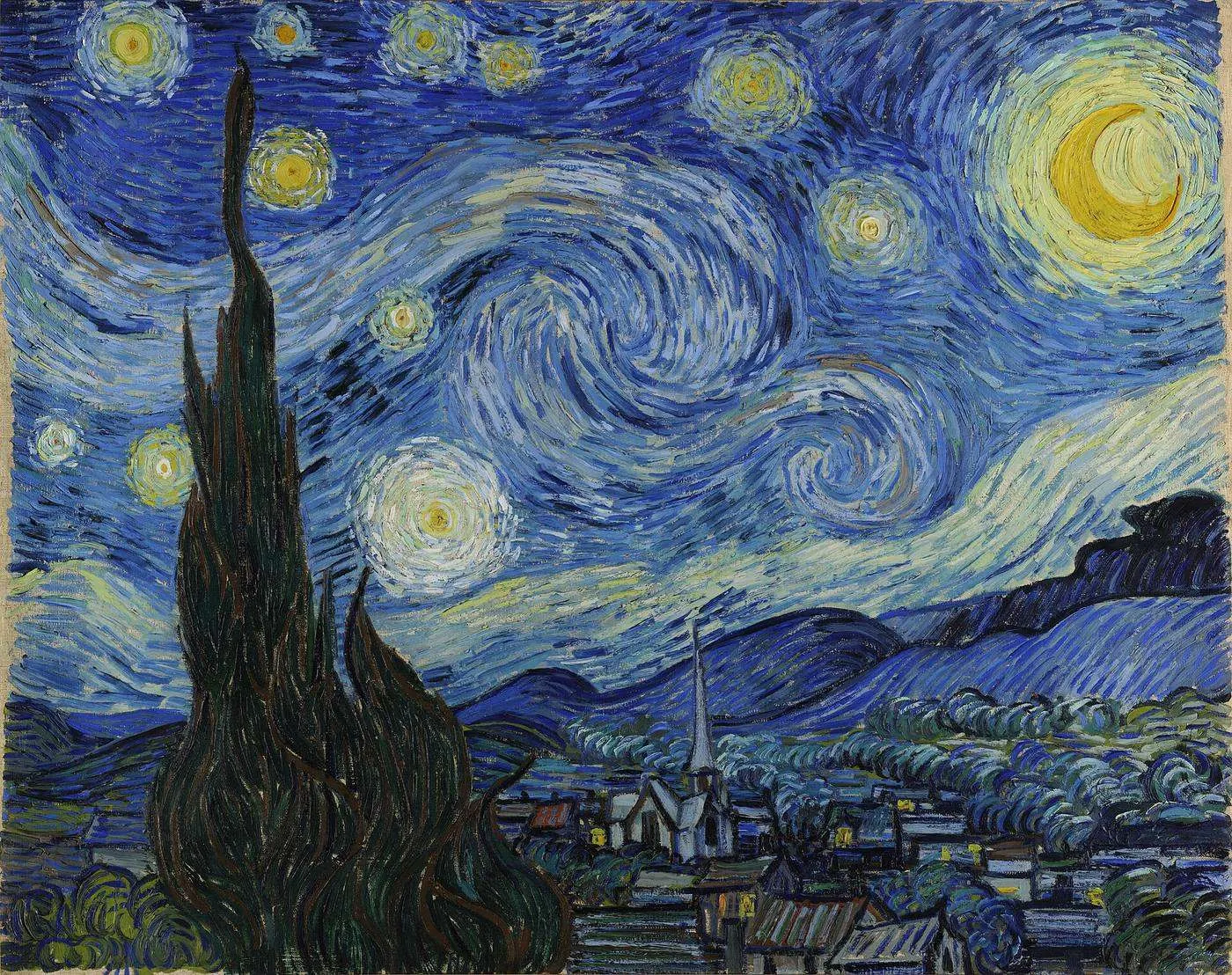
The Starry Night
Vincent van Gogh
Hand-painted · any size
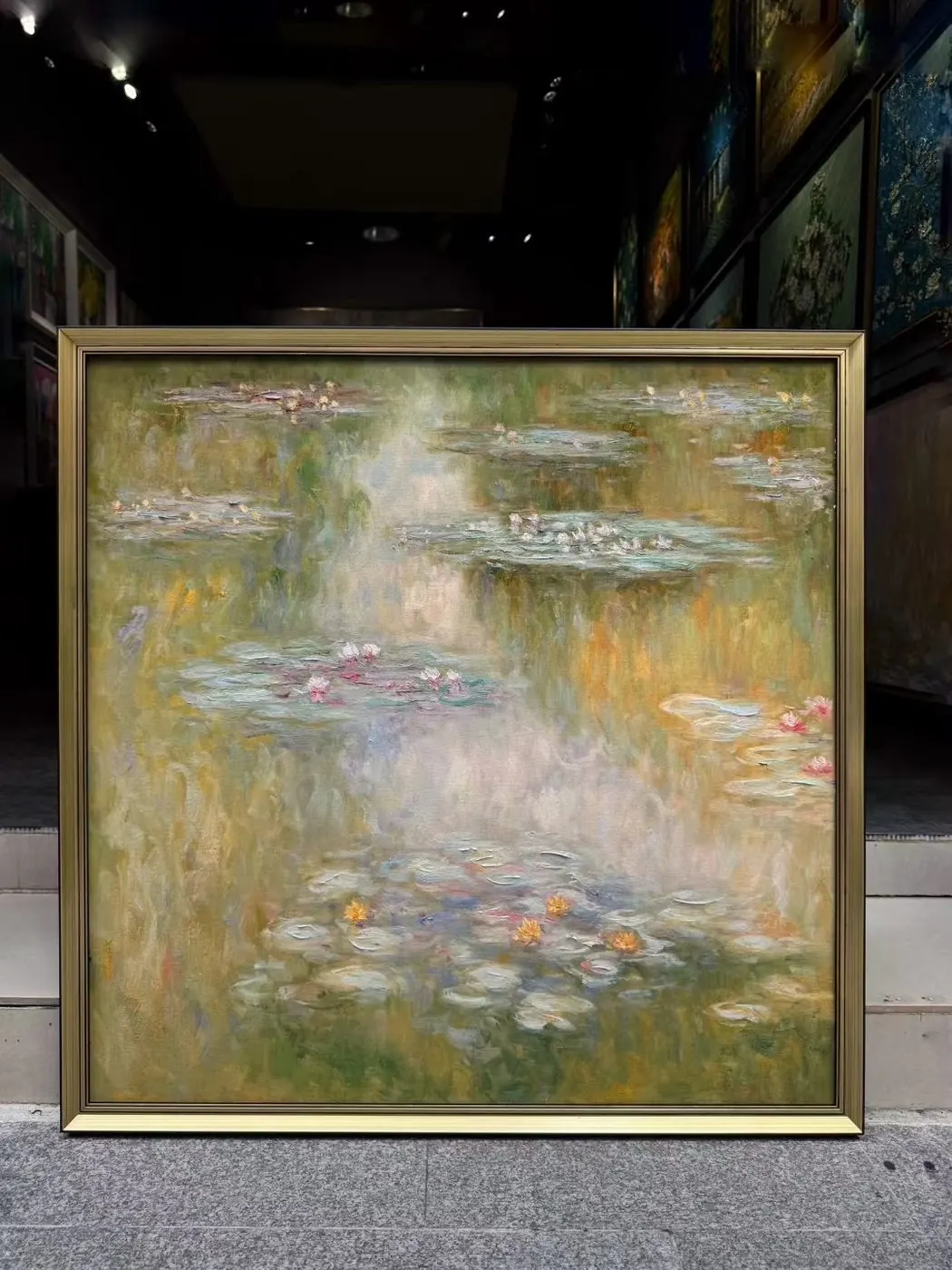
Water Lilies
Claude Monet
Hand-painted · any size
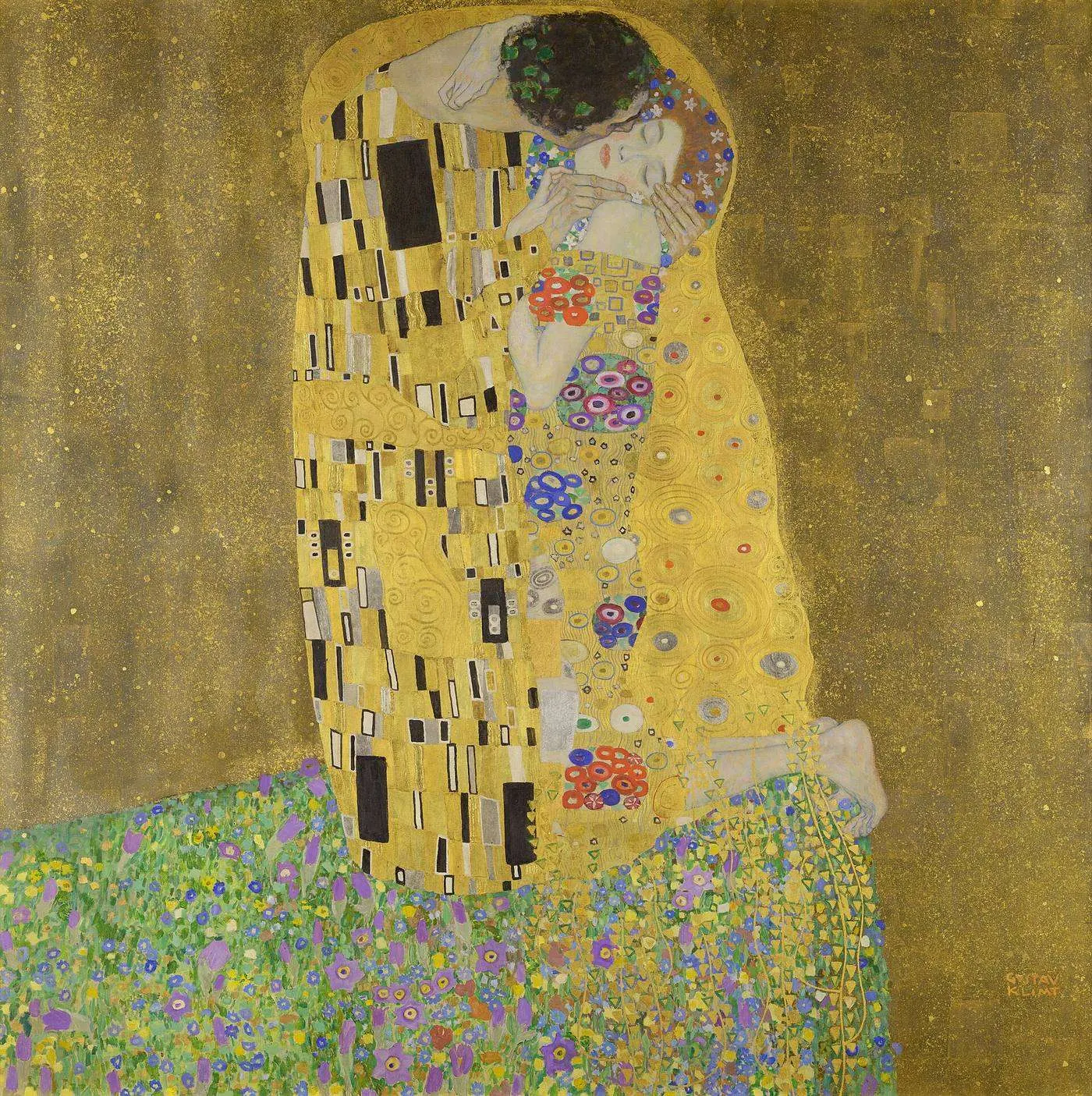
The Kiss
Gustav Klimt
Hand-painted · any size
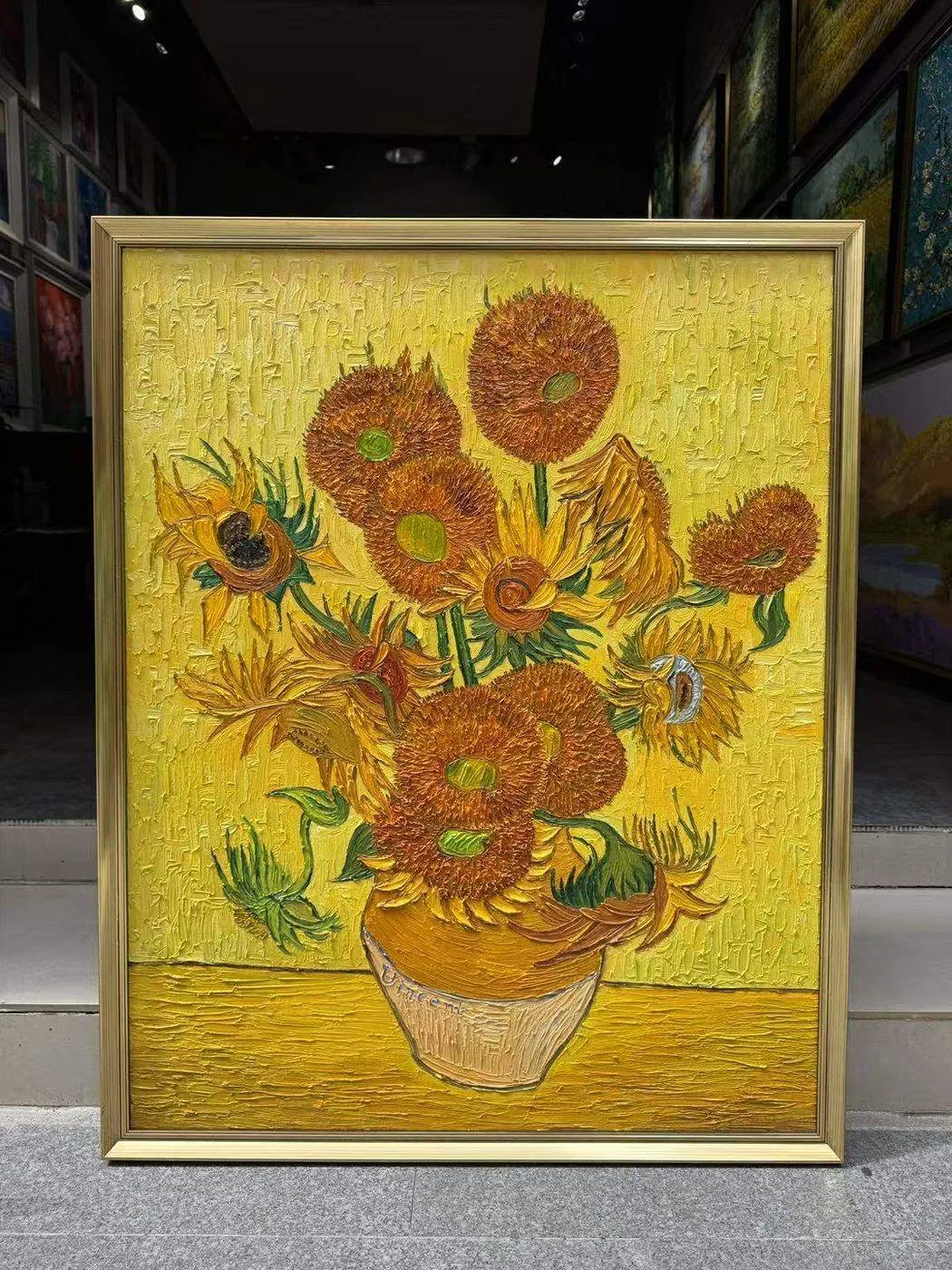
Sunflowers
Vincent van Gogh
Hand-painted · any size
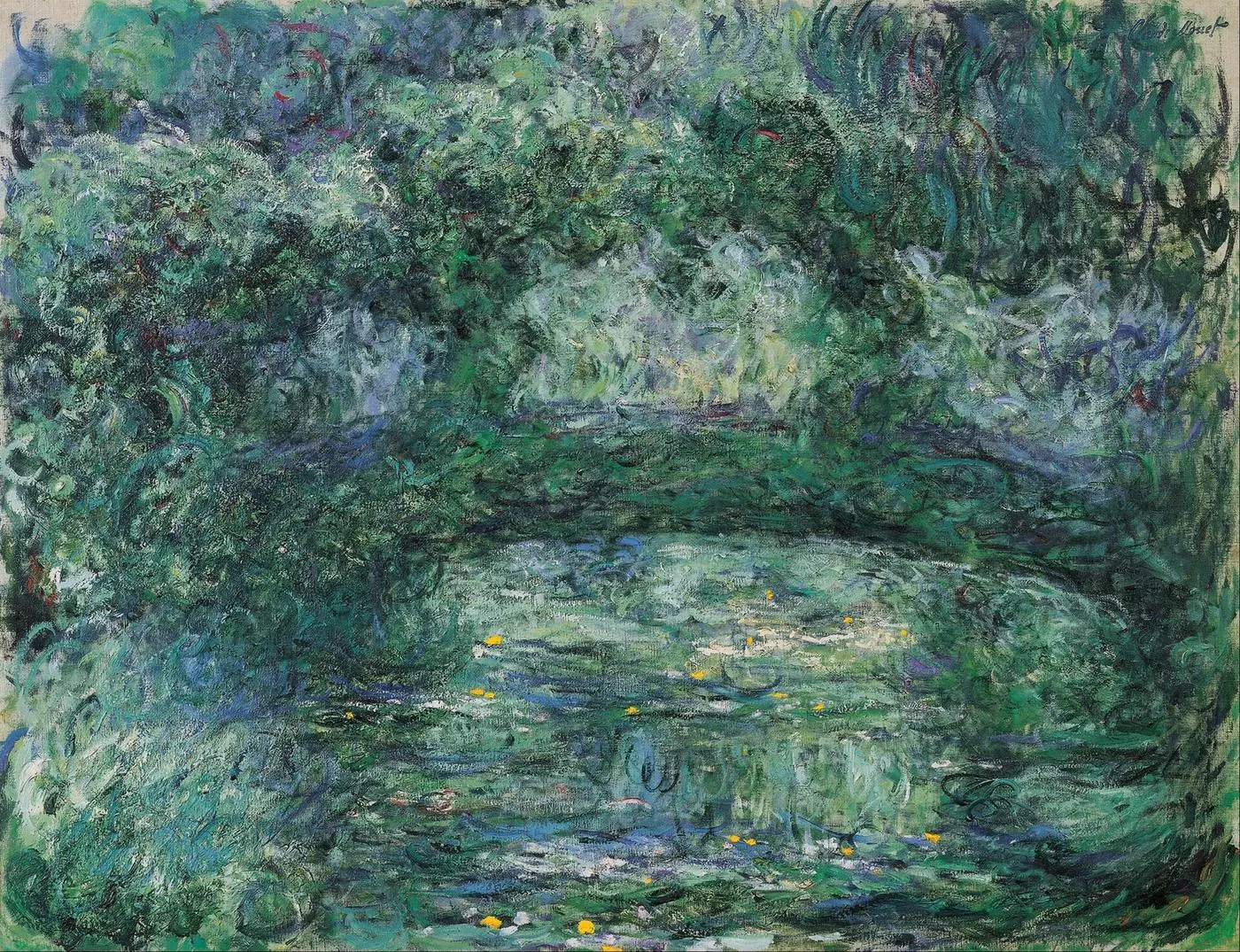
The Japanese Bridge
Claude Monet
Hand-painted · any size
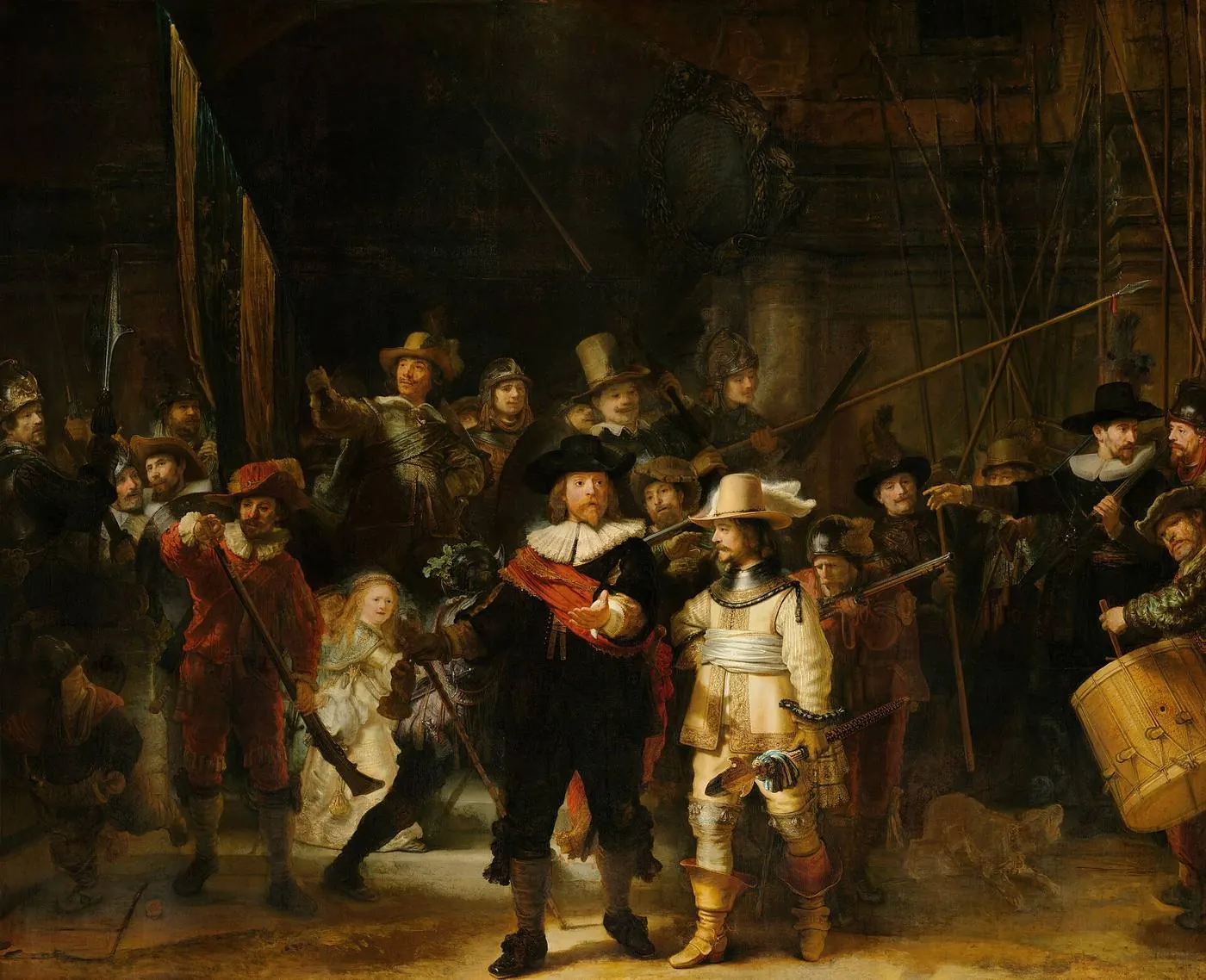
The Night Watch
Rembrandt
Hand-painted · any size
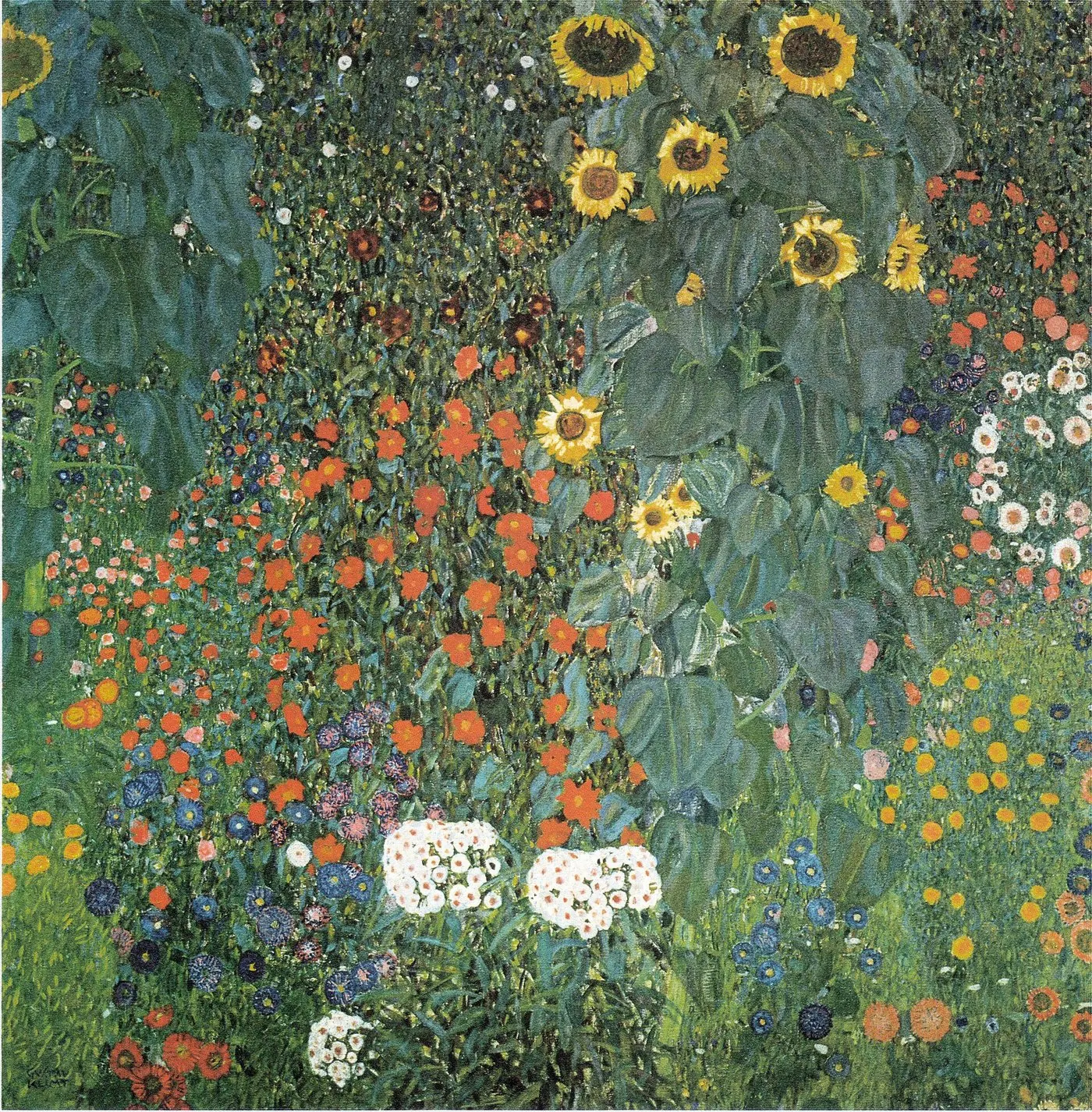
Farm Garden with Sunflowers
Gustav Klimt
Hand-painted · any size
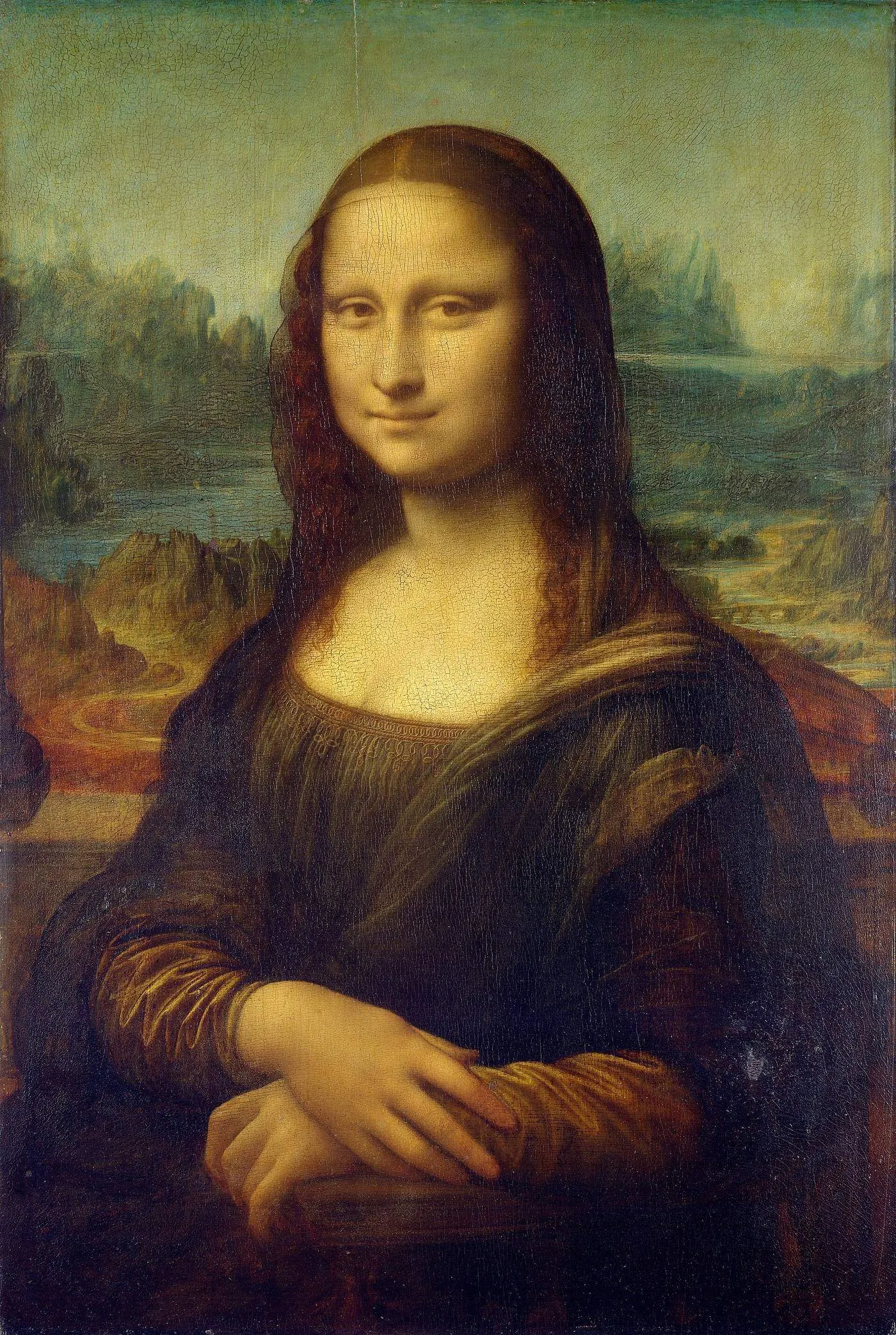
Mona Lisa
Leonardo da Vinci
Hand-painted · any size
Hand-painted to order in Dafen Oil Painting Village. Every canvas is painted from scratch, so brushwork varies slightly from piece to piece.
Up to about 90 × 120 cm is a standard canvas and behaves normally. From 100 cm on the long edge you are in large territory, and from 150 cm you are in oversized — that is where the stretcher, the packing and the wall fixing all change. We also paint panoramic formats such as 60 × 180 cm and 90 × 240 cm for long walls above sideboards, beds and corridors.
A plain four-sided stretcher will bow under its own weight above about a metre, and bowing shows up as a visible sag in the middle of the canvas and, eventually, as cracking along the slack. Large pieces get a cross-brace — one or more internal bars — and heavier-gauge bars than a small canvas. This is the single most important thing about large oil paintings and the one suppliers quietly skip.
Rolled in a tube is cheap and safe, but there is a practical ceiling: we roll up to about 150 cm on the long edge. Above that — and for any heavy impasto at any size — the canvas ships stretched and crated, because rolling thick paint risks cracking it and because a rolled canvas that long is awkward to handle. Crated freight costs more and takes longer, which is why size has a real effect on the delivered price rather than just on the painting price.
A 120 × 180 cm framed canvas is typically 12–18 kg. Do not hang that on a single nail or a plasterboard toggle. Use a French cleat — two interlocking battens, one on the wall and one on the frame — fixed into at least two studs, or into masonry with anchors. If you are unsure what is behind the wall, tell us at the quote stage and we can supply the cleat and the fixing specification with the painting.
People buy too small. A 60 × 90 cm canvas on a four-metre wall looks like a mistake from across the room, and it is the most common regret we hear about. If you are choosing between two sizes for a large wall, take the larger one. Art that is slightly too big reads as confidence; art that is slightly too small reads as an afterthought.
A large canvas is not just more paint — it is more layers, and each layer has to dry before the next goes on, so drying time compounds rather than adds. Allow 9–15 days for a standard canvas and longer for anything above 150 cm or with heavy impasto. The completion date is fixed with the quote, before any deposit is paid.
Photograph the wall, tell us roughly how wide it is, and attach any reference you like. We will come back with a size, a palette and a price — no obligation, and no account to create.
A working studio inside Dafen Oil Painting Village, Shenzhen — since 2016. Every line below runs through the same floor and the same WhatsApp number.