Why hand-painted, not printed
Start with the difference that matters most. A giclée or poster is ink on a flat surface — uniform, smooth, lifeless up close. A hand-painted oil reproduction has physical paint sitting on the canvas in layers, with raised brushstrokes you can feel. That texture is what makes a Van Gogh sunflower glow and a Monet water scene breathe.
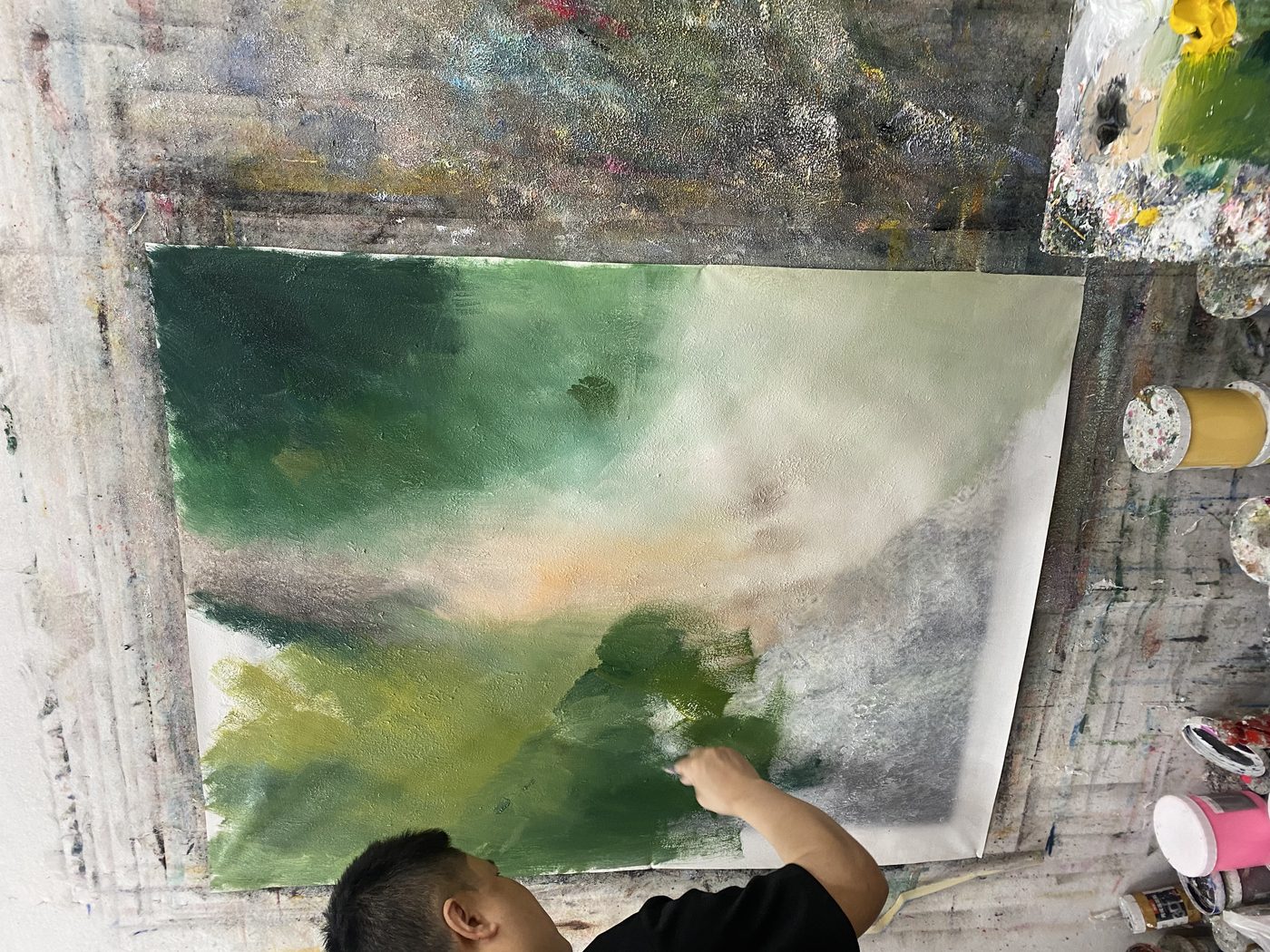
The five stages, step by step
1. Prime the canvas
A stretched artist-grade cotton or linen canvas is primed so the oil bonds and ages well. This foundation decides how the paint sits for decades.
2. Block in the composition
The painter lays down the main shapes and color fields — the bones of the picture — using a high-quality reference of the original or your photo.
3. Build detail and impasto
Layers of oil are worked up. For masters like Van Gogh, the paint is genuinely thick and raised; for portraits, the face gets the slowest, most careful attention.
4. Glaze and finish
Thin glazes deepen the color and unify the surface. The painter steps back, compares to the reference, and corrects what is off.
5. Cure, photograph, approve
Oil cures over days to weeks. Once stable, the finished painting is photographed and sent to you for approval before it ships.
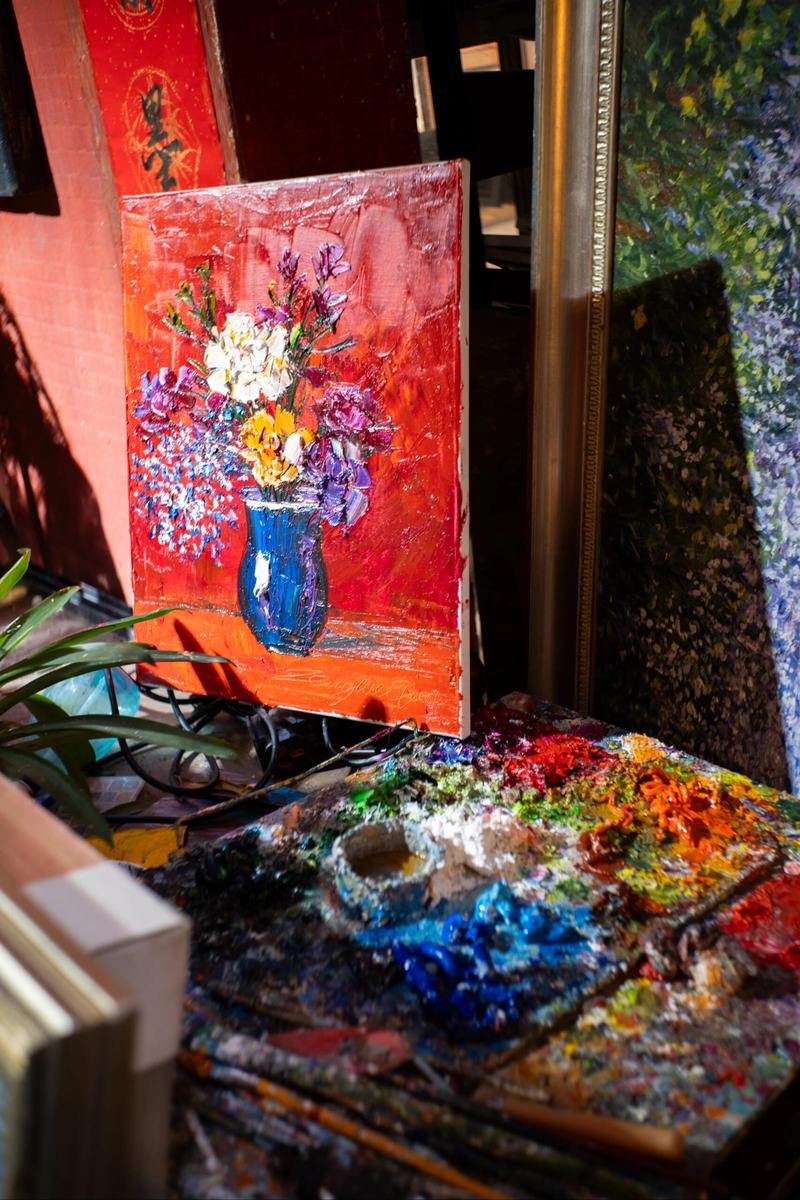
How the masters are reproduced
For public-domain artists — Van Gogh, Monet, and other masters whose works are no longer under copyright — the studio paints a faithful hand-painted copy: same composition, palette, and visible brushwork. We never sell these as originals, and we never issue a certificate of authenticity for a copy.
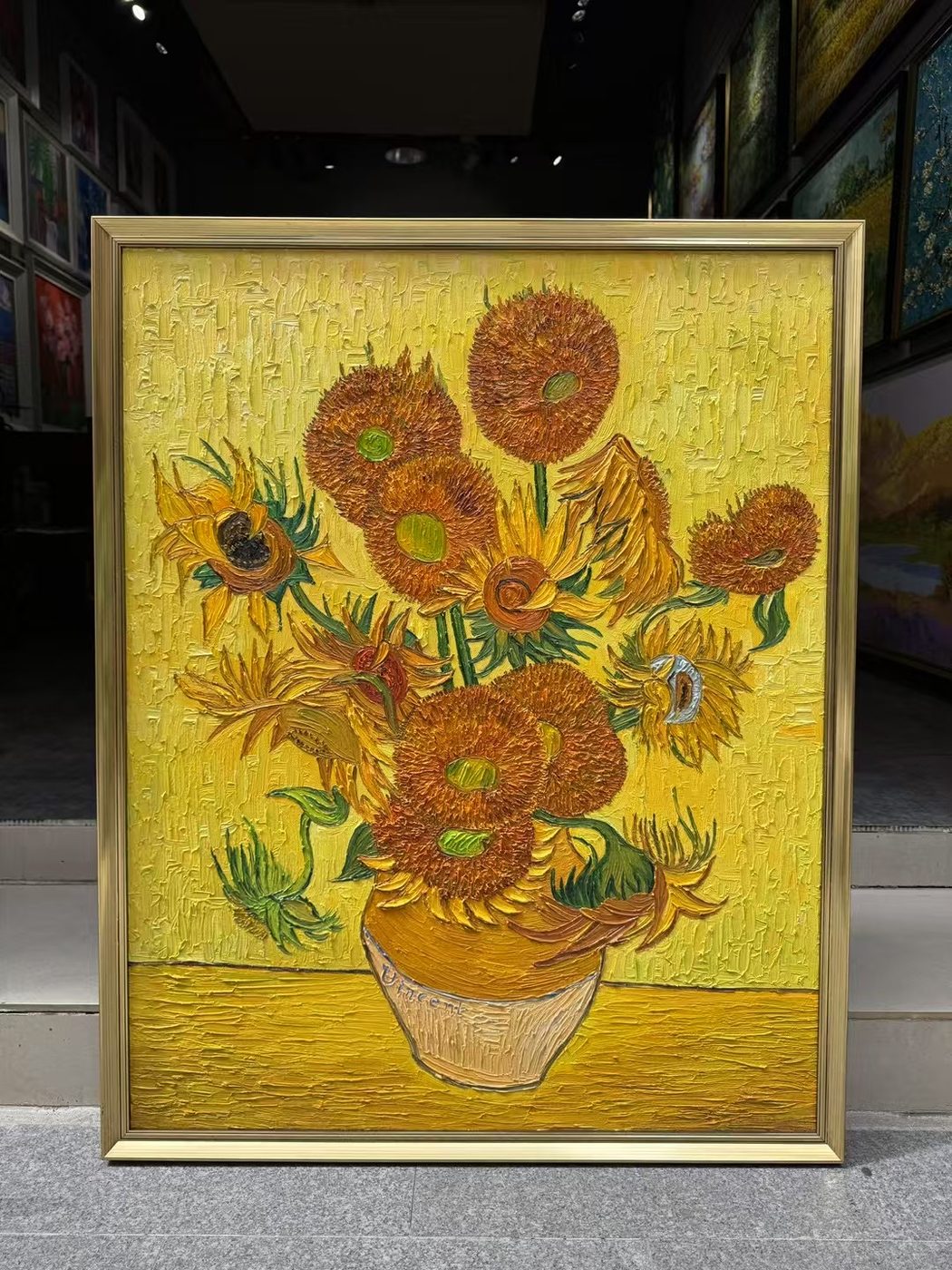
Van Gogh-style copies
The thick, built-up impasto is the signature challenge — and the reason a print can never match it.
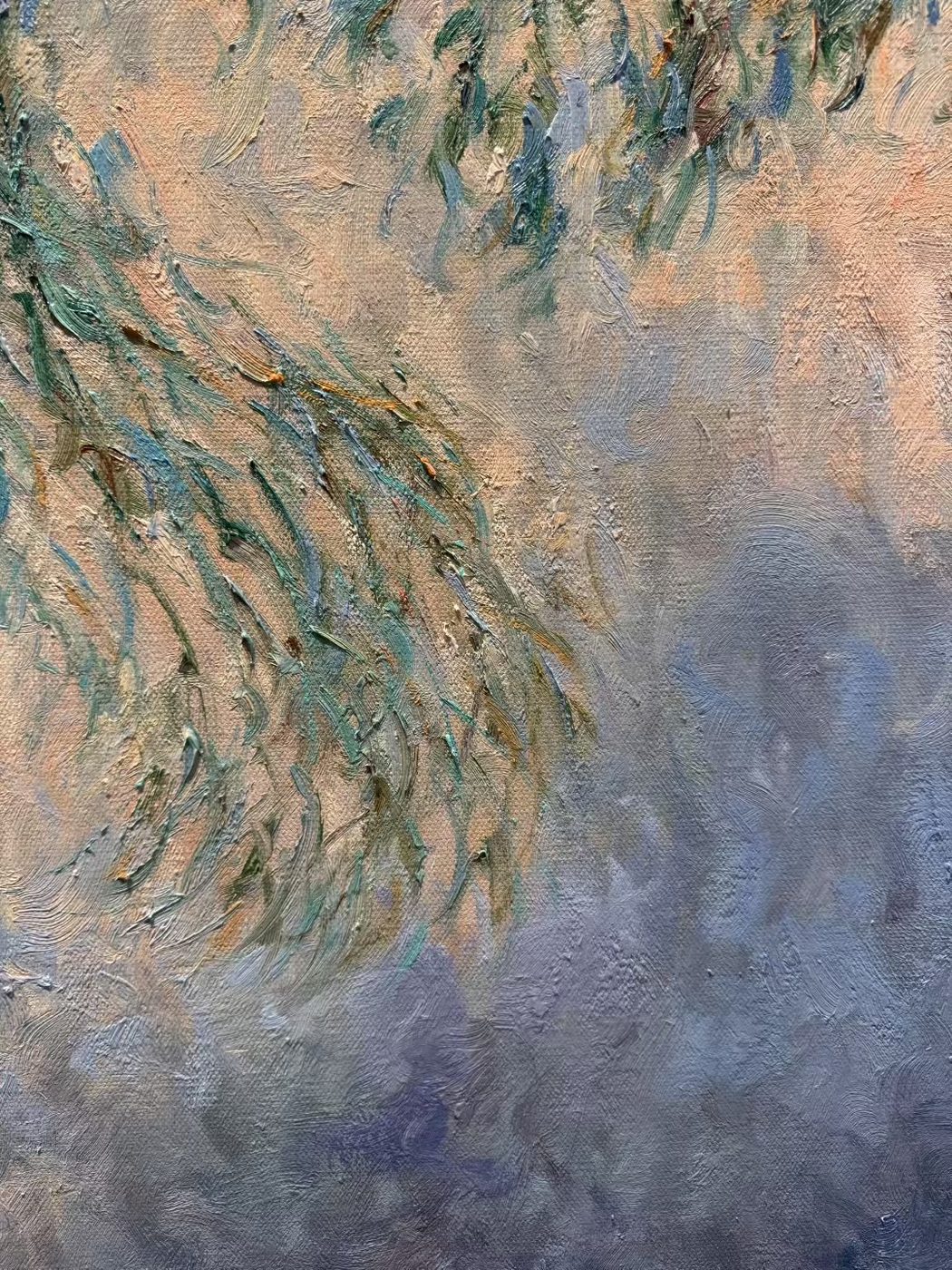
Monet-style copies
Loose, luminous strokes that only read correctly when painted by a hand that has done them many times.
Custom paintings from your photo
The same five stages apply to a pet portrait, a family photo, or a memory you want on canvas. You send a clear photo; the painter blocks it in, builds the detail, and finishes it as oil. For people and animals, the eyes and proportions get the most passes — that is what makes it "look right."

Finished-photo approval & shipping
Our process is built around one promise: you see the finished painting before it ships.
- You send the painting/photo, size, and frame preference.
- We confirm the plan, timeline, and shipping quote via WhatsApp.
- You pay a 70% deposit to start.
- The painter creates the canvas; when nearly done we send finished-photo approval.
- You pay the 30% balance after approving the photos; we pack and ship worldwide (DAP — import duties & taxes are the buyer's responsibility).
We do not promise ongoing progress photos, and we do not offer money-back guarantees. Tell us what to adjust and we adjust it before shipping.
Choosing size and frame
| Wall / use | Recommended canvas size | Why |
|---|---|---|
| Bedside or reading nook | 30 × 40 cm / 12 × 16 in | Personal scale |
| Standard sofa wall | 60 × 80 cm / 24 × 32 in | The classic above-the-sofa size |
| Living room statement | 90 × 120 cm / 36 × 48 in | Reads across the room |
| Lobby / large entry | 120 × 160 cm / 48 × 63 in or larger | Large walls need large art |
Frames: gold leaf, walnut, matte black, or frameless floating canvas. A real wood frame makes the work look finished.
FAQ
Are Dafen oil paintings really hand-painted?
Yes — primed, blocked-in, detailed, glazed, and finished by artists in oil on canvas.
How long does a custom painting take?
Most take 2–4 weeks by size and queue. We confirm the timeline in writing before the deposit.
Do you send progress photos?
We do not promise ongoing progress photos; we send finished-photo approval before shipping.
Can I request changes after the photo?
Yes — tell us what to adjust and we adjust it. We do not promise unlimited free revisions.
What canvas and paints are used?
Artist-grade cotton or linen and oil paints — never acrylic for an oil reproduction.
How is it shipped?
Packed with acid-free paper and corner protection, shipped worldwide by tracked courier on DAP terms.
Do you reproduce copyrighted artists?
Only public-domain works (Van Gogh, Monet) or images you own. No forgeries, no mislabeling.
Why does oil take time to dry?
Oil cures by oxidation over days to weeks — which is why we photograph and pack only once it is stable.
Send the painting or photo, your size, and frame — we will reply with a quote and timeline.
💬 Chat on WhatsApp