Where Dafen is — and what it is
Dafen Oil Painting Village sits in Longgang District, in the northwestern part of Shenzhen, Guangdong Province, China. Today it is the best-known concentration of oil-painting studios in the world — a place where thousands of painters work side by side, brush in hand, producing everything from Van Gogh copies to your dog's portrait.
But "village" is a slightly misleading word. Dafen is not a rural town with wheat fields. It is a dense, urban warren of studios, supply shops, framing workshops, and wholesale corridors — a neighborhood that has organized itself entirely around one craft: the hand-painted oil painting.
The quiet hamlet before the paint
Go back far enough and Dafen was unremarkable. Like many settlements in the Pearl River Delta, it was a place of small-scale farming and fishing, shaped by the rhythms of the river and the rice calendar. There were no art schools, no galleries, no export containers. The idea that this spot would one day ship millions of canvases overseas would have sounded absurd.
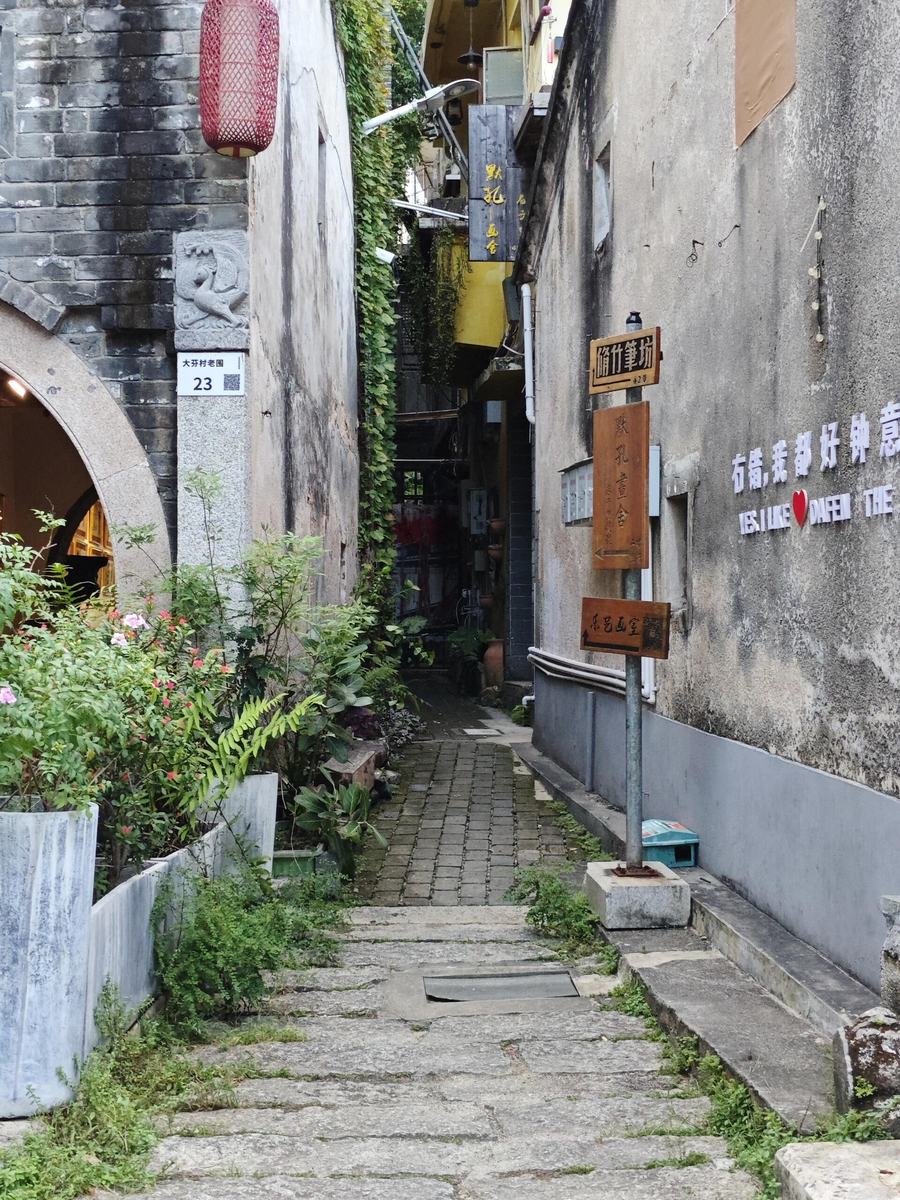
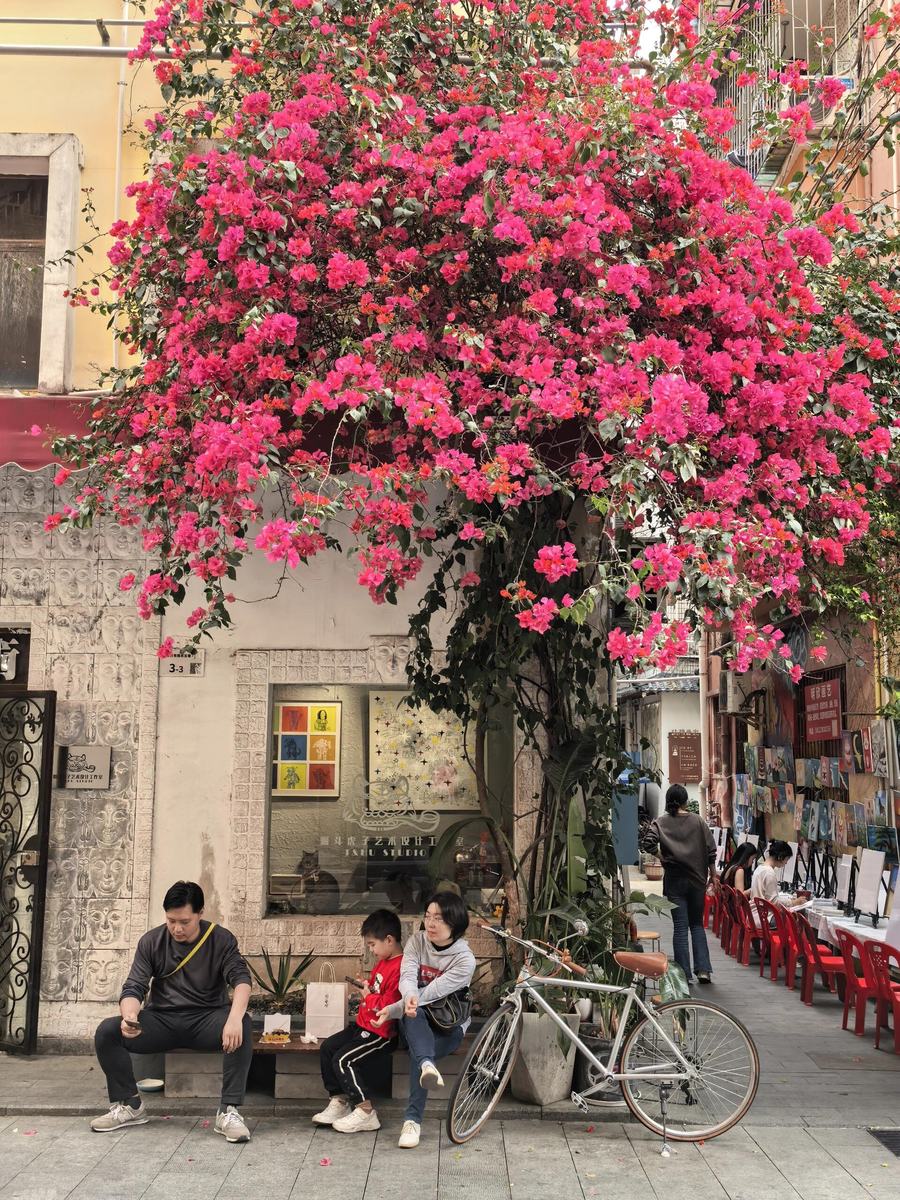
The old alleyways still hint at that past. Cobbled lanes, low buildings, and a slower scale sit underneath the studio signs — a layer of village history the paint has not quite covered.
The turning point in the 1980s–90s
The change began in the late 1980s and early 1990s, as Shenzhen itself transformed from a fishing-border town into China's flagship special economic zone. Entrepreneurs and painters — many arriving from Hong Kong and other regions with training in Western oil techniques — saw an opportunity: produce hand-painted copies of famous paintings at a scale and price the West could not match.
They set up studios in Dafen. Demand followed. A village that had never painted for a living became, within a decade, a place where painting was the living.
How a village became a factory of artists
Dafen's secret was not one genius painter. It was division of labor. Instead of a single artist painting an entire copy solo, studios broke the work into stages — underpainting, detail, glazing, finishing — and painters specialized. One might be brilliant at skies, another at faces, another at the heavy impasto of a Van Gogh.
This is why the village could scale. A single workshop could output consistent, hand-painted canvases in volume, while keeping quality steady. The result: a "factory" that was really a federation of small studios, each feeding the same pipeline.
Dafen today: museum, square, and global export
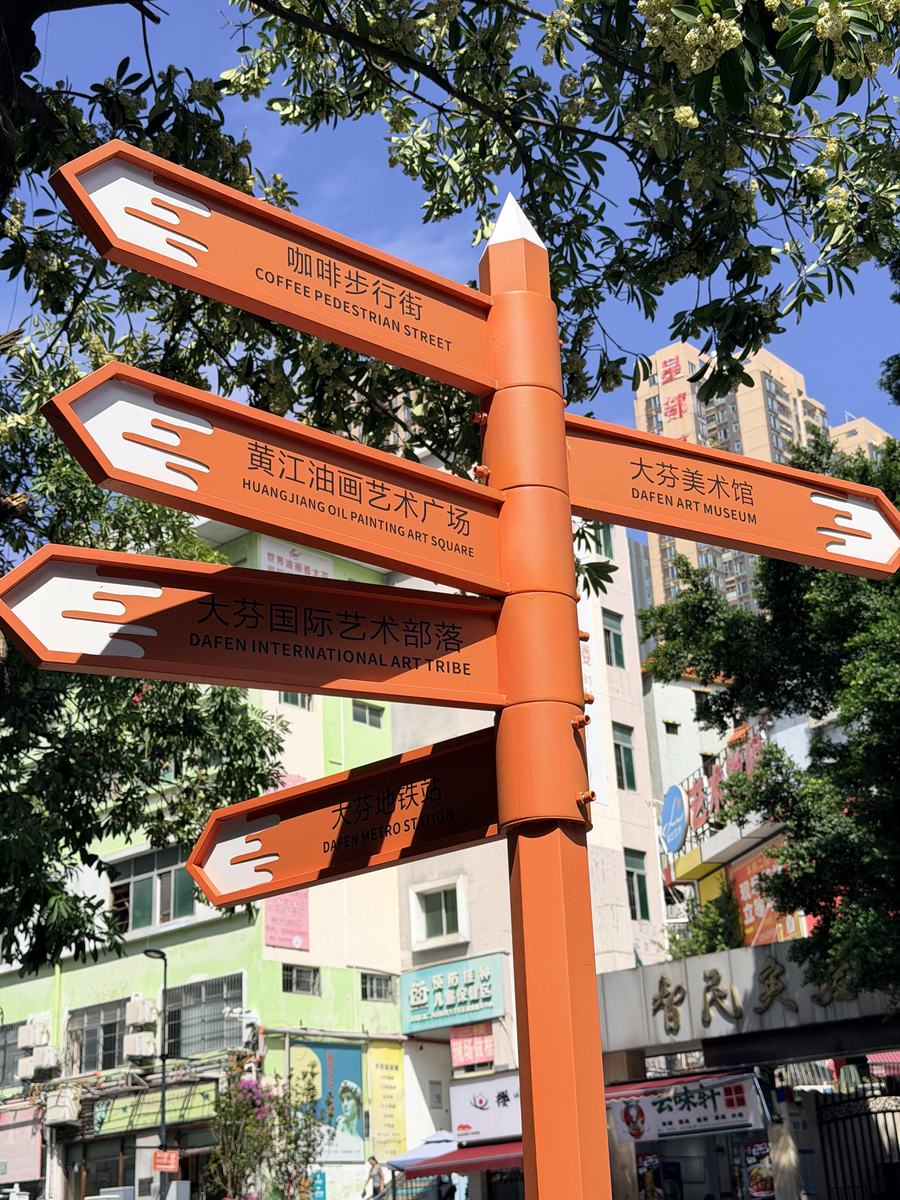
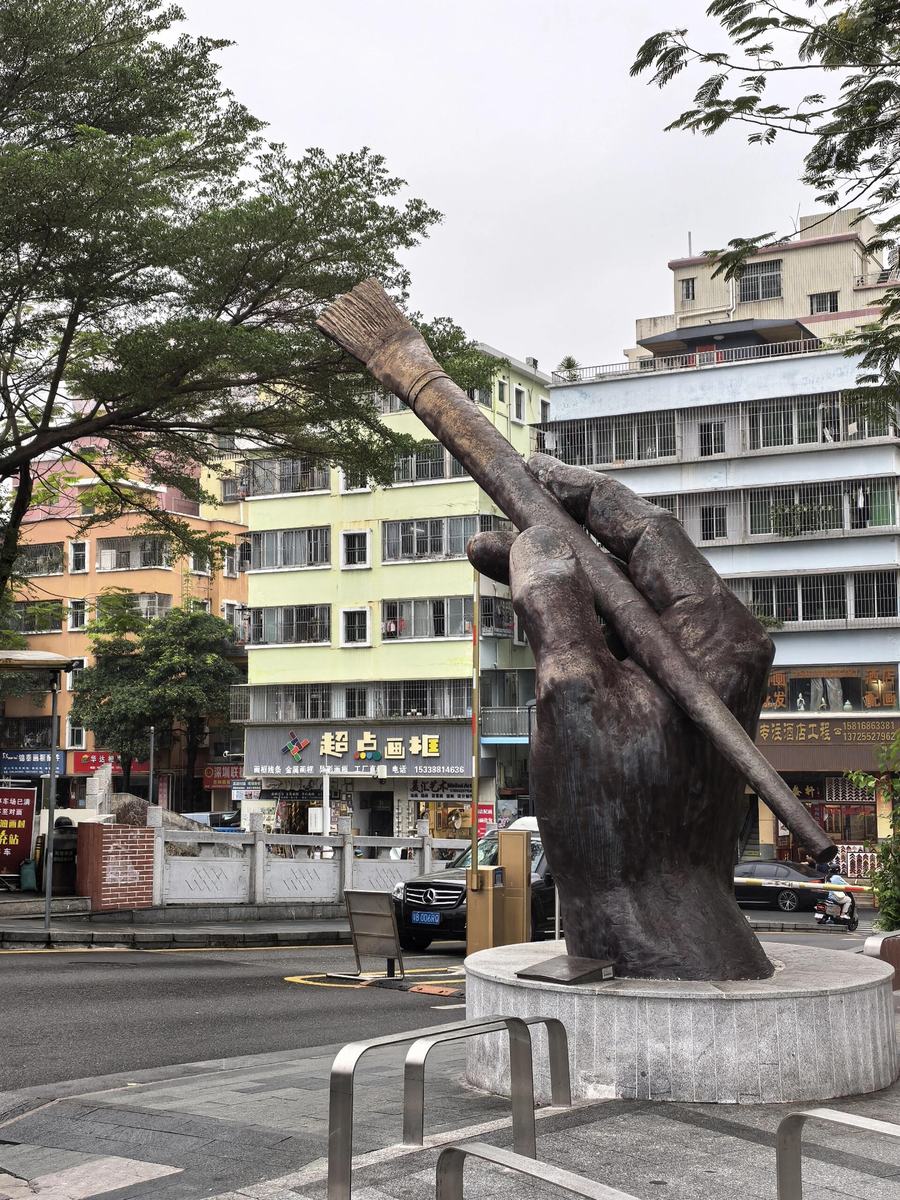
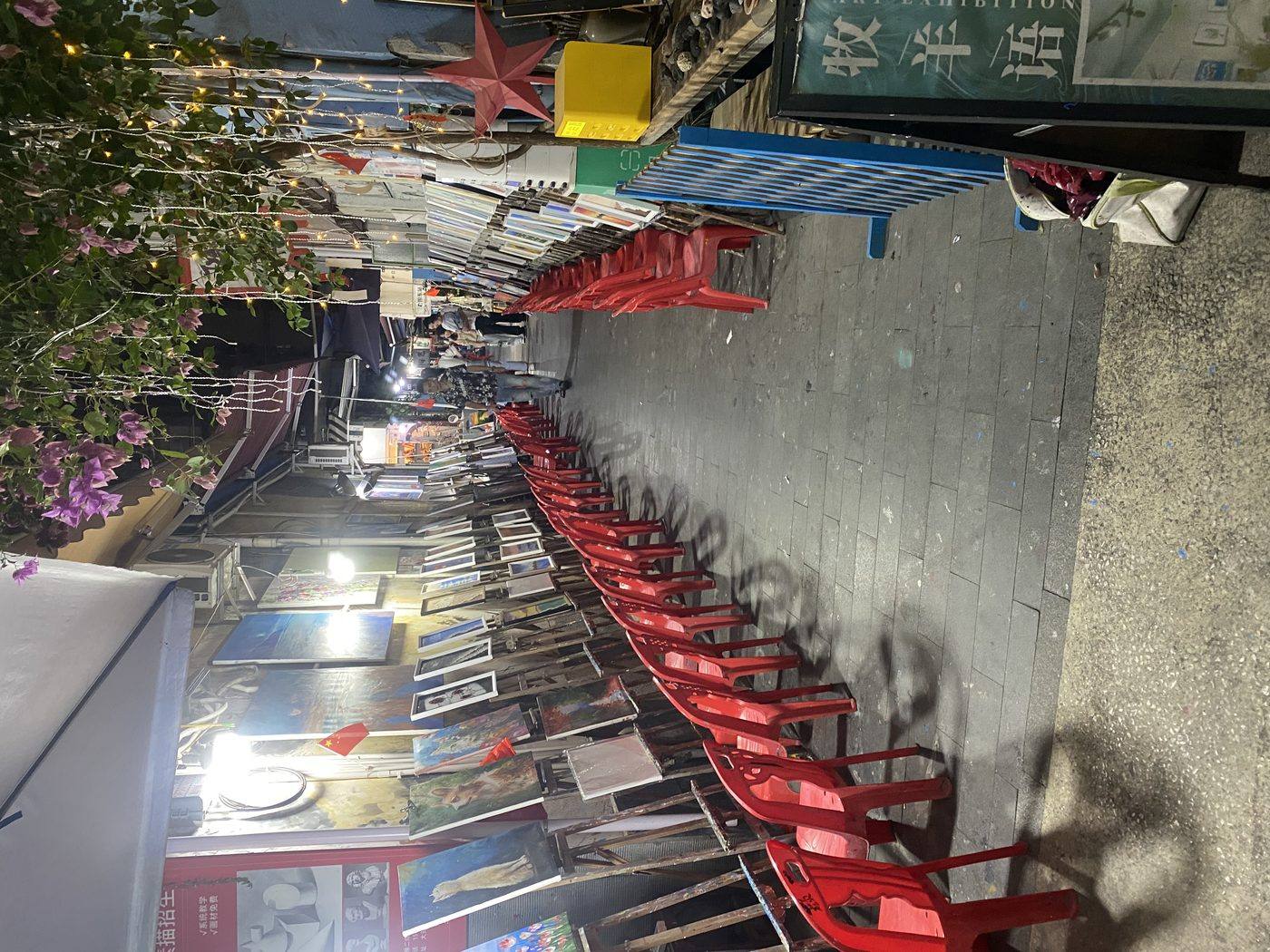
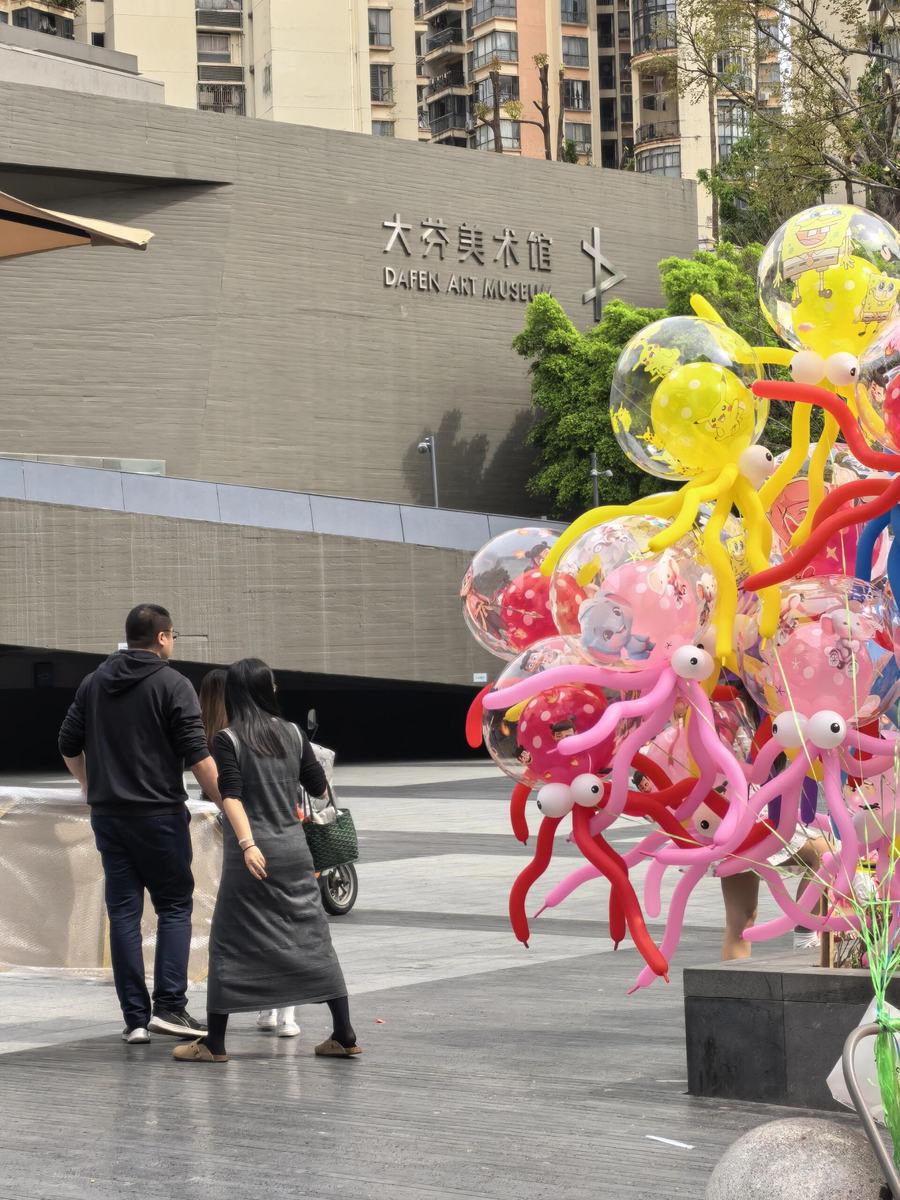
Modern Dafen is part working studio, part cultural destination. There is a small art museum, public sculpture, and streets of open studios where you can watch painters at the easel. It supplies a large share of the hand-painted oil paintings sold internationally — figures are frequently quoted in the millions of canvases per year.
For a buyer, this matters more than the postcard version of the story suggests. Scale means competitive pricing and deep, repeated skill. A painter who has done the same Monet water lilies two hundred times knows exactly how the light should fall.
Why the history matters when you buy
When you order a hand-painted reproduction, you are plugging into a craft tradition that took thirty years to refine. The division of labor that built Dafen is the same system that lets a studio quote you a fair price and still deliver brushwork that reads as a real painting, not a print.
How a Dafen painter works, step by step
Whether the subject is a public-domain master or your own photo, the hand-painting process is fundamentally the same four stages:
- Prime the canvas. Artist-grade cotton or linen is stretched and primed so the oil adheres and ages well.
- Block in the composition. The painter lays down the main shapes and colors — the bones of the picture.
- Build the detail and impasto. Layers of oil are worked up; in masters like Van Gogh the paint is genuinely thick and raised.
- Finish, dry, and photograph. The painting is left to cure, then photographed for your approval before it ships.

What to see in the village
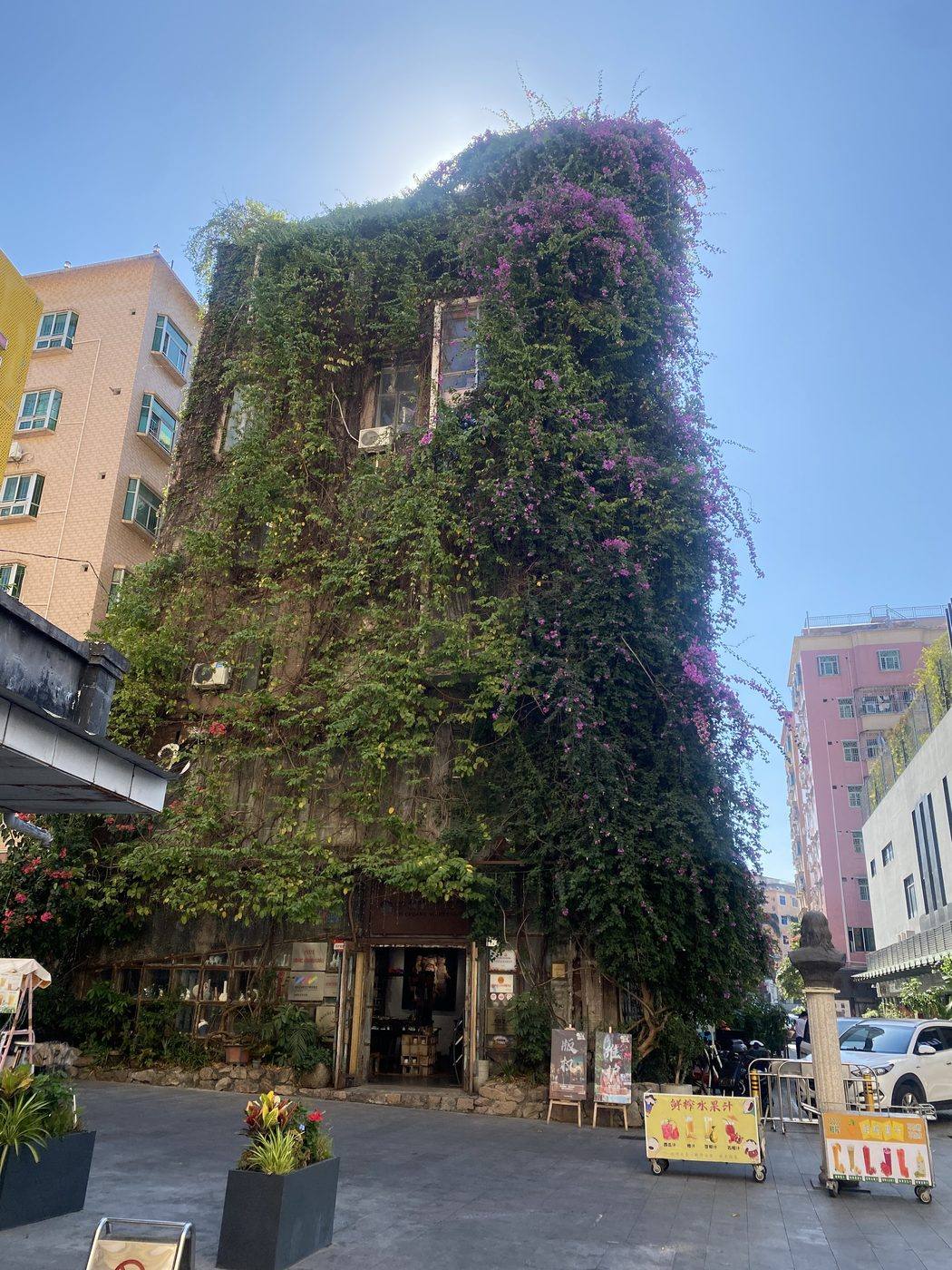
The studio streets
Lanes of open studios where you can watch painters work and browse finished canvases leaning against the walls. This is the working heart of the village.
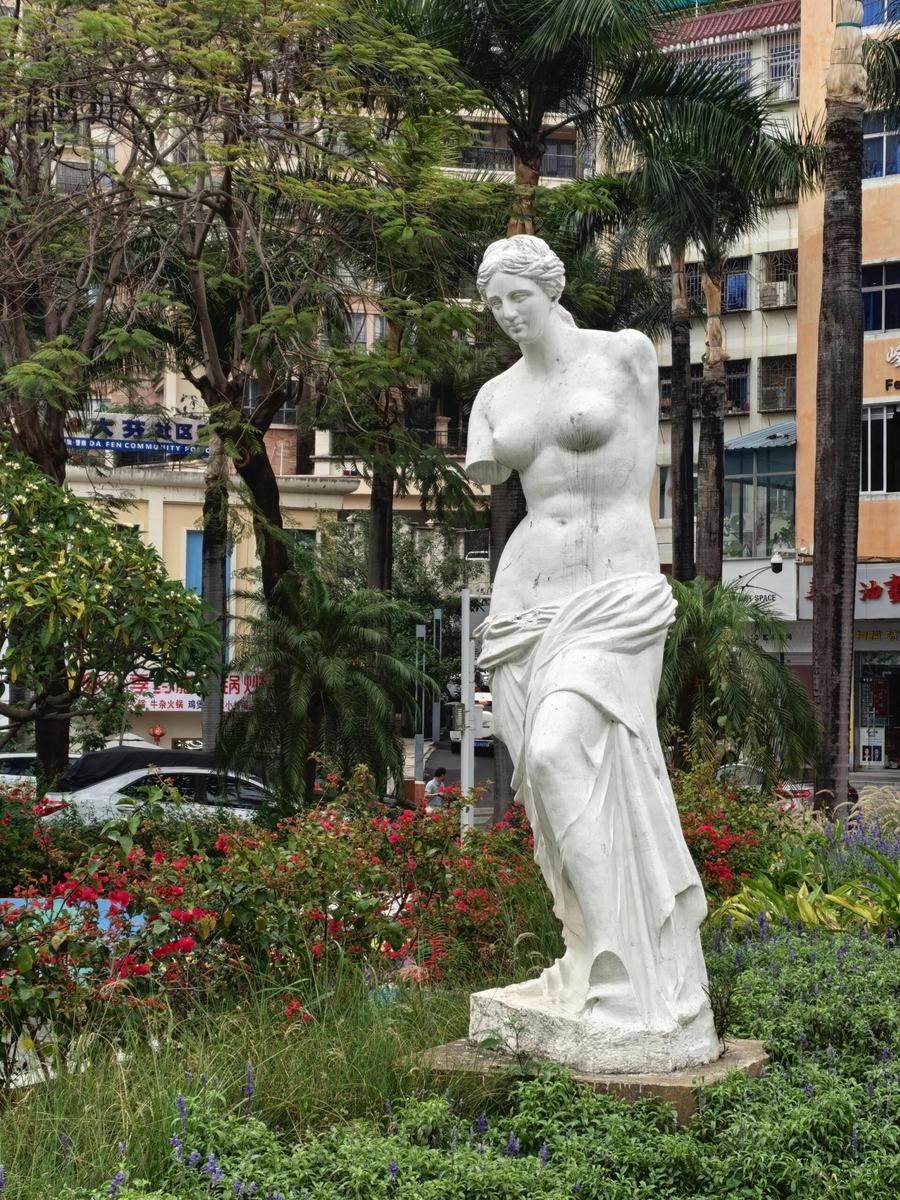
The public squares
Small plazas with sculpture and seating — where the village's identity as a cultural spot, not just a workshop, shows through.
The museum and galleries
The village museum and smaller galleries show both reproductions and original contemporary work from local painters.
Choosing a size
If you plan to bring a painting home from or through Dafen, size is the first decision. A rough guide:
| Wall / use | Recommended canvas size | Why |
|---|---|---|
| Bedside or reading nook | 30 × 40 cm / 12 × 16 in | Personal scale; doesn't fight the room |
| Standard sofa wall | 60 × 80 cm / 24 × 32 in | The classic above-the-sofa size |
| Living room statement | 90 × 120 cm / 36 × 48 in | Reads as a centerpiece across the room |
| Lobby / large entry | 120 × 160 cm / 48 × 63 in or larger | Large walls need large art |
Send us a photo of your wall with rough dimensions and we will suggest the size that fits best.
Frames we offer
Most Dafen studios, ours included, can supply a real wood frame: gold leaf, walnut, matte black, or a frameless floating-canvas finish. A good frame does half the work of making a painting look expensive.
How to order
Ordering from a Dafen studio is straightforward and safe when the process is clear:
- You send the painting you want (link, screenshot, or artist + title) or your photo for a custom piece.
- We confirm size, frame, timeline, and a shipping quote via WhatsApp.
- You pay a 70% deposit to start the work.
- Our painter creates the canvas; when it is nearly done we send you finished-painting photos for approval.
- You pay the 30% balance after you approve the photos; then we pack and ship worldwide (DAP — import duties & taxes are the buyer's responsibility).
We do not promise unlimited free revisions; tell us what to adjust and we adjust it. We do not offer money-back guarantees, and we only ship after you have seen and approved the finished painting.
FAQ
Where is Dafen Oil Painting Village?
It is in Longgang District, Shenzhen, Guangdong Province, China — about an hour from central Shenzhen.
When did Dafen become an art village?
The shift happened in the late 1980s and early 1990s, as painters set up studios there and the village specialized in oil painting.
Are Dafen paintings hand-painted?
Yes. The village is known for hand-painted oil on canvas, not prints. Painters specialize and work in stages.
Does Dafen only copy old masters?
No. Studios also paint custom works from photos, pet and family portraits, and originals. We only reproduce public-domain works or those you own the rights to.
Can I visit Dafen?
Yes. It is open to visitors, with studio streets, a small museum, and public art — and you will see painters actively working.
How many paintings come from Dafen?
Dafen is widely described as the world's largest oil-painting production cluster, often quoted in the millions of canvases per year.
Is ordering from Dafen online safe?
Yes, with a clear studio: deposit to start, finished-photo approval before balance, tracked worldwide shipping with DAP terms.
Why does Dafen's history matter to me as a buyer?
The village's scale and division of labor mean competitive pricing and deep, repeated painter skill — a hand-painted canvas at a fair price.
Tell us which painting, the size, and the frame you have in mind. We will reply with a quote and a timeline.
💬 Chat on WhatsApp