Start with the wall, not the painting
Most people do this backwards. They fall in love with an image online, buy it, and then discover it is the wrong size, the wrong temperature, or the wrong frame for the only wall they had in mind. Before you look at a single painting, do three things in the room itself:
- Measure the wall and the furniture below it. A painting should usually span about two-thirds of the width of the sofa, bed or sideboard it sits above. Write the numbers down; "about a metre" is how people end up with a postage-stamp canvas on a three-metre wall.
- Photograph the wall in daylight. Send that photo to a studio and you get an honest answer about scale and colour, instead of guessing from a screen. We do this every day and it saves more failed orders than any trend guide.
- Name the room's dominant note. Is it warm wood and brass, cool grey and glass, chalky white and linen, or dark and moody? That single note decides whether a golden sunset or a blue-grey seascape will feel at home.
Once those three facts are written down, choosing becomes easy, because you are comparing a candidate against a brief instead of against a vague idea of "something nice."
Match the art to your interior style
Interior style is the strongest filter there is. A painting that looks perfect in a Restoration Hardware showroom can feel like a stranger in a Scandinavian flat, and vice versa. Here is the short version we give trade clients:
Modern / minimal (grey, glass, clean lines)
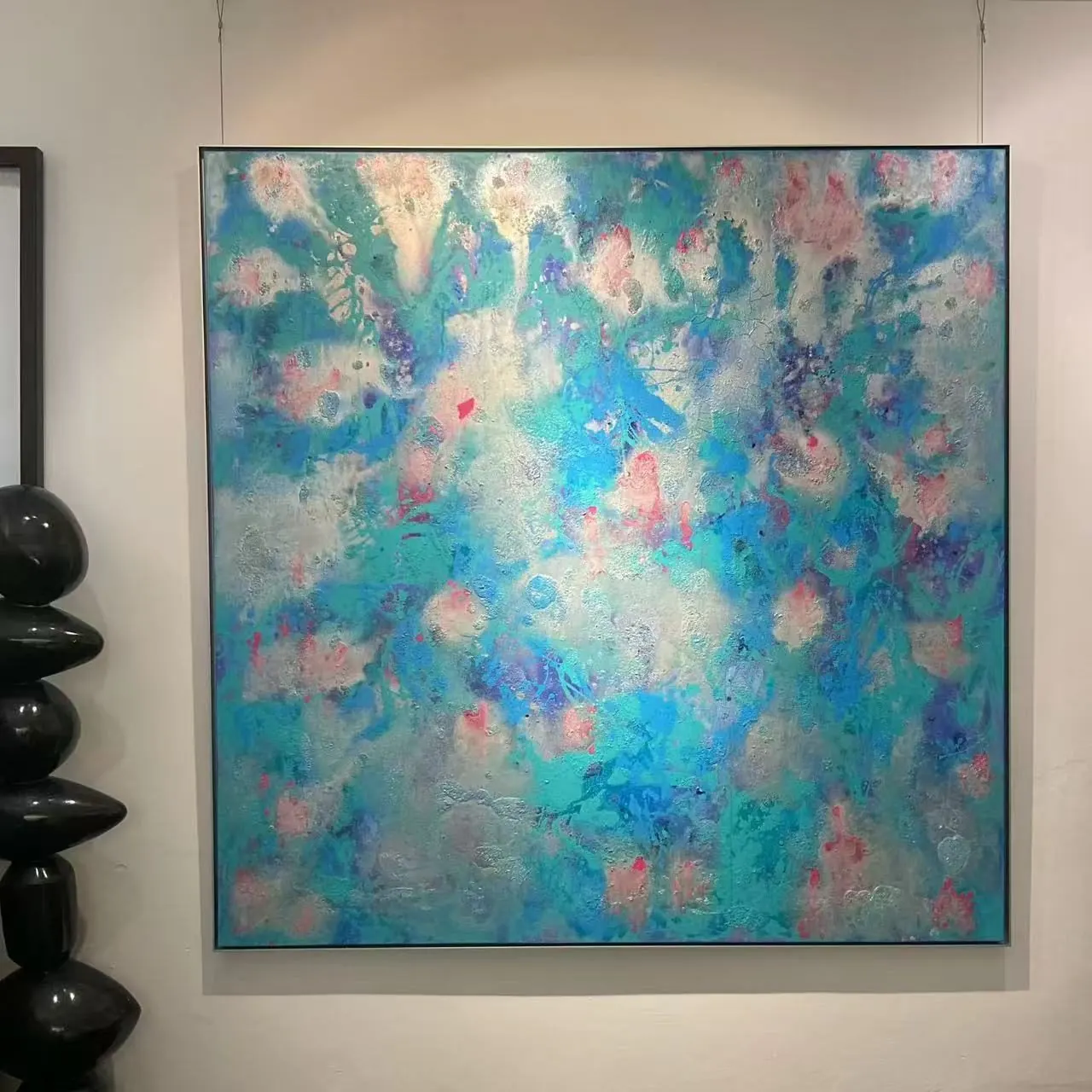
Reach for abstraction, monochrome, or a single calm seascape. Strong, simple shapes read better than busy scenes at a distance. Skip ornate gold frames — a thin matte black or a clean gallery-wrap edge is the answer. A textured blue abstract, for instance, anchors a grey room without fighting it.
Scandinavian / Nordic (white, pale wood, linen)
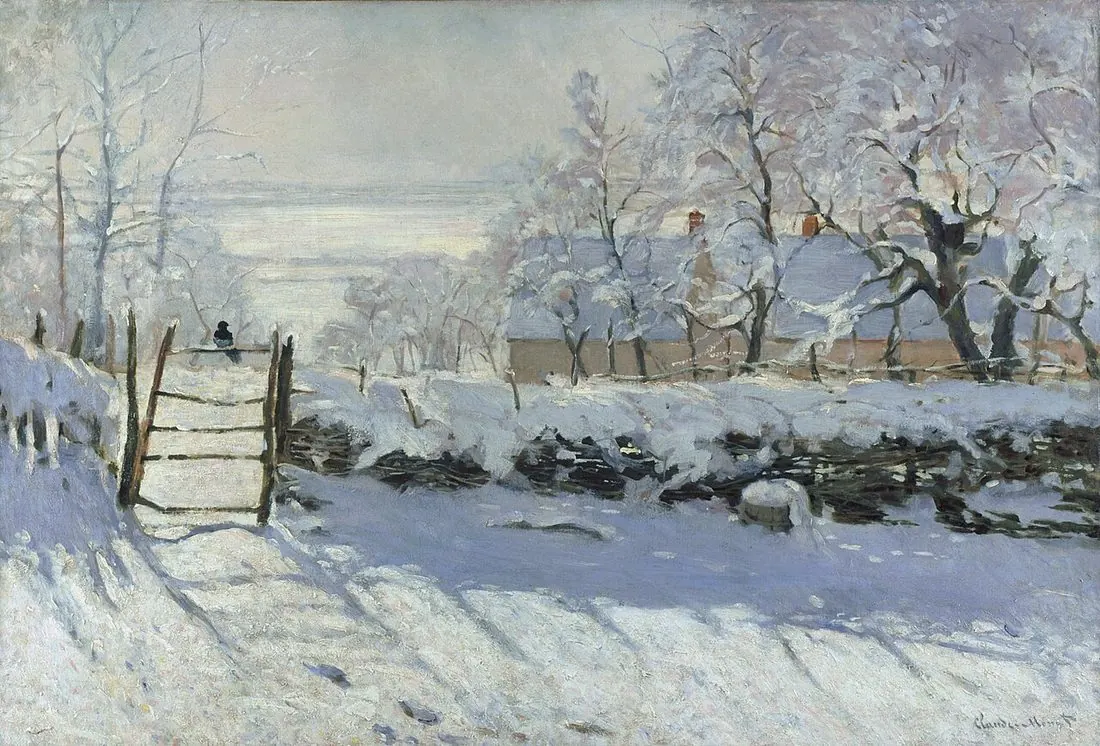
Keep it light and airy. Monet's pale snow scenes or a soft, high-key Impressionist garden work beautifully; so does a quiet seascape. Avoid heavy gilt and dark, dense Baroque canvases, which will look like they wandered in from another house.
Rustic / farmhouse / country
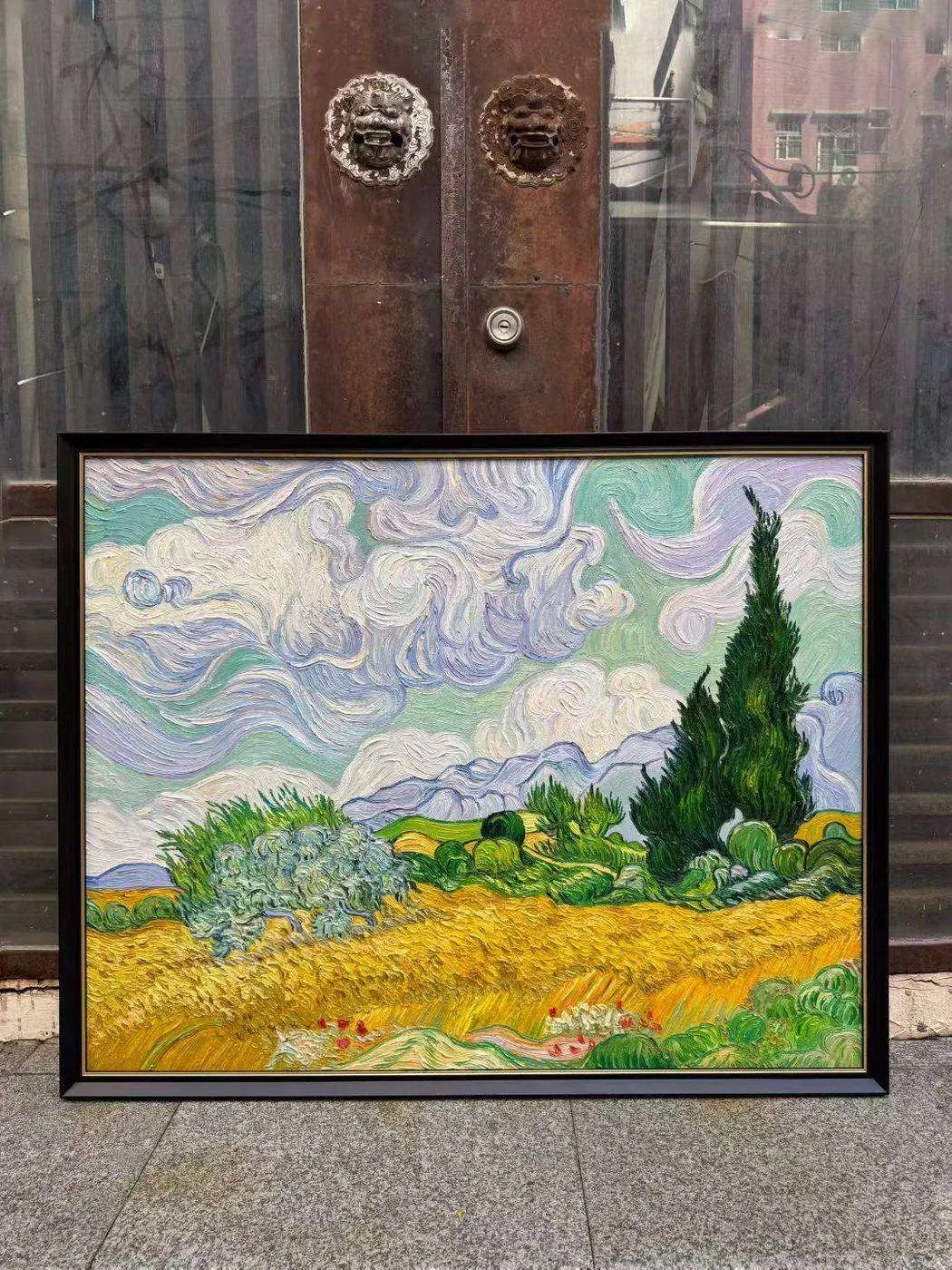
This is where landscape and still life shine. A golden wheat field, a vase of flowers, a pastoral view — warm, textured, a little imperfect. These rooms want visible brushwork and a wooden or simple frame, not slick abstraction.
Industrial / loft (brick, metal, dark wood)
Go graphic. Turner's railways, a moody storm at sea, or a near-monochrome abstract hold their own against exposed brick and black steel. A glossy, pastel piece will look lost.
Traditional / classic (timber panelling, antiques)
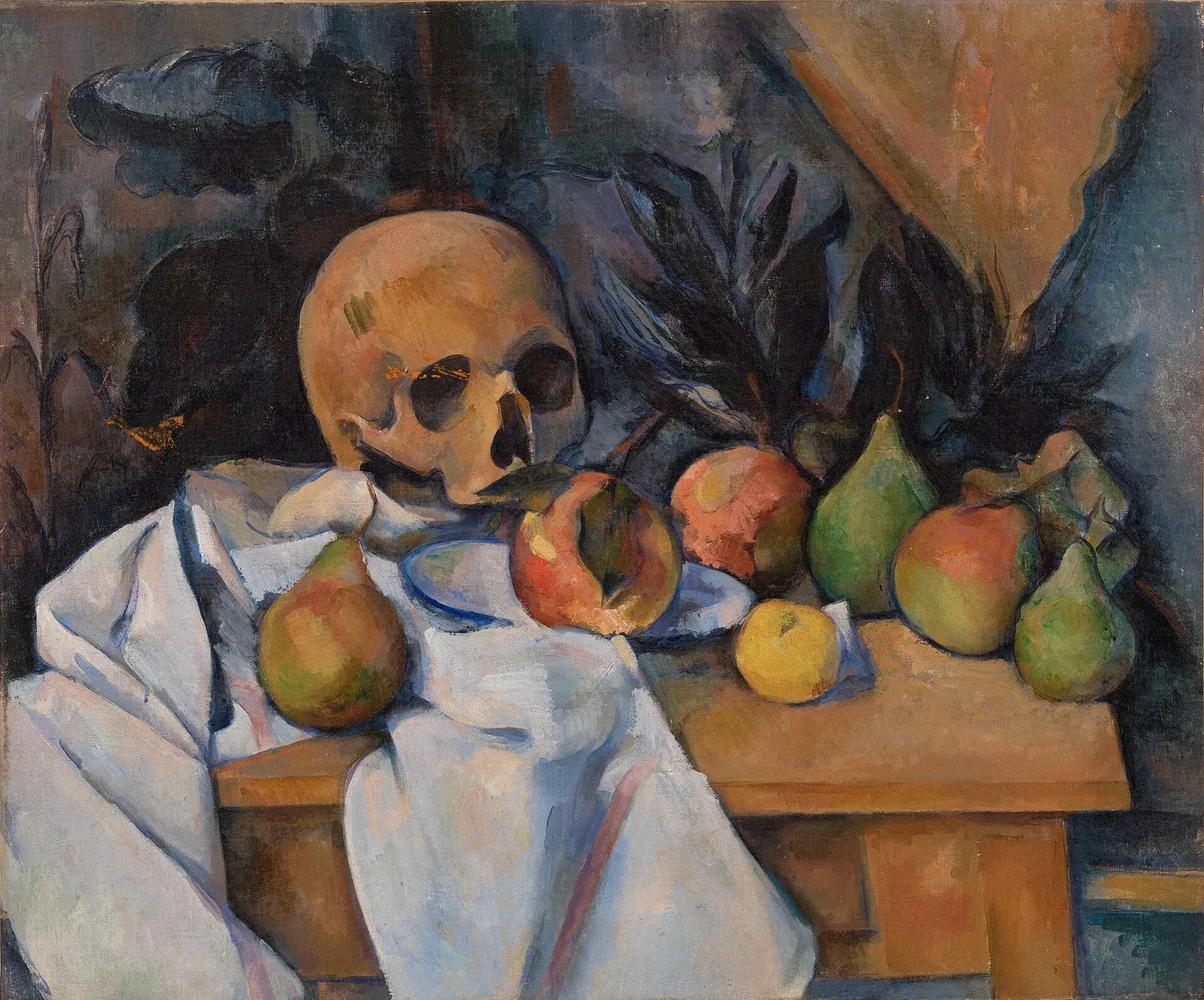
This is the natural home of Old Master reproductions, floral still lifes and warm classical landscapes. A gold or walnut frame is not optional decoration here — it is part of the language of the room. Cézanne's still lifes and Turner's warm marines both belong.
Room by room: what works where
The same painting can feel right in one room and wrong in the next, because light, scale and how long you sit with it change everything.
Living room
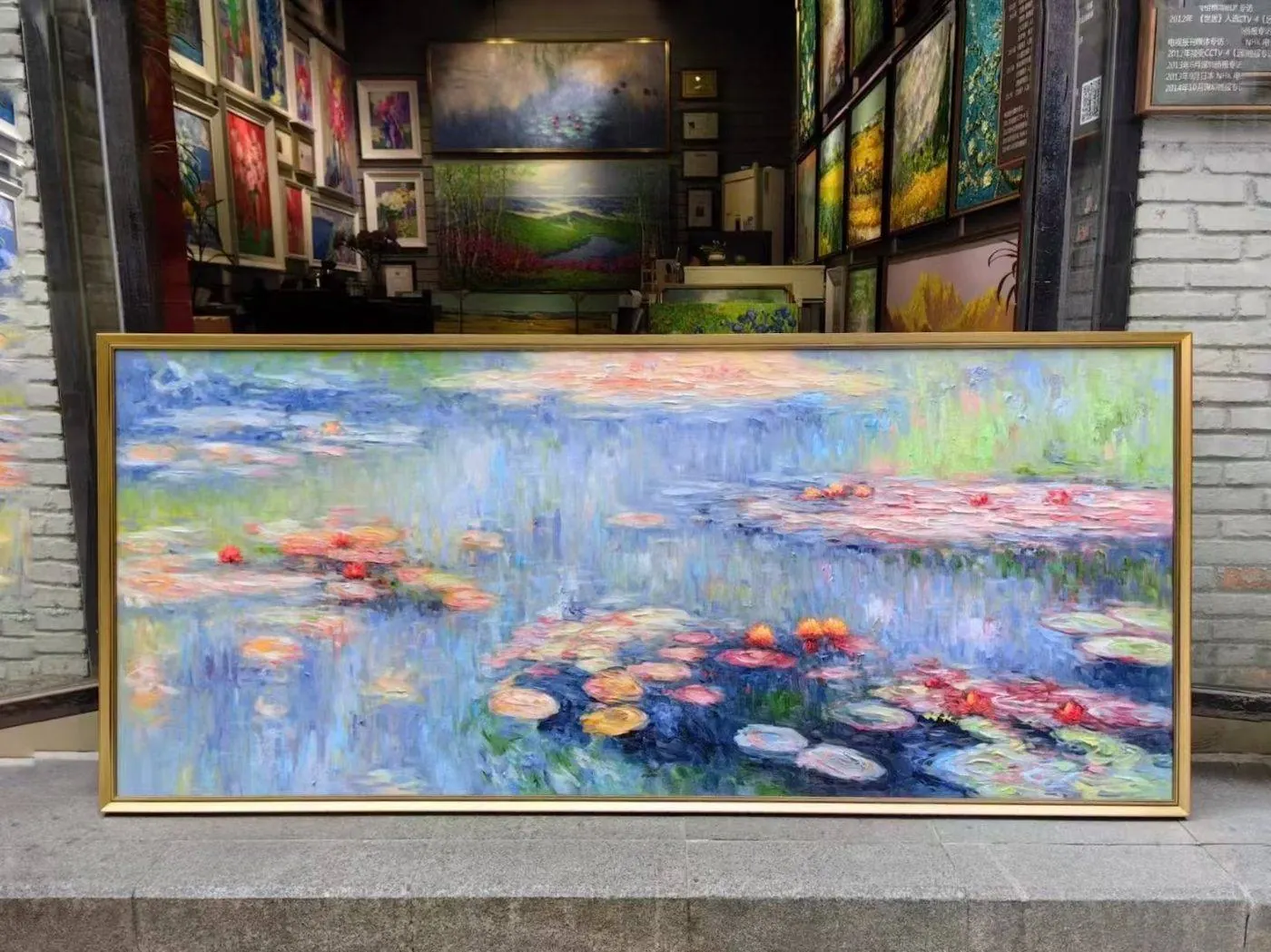
The living room is the safe place to be bold. A warm Impressionist scene — Monet's water lilies, a sunny garden — lifts the whole space and gives guests something to talk about. Above the sofa, span roughly two-thirds of the sofa width. If the room is north-facing and dim, lean toward warmer, lighter canvases so the wall does not go flat.
Bedroom
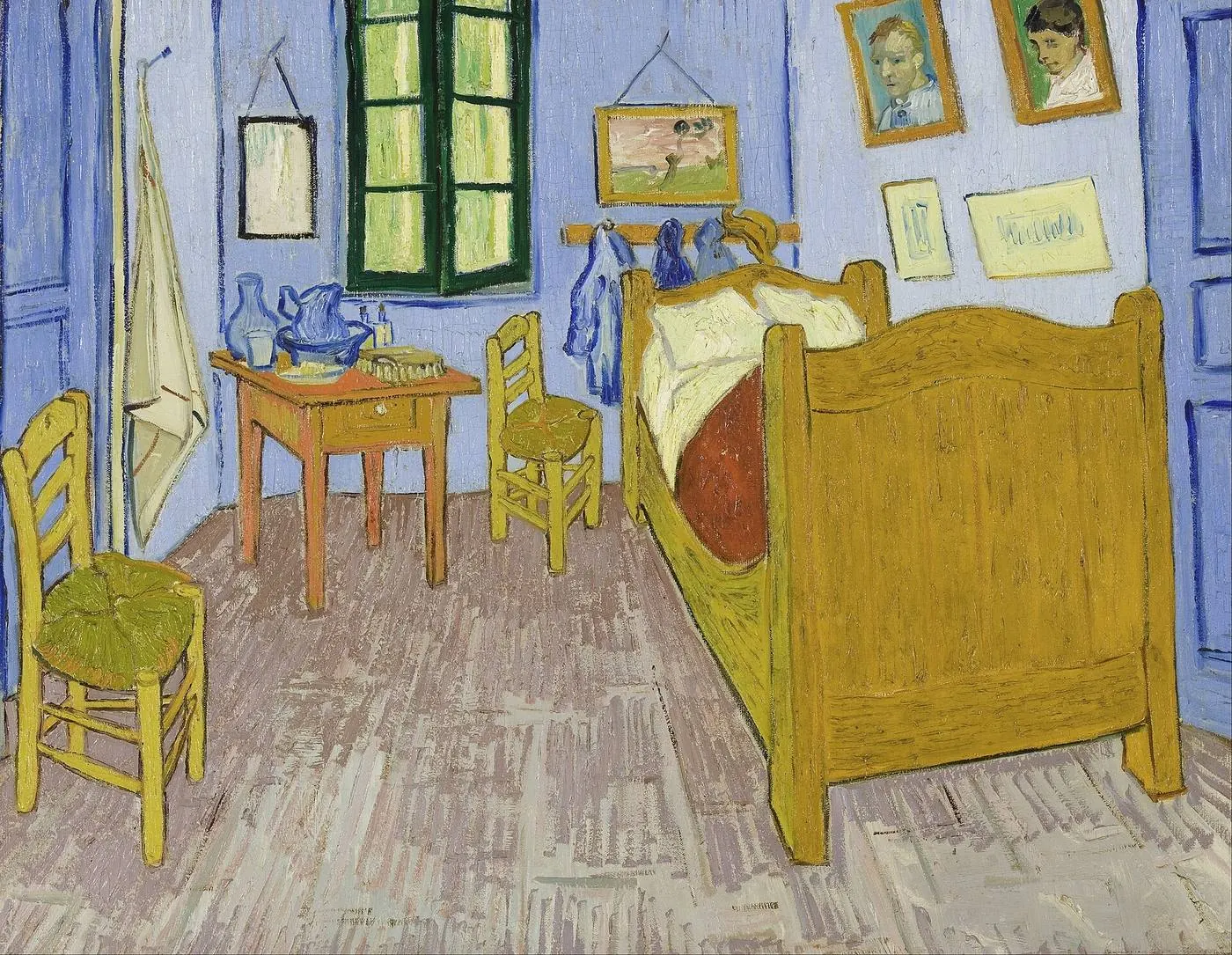
Bedrooms want calm. Soft landscapes, pale gardens, a quiet seascape, or Van Gogh's bedroom interior (a witty, personal choice) all work. Avoid anything high-contrast or aggressive — you are the last thing looking at it before sleep and the first thing in the morning. Keep scale gentle; a pair of smaller canvases above the headboard often reads better than one huge one.
Dining room
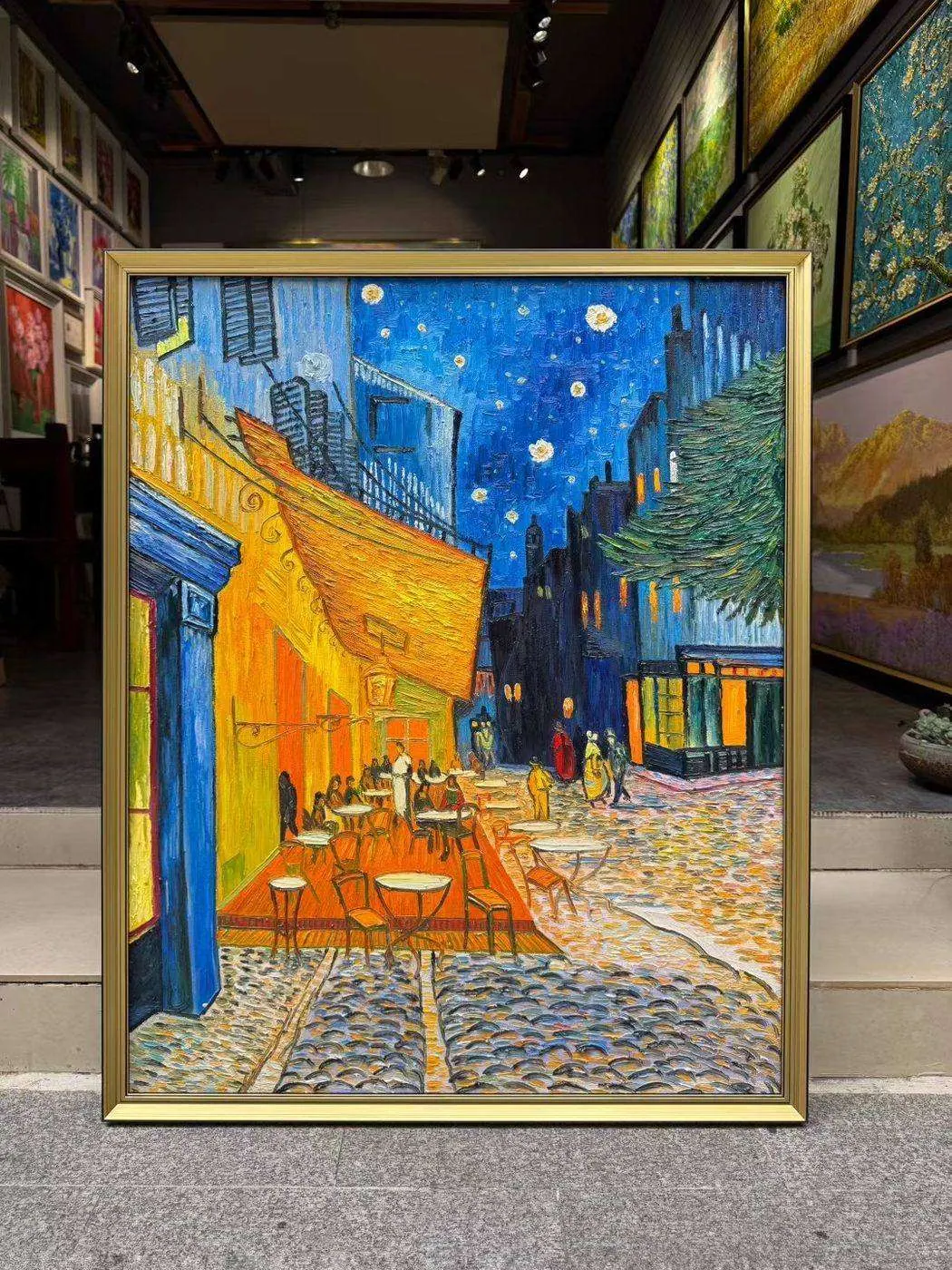
Dining rooms are forgiving and a little theatrical. Still lifes, florals, and warm café or garden scenes set a mood without competing with the food. Van Gogh's café terrace or a Cézanne fruit table both flatter candlelight and lamplight.
Kitchen
Kitchens take a beating of heat and steam, so keep art away from the hob and the sink, and pick subjects that survive a bit of humidity: a still life of fruit or flowers, or a small landscape. Save the irreplaceable original-feel pieces for drier rooms.
Hallway, landing and staircase
These long, narrow spaces are made for a vertical or a sequence. A tall landscape draws the eye upward on a stair; a row of three smaller canvases turns a dead corridor into a mini gallery. Because people pass rather than sit, busier, more detailed scenes read fine here.
Home office or study
You stare at this wall for hours, so pick something that does not fatigue: an abstract, a calm seascape, or a restrained architectural scene. Avoid anything with a lot of red at eye level — it is surprisingly tiring over a long working day.
Bathroom
Possible, but treat it with care. Bathrooms swing between very humid and quite dry; keep the canvas away from direct shower steam and never place it where water can splash. A small, framed piece on the far wall from the shower is the safe play. For any damp room, tell the studio so we can advise on grounds and varnish.
Colour: matching or contrasting your sofa
There are two valid moves, and knowing which one you are making prevents most regrets.
- Match the dominant colour. Pull one hue already in the room — the sofa, the rug, the curtains — and echo it in the painting. This is the calm, designerly choice and almost never looks wrong.
- Contrast with a single accent. A blue painting above a warm beige room, or a warm gold canvas in a cool grey room, gives the wall energy. The trick is to keep the rest of the palette quiet so the one accent can sing.
What to avoid: a painting that introduces a third competing colour family. If the room is blue and beige, a painting that is mainly red and green will fight everything. When in doubt, send the wall photo and we will tell you which of your shortlisted images actually belongs there.
Getting the size right
Scale is the single most common mistake, so it is worth a full table. As a rule of thumb, the painting should be about 60–75% of the width of the furniture beneath it, and its centre should sit roughly 145–155 cm from the floor (eye level) when hung above seating.
| Wall / use | Recommended canvas size | Works well for |
|---|---|---|
| Bedside, desk, narrow hallway | 30 × 40 cm / 12 × 16 in | Small still lifes, quiet landscapes |
| Standard sofa or bed (1.8–2.2 m) | 60 × 80 cm / 24 × 32 in | Impressionist gardens, café scenes |
| Living-room statement wall | 90 × 120 cm / 36 × 48 in | Water lilies, warm marines, abstracts |
| Stairwell, hallway, pair of pieces | 120 × 160 cm / 48 × 63 in or taller | Vertical landscapes, diptych pairs |
Because we paint to order, we can also crop a composition to a taller or wider shape to fit an awkward wall — something a fixed print can never do. If you want the full reasoning, we wrote a separate guide on what size painting to hang above a sofa.
Choosing a frame that fits the room
The frame is half the styling decision. Four options cover almost every interior:
- Gold leaf — traditional and warm; right at home in classic, rustic and formal rooms, and it picks up the light in a dining room or study.
- Matte black — the modern, graphic answer for minimal and industrial spaces.
- Walnut or natural wood — warm and neutral; the safe choice for Scandinavian and country interiors.
- Unframed gallery-wrap — canvas stretched on a deep bar with painted edges, ready to hang with no frame; reads contemporary and keeps the focus on the paint.
We quote the frame together with the painting, so there are no surprises at the end. If you are unsure, tell us the room style and we will recommend. There is a deeper dive in our oil painting frame guide.
Hand-painted vs print for home decor
For a room you live in every day, the difference is not subtle. A print is flat ink on paper or canvas; under raking afternoon light it stays flat. A hand-painted oil has real impasto — the brush and palette-knife marks catch light and throw tiny shadows that shift through the day, which is exactly why a room with an oil painting feels "finished" rather than "decorated." Every canvas we make is 100% hand-painted in oil on artist-grade canvas by studio painters in Dafen Village — no printing, no canvas transfers, no giclée. We sell them honestly as hand-painted reproductions of public-domain masters or as custom works from your photos, never as originals, and with no invented certificate of authenticity. If you want the full checklist for telling them apart, we have a hand-painted vs print guide.
Personal pieces: family, pets, photos
Sometimes the right painting for a room is not a master at all but your own story. A pet portrait in the hallway, a family portrait above the mantel, or a favourite photograph turned into an oil — these are the pieces guests ask about. Because we paint from your image to order, the colour and scale can be tuned to the room rather than the other way around. We have dedicated guides on pet portraits, family portraits, and turning a photo into an oil painting.
Lighting and placement once it arrives
A painting you chose well can still fall flat under the wrong light. A simple picture light or a warm spot, angled from above and in front, brings out the impasto and the colour. Avoid direct, harsh sunlight on the same spot all day — oil paint is stable, but decades of UV through a south-facing window will slowly shift some pigments. In a dim room, a lighter, warmer canvas does more work than a dark one. Hang it at roughly eye level above seating, and step back to the far side of the room to confirm the scale before you commit to the nail holes.
How ordering a custom canvas works
Choosing is the fun part; ordering should be painless. Our process:
- Tell us the painting, size and frame on WhatsApp. Send the wall photo too if you have it. We reply in writing with a firm quote and a timeline you can hold us to.
- a deposit to start — a secure payment link, your choice of method. The deposit reserves your painter's slot and covers materials and studio time already committed.
- Your painter gets to work in Dafen Village, Shenzhen, where our studio has been hand-painting since 2016 with a network of 50+ partner painters. Ground, layers, details, then finishing.
- You approve finished photos. When the work is nearly complete we send photographs of the finished painting. Happy? Pay the balance and we ship. Want something adjusted? Tell us what to adjust and we adjust it.
- Shipping. Packed in acid-free paper, corner protectors and a rigid tube or crate, shipped worldwide by tracked courier (DHL or FedEx). Import duties and taxes in your country are the buyer's responsibility (DAP).
FAQ
How do I choose the right size oil painting for my wall?
Measure the wall and the furniture below it first. As a rule, the canvas should span about 60–75% of the width of the sofa, bed or sideboard beneath it, with its centre around 145–155 cm from the floor. Send us a photo of the wall with rough dimensions on WhatsApp and we will tell you honestly if your shortlisted size is too small or too large before you order.
What type of oil painting suits a modern minimal interior?
Modern and minimal rooms read best with abstraction, monochrome, or a single calm seascape, framed in thin matte black or left as a clean gallery-wrap. Avoid busy, ornate scenes and heavy gold frames, which fight clean lines and glass. A textured blue abstract is a safe, strong choice.
Should the painting match or contrast my sofa and walls?
Both work. Matching repeats a colour already in the room (sofa, rug, curtains) for a calm, designerly feel. Contrasting uses one accent colour — a blue painting in a beige room, a warm gold canvas in a grey room — for energy. Avoid introducing a third competing colour family, which will clash with everything.
Can I use an oil painting in a bedroom or bathroom?
Bedrooms are ideal for calm landscapes, soft gardens or quiet seascapes — avoid high-contrast pieces you will see last thing at night. Bathrooms are possible but keep the canvas away from direct shower steam and splash zones, and tell us so we can advise on grounds and varnish. Never place art where water can reach it.
Are your home decor paintings hand-painted or printed?
100% hand-painted in oil on artist-grade canvas by studio painters in Dafen Village. No printing, no canvas transfers, no giclée. The real brush and palette-knife texture is what makes an oil painting shift with the light through the day, which a flat print cannot do.
Can I order a custom size or a painting from my own photo?
Yes. Because every canvas is painted to order, we can match any size, slightly crop a composition to fit a tall or wide wall, and paint from your own photograph — a pet, a family, a favourite view — tuned in colour and scale to your room. Tell us the image, size and frame and we return an exact quote.
How do I approve the painting and what about import duties?
When the work is nearly finished we send photographs of the finished piece. You approve it, then pay the balance and we ship; if you want changes, tell us and we adjust. Shipping is worldwide by tracked courier, and import duties and taxes in your destination country are the buyer's responsibility (DAP).
Not sure which painting belongs on your wall? Send a photo of the space on WhatsApp and we will tell you the right size, colour and frame — quote back, usually within the hour.
💬 Get a Room-Matching Quote on WhatsApp